


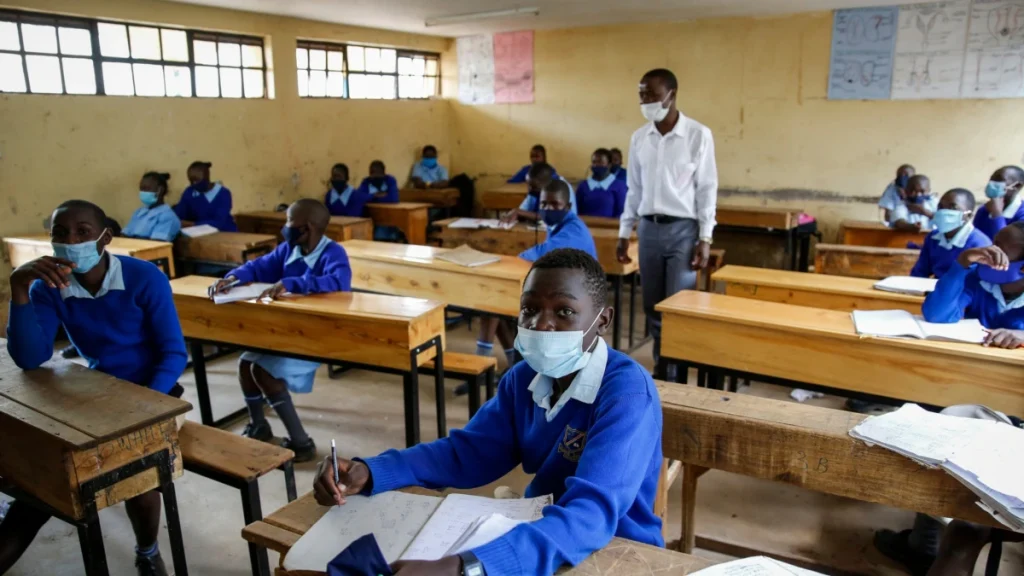
When the COVID-19 pandemic broke out in early 2020, there was a global shutdown of education institutions. Learning at all levels of education in many parts of the world was affected. In Kenya, schools were closed and learners forced to learn remotely from home. The implication of this meant that millions of children from vulnerable families who have limited access to learning materials and resources will bear the biggest brunt of the direct and indirect impacts of the pandemic.
Well, children over the past two years since the epidemic struck have endured difficult times. From interrupted learning, child labor, to underage marriage, lots of young learners have their mental well-being disrupted.
It was a relief to see a return to normalcy of children to again attend schools in 2021. Despite this daring effort by the government to re-open schools, it goes without saying that children must work very hard to adapt to the new Competency-Based Curriculum (CBC) environment. This made things a little bit more challenging.


Furthermore, teachers were not equally prepared and didn’t have the full capacity to teach in the new CBC program given resource inadequacy. As such, learning had a slow take-off due to the learning loss that the children experienced during the pandemic period. Either way, a number of children have still not come back.
ALSO READ: 2 Nairobi Hospitals Latest Beneficiaries of Sportpesa’s Maternal Health Support
The disturbing phenomenon of learning loss occurred when schools were closed. Instead of a child’s education being paused, many learners forgot what they already had learned. The average loss among students regressed significantly, others by more than a year from where it was before the start of school closures.
The loss is seen to be greater in children in lower grades. The most affected children were found to be in poor rural areas. This sadly increased the existing inequalities.
For instance, only 2 in 5 grade 4 learners are meeting or exceeding expectations of reading a grade 3 appropriate English text. It is also worth noting that children born to literate parents were better placed in their performance than their counterparts. In retrospect, children from literate parents solve numeracy problems better than those children from families without formal education.
What this means is that if children lost reading and mathematics skills during school closures, it’s safe to assume that they also lost writing and other skills. This illustrates the learning challenge that learners around the world are now exposed to. A significant number of children also remain out of school. This includes adolescent boys and girls – some of who joined the manual labor sector as girls became pregnant.
Other groups of out-of-school children include children with disabilities and those from poorer families. Approximately 1 in 5 girls with disability dropped out of school due to the COVID-19 crisis.
ALSO READ: Notorious Gang Member Gunned Down by Police
These, alongside many other challenges, are the negative impacts the COVID-19 pandemic has had on the education sector. In 2021, Usawa Agenda conducted a national assessment of literacy and numeracy and will be launching a report entitled – Are Our Children Learning? With the key theme being a Focusing on equity to deliver the promise of education through evidence-informed building back better initiatives, the 2021 Uwezo National Assessment Report will officially launch on February 11, from 8:30 AM.
To be part of the Usawa Agenda’s Uwezo National Assessment Report, please register through this link.