


There is a fundamental difference between Elon Musk and the vast majority of modern CEOs, and once you grasp it, it becomes impossible to ignore. Musk does not lead from abstraction. He does not manage from polished slides, executive summaries, or carefully filtered dashboards. He leads from the work itself. From the floor, the code, the machinery, and the physics. In an era where leadership has been diluted into optics, he represents a return to something uncomfortable but powerful: technical, operational, first-principles leadership.
Most CEOs today operate from what can only be described as an ivory tower. Strategy is mediated through consultants, execution through middle managers, and reality through quarterly decks. Decisions are made several layers removed from the product and even further from the customer. This model is not accidental; it is the natural outcome of corporate bureaucracies designed to protect leadership from friction. Musk rejects this entirely. He inserts himself directly into the hardest problems, not as a symbolic gesture, but as an active participant.
At Tesla and SpaceX, his leadership style is not theoretical. It is physical and temporal. He spends nights on factory floors, sits in engineering reviews deep into the early hours of the morning, and relentlessly interrogates assumptions by asking “why” until only fundamental truths remain. This approach, rooted in first-principles thinking, strips away legacy processes and exposes inefficiencies that PowerPoint strategy can never reveal. It is also exhausting, which is precisely why so few leaders attempt it.


Read Also: Elon Musk’s $1 Trillion Bet: The Moment He Became the Richest Man in Human History
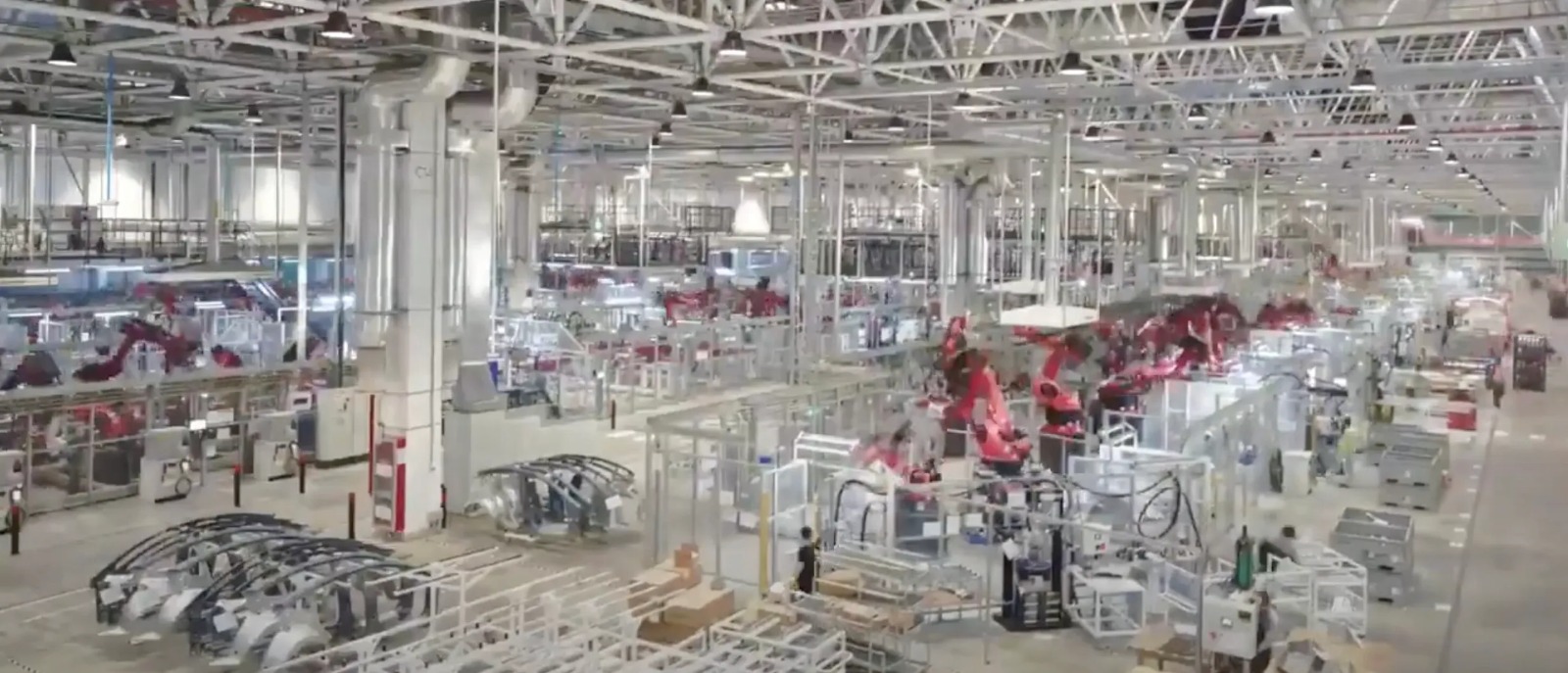

The result is that when Musk speaks about rockets, batteries, AI, autonomy, or manufacturing, he speaks with a depth that cannot be faked. His answers do not sound rehearsed because they are not translations of someone else’s work. They are the byproduct of direct engagement. Compare this with the average CEO interview, where responses are polished, vague, and interchangeable across industries. One is grounded in reality; the other is optimized for perception.
This difference matters profoundly for entrepreneurs. Execution, not ideation, is the rarest and most valuable skill in business. Ideas are abundant. Capital is increasingly abundant. Talent, while competitive, can be recruited. What cannot be outsourced is the ability to convert vision into working systems at scale. Research consistently shows that founder-led companies, particularly where founders remain deeply involved in product and operations, outperform peers over the long term. Markets reward execution because execution compounds.
Tesla is an instructive example. Despite relentless criticism, missed timelines, and public volatility, the company forced an entire global automotive industry to accelerate its transition to electric vehicles. Legacy manufacturers with larger balance sheets, deeper supply chains, and decades of experience failed to respond quickly because their leadership structures were optimized for risk avoidance, not rapid execution. Musk’s willingness to be in the trenches allowed Tesla to move faster than institutions designed to move slowly.
The same pattern is visible at SpaceX. By vertically integrating engineering decisions and compressing feedback loops between leadership and technical teams, the company dramatically reduced launch costs and increased iteration speed. This was not achieved through superior presentations or committee approvals, but through obsessive involvement in the work itself. It is difficult to overstate how disruptive this model is to industries built on hierarchical distance.


Critics often focus on the chaos. They point to burnout, intensity, and the high demands placed on teams. These critiques are not without merit. However, they miss a critical counterpoint: the market for exceptional talent behaves differently. The best engineers, builders, and problem-solvers are not motivated primarily by comfort. They are motivated by impact, learning velocity, and proximity to consequential work. Many actively choose difficult environments if it means building something that matters alongside leadership that understands the work.
From an investor’s perspective, this is not a personality trait; it is a risk-management strategy. When the CEO understands the product better than anyone else in the room, execution risk decreases. Decisions are faster, trade-offs are clearer, and accountability is direct. You are not betting on narratives; you are betting on operational competence. History repeatedly shows that in moments of crisis, companies led by deeply technical, hands-on leaders adapt faster than those governed by abstraction.
For entrepreneurs, the implication is uncomfortable but unavoidable. You cannot outsource understanding. You cannot delegate your way to excellence. If you do not know your product, your process, your constraints, and your failure points better than anyone else, you are already vulnerable. The future does not belong to charismatic presenters; it belongs to leaders who can descend into complexity and emerge with clarity.
As technology accelerates and industries converge, this style of leadership will become more necessary, not less. AI, advanced manufacturing, energy systems, and logistics are unforgiving domains. They punish shallow understanding and reward first-principles thinking. Entrepreneurs who attempt to lead these domains from a distance will be replaced by those willing to engage directly with reality.
This is why Musk inspires such polarized reactions. He is not merely a CEO; he is a repudiation of how leadership has been sanitized. He is in the fight every single day, building alongside his teams, absorbing pressure, and translating vision into execution. This is rare, and rarity is precisely what creates outsized outcomes.
For entrepreneurs willing to learn the lesson, the message is clear. Step out of the tower. Get into the work. Know your product at a molecular level. Because in the end, execution is the only defensible advantage, and leaders who refuse to touch reality will not survive the future they claim to be building.