


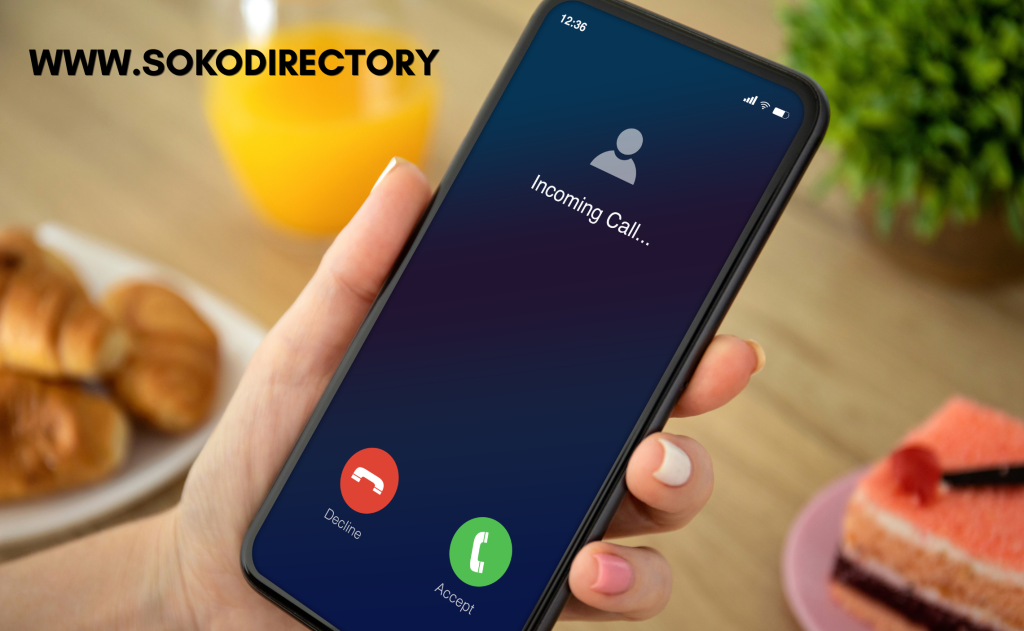
Every week, thousands of Kenyans receive a call that sounds official, urgent, and alarming: “This is Safaricom Customer Care. Your line is about to be deactivated” or “Your M-PESA account has been compromised, please confirm your PIN.” For a country where mobile money is the backbone of daily commerce, these calls are not just an annoyance; they are one of the most effective fraud vectors in East Africa. As an observer of Kenya’s digital economy, I believe the single biggest vulnerability we face isn’t weak technology, but weak verification habits. Fraudsters don’t need to hack Safaricom’s systems; they only need to convince you to hand over the keys yourself.
Why These Scams Work
Impersonation scams thrive on three ingredients: urgency, authority, and familiarity. A caller who sounds calm, uses correct terminology, and creates a ticking clock (“act now or lose your line”) short-circuits the instinct to pause and verify. Add spoofed caller IDs that display “Safaricom” or a number resembling an official line, and even cautious people can be caught off guard.


Myth vs. Fact
Myth: “Safaricom calls customers to verify their PIN for security reasons.” Fact: Safaricom Customer Care will never ask you to state, type, or confirm your M-PESA PIN, PUK code, or one-time password (OTP) over the phone, via SMS, or through any messaging app. These credentials are meant for your eyes only.
Myth: “If the number looks like a Safaricom shortcode or official number, it must be genuine.” Fact: Caller ID spoofing is trivial with modern software. A convincing display name or number is not proof of legitimacy — it’s often the opening move of a scam.
Myth: “Customer care sometimes needs remote access to my phone to ‘fix’ an issue.” Fact: Genuine Safaricom support does not install remote-access apps (like AnyDesk or TeamViewer) on your device. This request is a near-certain sign of fraud, as it gives criminals direct control of your phone and mobile money.
Myth: “If I don’t respond immediately, my line or account will be blocked.” Fact: Legitimate account or SIM issues are communicated through official channels — the Safaricom app, verified SMS from short codes, or in-person visits to a Safaricom shop — and rarely require instant, high-pressure action over a phone call.
Myth: “Winning a promotion means I just need to pay a small ‘processing fee’ via M-PESA.” Fact: Real Safaricom promotions never require you to send money to claim a prize. Any request for upfront payment to “release” winnings is a scam.
What Real Safaricom Customer Care Will Never Ask For
To make this concrete, genuine agents will never ask you to:
- Reveal your M-PESA PIN, PUK, or OTP, in whole or in part
- Send money to “verify,” “activate,” or “unlock” your line or wallet
- Install remote desktop or screen-sharing software
- Read out a verification code you just received by SMS
- Provide your full ID number and PIN together over a call you did not initiate
If a caller asks for any of these, the conversation is over — hang up.
Practical Steps to Protect Yourself
- Hang up and call back using the official number printed on your SIM packaging or Safaricom’s verified website — never the number that called you.
- Never share OTPs, even with someone who already knows your name, ID number, or recent transaction details; scammers often gather this information beforehand.
- *Use the Safaricom app or 234#to check account status directly rather than trusting a caller’s claims.
- Report suspicious numbers to Safaricom via their official social media handles or by dialing 100 (from a Safaricom line) or 0722002100.
- Educate family members, especially older relatives, who are often specifically targeted.
Fraud prevention in the mobile money era isn’t about distrust — it’s about disciplined verification. Safaricom, like any legitimate institution, has nothing to gain by pressuring you for secret credentials over an unsolicited call. The moment urgency and secrecy enter a conversation about your money, that is precisely the moment to slow down, hang up, and verify independently. In a country where a single OTP can drain a lifetime of savings, that pause is the cheapest insurance you’ll ever buy.
Read Also: Africa’s Most Downloaded Finance Apps in 2026: Why M-Pesa’s Rise Matters More Than the Rankings