


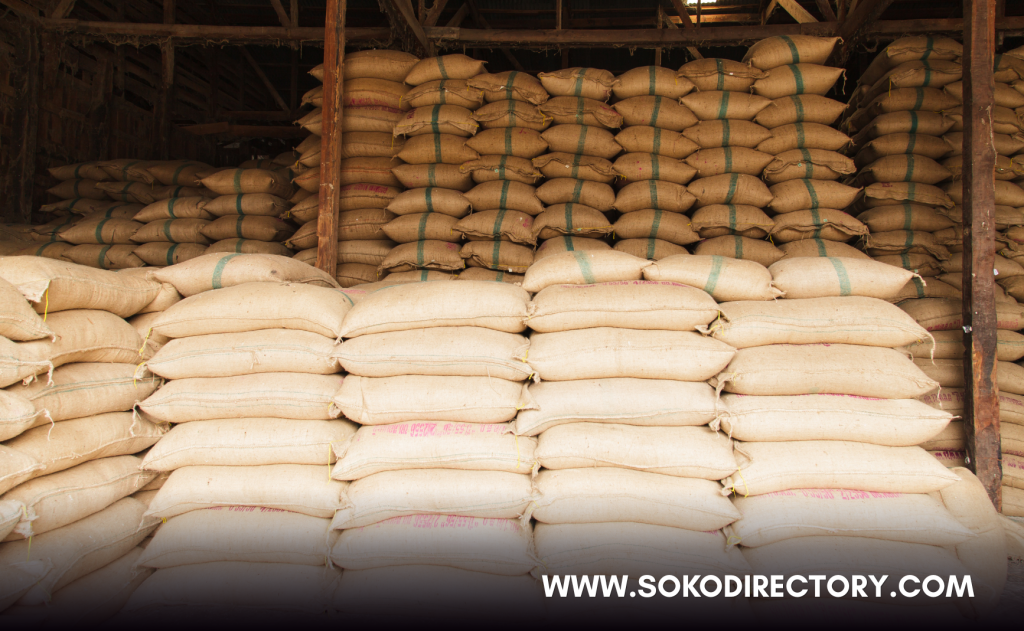
Kenya will import 25 million 90-kilogram bags of maize in a bid to close a widening food deficit, Agriculture Cabinet Secretary Mutahi Kagwe has announced, moving to calm fears of a looming shortage.
Kagwe said the government has already begun making arrangements for the shipments and sought to reassure the public that supplies would remain steady in the coming months.
“We will import maize. We have already made arrangements for that. We will manage the country. The country is not going to go hungry,” he said.


Kenya’s annual maize consumption stands at roughly 75 million bags. Still, poor harvests across several key growing regions are projected to leave the country short by close to 25 million bags this year.
The shortfall has been attributed largely to erratic weather patterns that disrupted the 2026 planting season. Rains came earlier than farmers had anticipated, only for a long dry spell to set in just as crops were entering critical growth stages, a combination that hit yields hard in the country’s major maize belts.
This is not the first import plan Kagwe has unveiled in recent weeks; about a week earlier, he had announced that the government would bring in one million bags to top up the country’s strategic grain reserves, warning at the time that the deficit could swell to 5.4 million bags by the end of September and put upward pressure on maize prices.
The latest, much larger figure suggests the situation has proven more severe than initially projected.
Kagwe described the fresh imports as a stopgap measure, insisting that the government’s longer-term focus remains on reducing Kenya’s dependence on rain-fed farming.
Central to that plan is the expansion of irrigation infrastructure, including the Galana Kulalu irrigation scheme, which officials hope will cushion farmers against future droughts and boost overall output.
He also pointed to ongoing talks with the National Treasury aimed at easing the tax burden and regulatory hurdles that have long frustrated farmers and agribusinesses, saying the goal is to make the sector more profitable and competitive.
Beyond the immediate crisis response, the Ministry of Agriculture says it is pushing a broader productivity agenda, one built around value addition, agribusiness-driven job creation, and the adoption of digital tools and artificial intelligence in farming.
In a related move, the ministry has kicked off public consultations on the AgriConnect Compact Programme, an initiative billed as a way to open up employment opportunities for young Kenyans while nudging the agriculture sector toward more modern, technology-driven practices.
Read Also: Maize Shortage Pushes Flour Prices To Ksh163 As Kenya Plans Imports