
Self regulate with minimum interference from us, Govt to retailers
The Kenyan retail sector is undergoing a major transformation as a result of dynamic conditions that has already threatened establishments of major players in the market.
The sector has been projected to grow at between 10-20 percent y.oy over the next two to five years leading up to doubling in revenues. However, this will will be clearly differentiated according to product offerings.
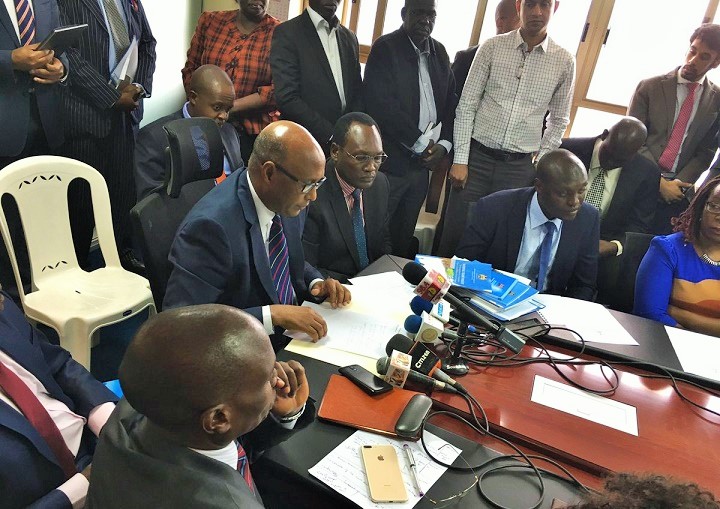
However, the government during a retail and wholesale stakeholders meeting expressed concern over inefficient laws and regulations which continue to hamper the growth of the sector which contributes Ksh 500 Billion annually to the GDP and employs close to 800 people.
Trade Cabinet secretary Adan Mohammed said the challenges facing the sector are a result of inconsistent laws.
“But stakeholders are in agreement to work together and draft rules, regulations and guidance on self-regulation where government will have minimum interference,” said Mohammed.
“It is an important sector for us on many fronts and we want to make sure that anything that undermines the development and growth of this sector is addressed,” he stated.
Currently, Uchumi and Nakumatt are facing cash problems.
“We have realized the kind of laws we have are not competent enough to handle the dynamics of the sector which have come on board. The stakeholders will also come up with regulations specifically to deal with abuse of buyer power which may be happening within the sector, also regulation of the relationship between the supplier and the retailer,” said the Competition Authority of Kenya Director General Wang’ombe Kariuki.
The ministry plans to establish a Fair Trading office to streamline the operations in the sector.
“The office will be operational early next year working closely with the office of Competition Authority of Kenya (CAK) in a bid to eradicate monopoly and unfair trading practices by enacting relevant laws,” he said.
The Trade ministry is also refining draft regulations which proposes that retailers face closer scrutiny to protect suppliers from exploitation.
This is as a result of late payment which was cited by the Suppliers association as a key factor to closure of businesses, uncompetitive products due to high finance costs associated with borrowing as they await to be paid, loss of goodwill with other players in the supply chain who the Suppliers are not able to be due to cash flow constraints associated with later payments.

About Soko Directory Team
Soko Directory is a Financial and Markets digital portal that tracks brands, listed firms on the NSE, SMEs and trend setters in the markets eco-system.Find us on Facebook: facebook.com/SokoDirectory and on Twitter: twitter.com/SokoDirectory

Trending Stories
Entrepreneur's Corner
Safaricom Introduces Fuliza Ya Pochi, Enabling Over One Million Micro-Merchants to Grow Through Access to Credit
Soko Directory Team
Investment
Ethiopian PM Abiy Ahmed Praises Safaricom as M-PESA Customer Base Hits 5.2 Million
Soko Directory Team
Technology
Safaricom And TECNO Partner to Expand Access to 5G Smartphones in Kenya
Soko Directory Team
Entrepreneur's Corner
Marketplace Africa explores Safaricom’s growth and the future of M-PESA
Soko Directory Team