
Shared infrastructure: The future of telecommunication partnership or pinning down Safaricom?

Early this year, the Communication Authority of Kenya gave a go-ahead to Analysys Mason to look into Kenya’s telecommunications sector with the view of establishing whether there was a fair competition among the players. Something I found rudimentary and repugnant to the sense of capitalism and fair competition because the strategies and methods of one brand were being used against it because of its success but we are a country that hates to think beyond our stomachs.
A lot has been said about the report. Some have given their opinions after reading it while some have given their opinions after hearing from others who purport to have read the report. The truth is the report has some important insights that can help, not only the industry players but consumers too in gauging the state of the telecommunication in Kenya. Unfortunately, we are a country that hates to read too. So we hoping this can be able to break it down for you.
In the report, there is a proposal for telecommunication companies in the country to share infrastructure. According to the report, one of the key impediments to a thriving competitive telecommunications industry in Kenya pertains to infrastructure. The Mason report specifically and correctly points out the towers that each telecommunication firm in Kenya owns or needs to invest in order to reach their intended consumers.

From the report, it clearly came out that a vast majority of the towers and base stations countrywide are part of the investments made by Safaricom PLC. To cure this problem, the report proposes a policy change to require the sharing of infrastructure in seven counties that the Mason Report noted that they are the most disadvantaged in terms of connectivity as well as network connectivity.
However, this casts doubts on the growth strategies of other brands in the sector and looks as if they want to blame their weaknesses and failures on the successes of another. This beats the essence of what true business competition is, but we digress.
The counties that the report suggests that the telecommunications companies should share facilities are:
- Garissa
- Turkana
- Marsabit
- Mandera
- Wajir
- Samburu and
- Isiolo
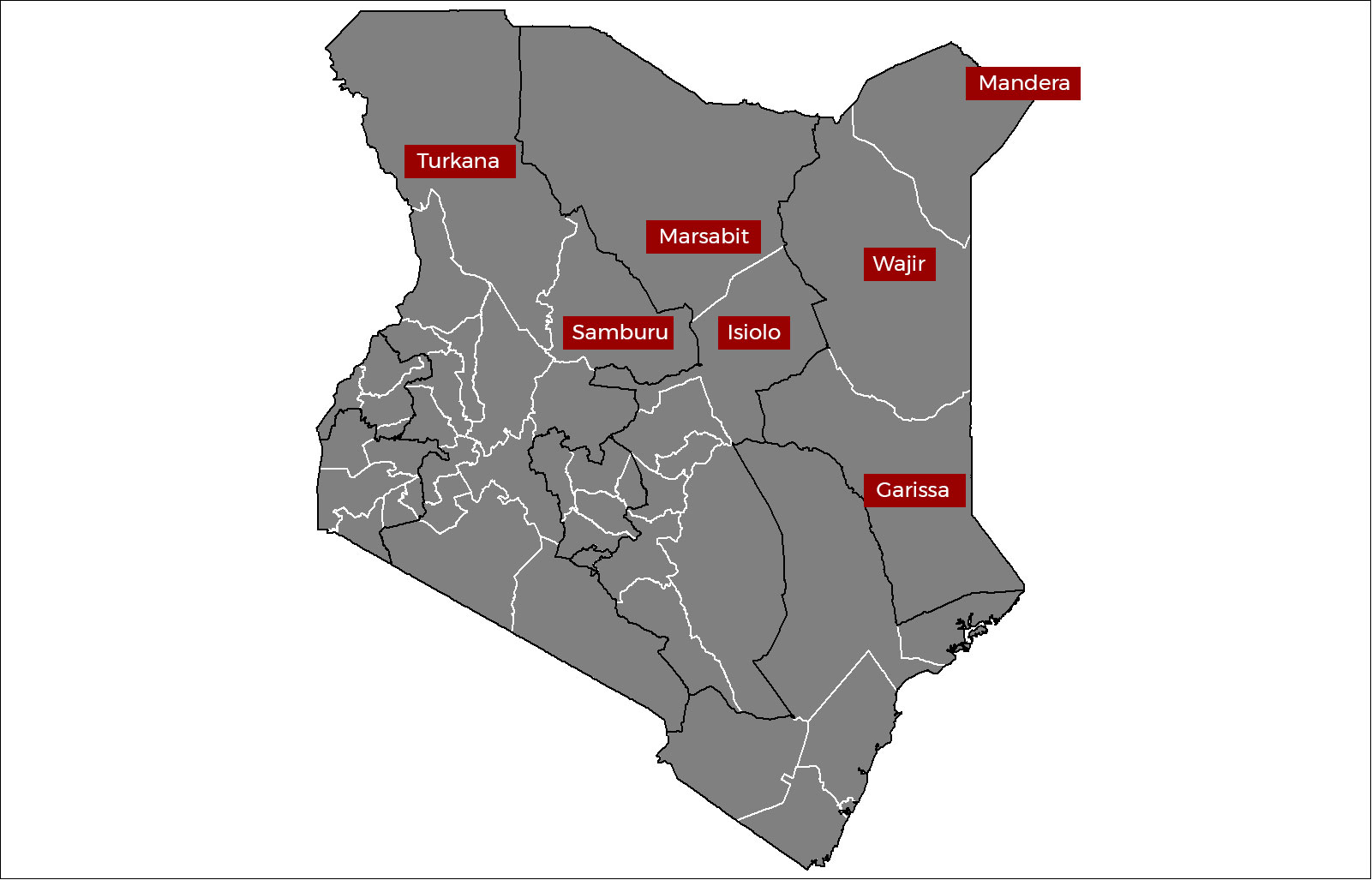
According to the report, the consumers from these seven counties are often disadvantaged in terms of inadequate access to telecommunication services. The bone of the contention arises when the report suggests that Safaricom PLC should be compelled to lease its facilities to willing competitors for a fee to be determined by the Communications Authority. Now, this is part of the report that makes sense. Other brands should lease at market rates. That would be fair. No?
Despite the fact that the report may have good intentions by proposing the sharing of infrastructure with the goal of helping people in the said counties have access to telecommunications services, the implementation of the same might prove to be unfair for some players in the sector.
The report correctly and specifically points out that Safaricom PLC has more advanced infrastructure than any other players. It is indeed true that Safaricom PLC has more advanced infrastructure than the other telecommunications players. This is due to sustainable growth plans and strategies and products and services that are appealing to the target market. The report also fails to acknowledge the fact that Safaricom PLC has made some huge investments in innovation and technology just to have better infrastructure. Safaricom is said to have used over 50 billion shillings in investing in infrastructure alone.
Forcing Safaricom to lease out some of its infrastructures, at the price not determined by Safaricom itself or market forces but the Communication Authority is set to disadvantage Safaricom.
Some of the questions that the report ought to have asked or addressed were such as: How much has Safaricom invested in its infrastructure? How much has Safaricom invested in research and invention? Why haven’t other market players invested in infrastructure? Is Safaricom willing to lease out its infrastructure to its competitors? If s