
UN Passes Historic Resolution Banning Witchcraft Atrocities Globally
KEY POINTS
The UN Special Resolution is an important step in helping to stop the, often horrific, human rights abuses that take place due to beliefs in witchcraft around the world.
After years of activism by a team of scholars, the United Nations has passed a historic resolution calling for the end of witchcraft crimes across the globe.
Every year, there are thousands of cases of people accused of witchcraft globally who are mutilated or killed for witchcraft-related rituals, according to academics from Lancaster University in the U.K. who were part of the team that ensured the issue was heard at the UN.
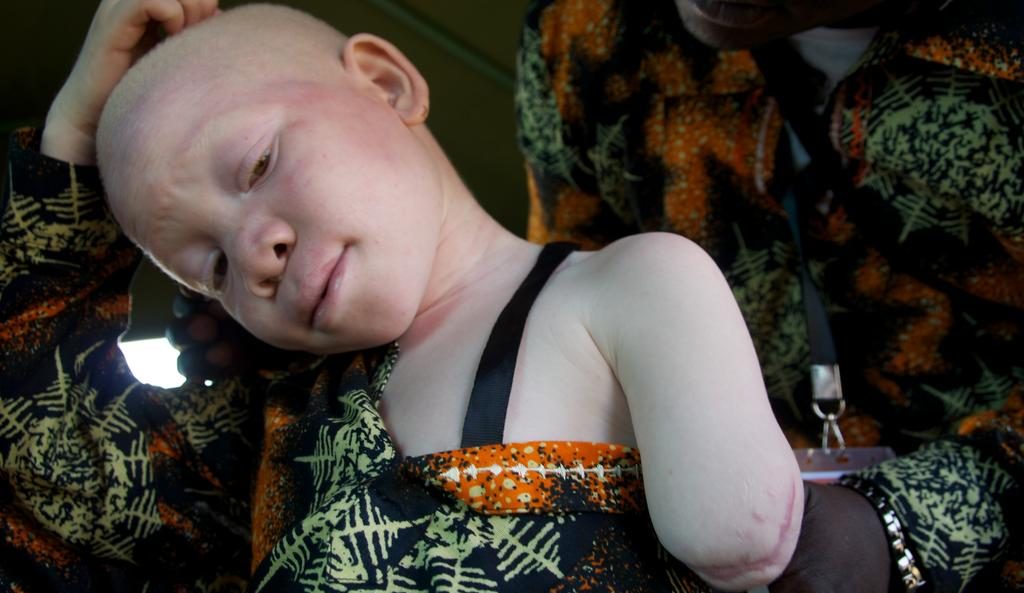
Women, children, seniors, and people with disabilities, including albinism, are, particularly at risk.

In the last decade, the academics said there have been more than 700 attacks on people with albinism – a genetic disorder that impairs the body’s ability to create the pigment melanin and results in very light skin, hair, and eyes.
According to the Office of the United Nations High Commissioner for Human Rights (OHCHR), some believe that people with albinism are “magical beings or ghosts,” so they will mutilate or even kill them to use their body parts for witchcraft rituals.
ALSO READ: Albinism: “Cost cannot be an excuse when fighting violence and discrimination” – New UN report
In certain African countries, trade in body parts of people with albinism is “big business,” according to the researchers, who said the “going rate” for a full set of body parts is 75,000 pounds (C$130,200).
“The violence is largely met by social silence and indifference and is seldom followed by investigations or the prosecution of perpetrators,” the OHCHR explains on its website. “While some investigation and prosecution seem to take place, sentencing appears to be rare. Victims face significant difficulties in bringing their cases to justice, fearing retaliatory attacks or further stigmatization.”
Professor Charlotte Baker of Lancaster University, who has published widely on albinism in Africa, together with UN Independent Expert on Albinism Ikponwosa Ero, international human rights barrister Kirsty Brimelow and Lancaster University honorary graduate and human rights advocate Gary Foxcroft, have worked as part of a wider team to bring about the UN resolution.
Their efforts were rewarded in late August when the resolution was passed without a vote after it was tabled at the UN Human Rights Council by Kenya, with the support of the Africa group, composed of 54 member states from the African continent.
It’s the first time the issues of witchcraft and human rights have been brought together in a systematic and in-depth manner at the UN and international level, according to Lancaster University.
“The UN Special Resolution is an important step in helping to stop the, often horrific, human rights abuses that take place due to beliefs in witchcraft around the world,” Foxcraft said in a press release on Wednesday.
“We needed as many governments as possible to support this Resolution and believe that our work inspired the action needed to do so.”
Ero acknowledged that the resolution wasn’t a “magic bullet,” and that more work is needed to be done to address the problem.
“But this one is a key turning point for all of us working to ensure human rights protection in this complex sphere of spiritual beliefs and practices. The resolution will also spur the work to combat the horrendous violence which characterize these types of harmful practices and which, for too long, have destroyed and taken too many lives.”

About Soko Directory Team
Soko Directory is a Financial and Markets digital portal that tracks brands, listed firms on the NSE, SMEs and trend setters in the markets eco-system.Find us on Facebook: facebook.com/SokoDirectory and on Twitter: twitter.com/SokoDirectory

- January 2026 (220)
- February 2026 (248)
- March 2026 (287)
- April 2026 (207)
- May 2026 (192)
- June 2026 (238)
- July 2026 (279)
- August 2026 (224)
- September 2026 (34)
- January 2025 (119)
- February 2025 (191)
- March 2025 (212)
- April 2025 (193)
- May 2025 (161)
- June 2025 (157)
- July 2025 (227)
- August 2025 (211)
- September 2025 (267)
- October 2025 (297)
- November 2025 (230)
- December 2025 (220)
- January 2024 (238)
- February 2024 (227)
- March 2024 (190)
- April 2024 (133)
- May 2024 (157)
- June 2024 (145)
- July 2024 (136)
- August 2024 (154)
- September 2024 (212)
- October 2024 (255)
- November 2024 (196)
- December 2024 (143)
- January 2023 (182)
- February 2023 (203)
- March 2023 (322)
- April 2023 (297)
- May 2023 (267)
- June 2023 (214)
- July 2023 (212)
- August 2023 (257)
- September 2023 (237)
- October 2023 (264)
- November 2023 (286)
- December 2023 (177)
- January 2022 (293)
- February 2022 (329)
- March 2022 (358)
- April 2022 (292)
- May 2022 (271)
- June 2022 (232)
- July 2022 (278)
- August 2022 (253)
- September 2022 (246)
- October 2022 (196)
- November 2022 (232)
- December 2022 (167)
- January 2021 (182)
- February 2021 (227)
- March 2021 (325)
- April 2021 (259)
- May 2021 (285)
- June 2021 (272)
- July 2021 (277)
- August 2021 (232)
- September 2021 (271)
- October 2021 (303)
- November 2021 (364)
- December 2021 (249)
- January 2020 (272)
- February 2020 (310)
- March 2020 (390)
- April 2020 (321)
- May 2020 (335)
- June 2020 (327)
- July 2020 (333)
- August 2020 (276)
- September 2020 (214)
- October 2020 (233)
- November 2020 (242)
- December 2020 (187)
- January 2019 (251)
- February 2019 (215)
- March 2019 (283)
- April 2019 (254)
- May 2019 (269)
- June 2019 (249)
- July 2019 (335)
- August 2019 (292)
- September 2019 (306)
- October 2019 (313)
- November 2019 (362)
- December 2019 (318)
- January 2018 (291)
- February 2018 (213)
- March 2018 (275)
- April 2018 (223)
- May 2018 (235)
- June 2018 (176)
- July 2018 (256)
- August 2018 (247)
- September 2018 (255)
- October 2018 (282)
- November 2018 (282)
- December 2018 (184)
- January 2017 (183)
- February 2017 (194)
- March 2017 (207)
- April 2017 (104)
- May 2017 (169)
- June 2017 (205)
- July 2017 (189)
- August 2017 (195)
- September 2017 (186)
- October 2017 (235)
- November 2017 (253)
- December 2017 (266)
- January 2016 (164)
- February 2016 (165)
- March 2016 (189)
- April 2016 (143)
- May 2016 (245)
- June 2016 (182)
- July 2016 (271)
- August 2016 (247)
- September 2016 (233)
- October 2016 (191)
- November 2016 (243)
- December 2016 (153)
- January 2015 (1)
- February 2015 (4)
- March 2015 (164)
- April 2015 (107)
- May 2015 (116)
- June 2015 (119)
- July 2015 (145)
- August 2015 (157)
- September 2015 (186)
- October 2015 (169)
- November 2015 (173)
- December 2015 (205)
- March 2014 (2)
- March 2013 (10)
- June 2013 (1)
- March 2012 (7)
- April 2012 (15)
- May 2012 (1)
- July 2012 (1)
- August 2012 (4)
- October 2012 (2)
- November 2012 (2)
- December 2012 (1)