
TechnoServe Targets Oils, Rice, With New Fortification Program
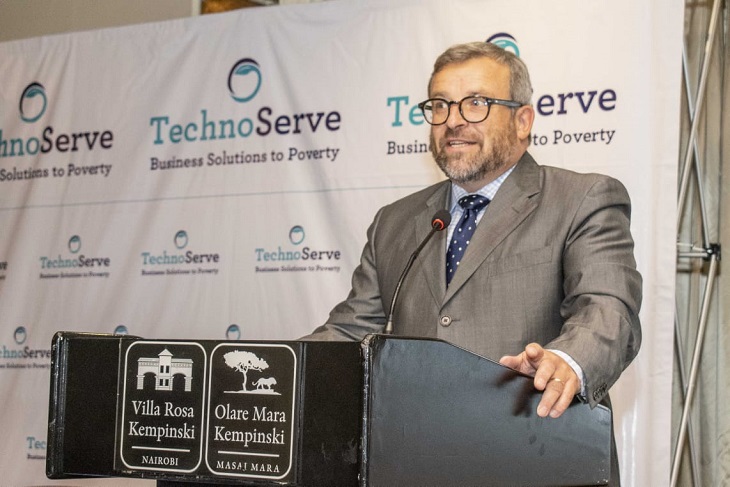
The non-profit international development organization TechnoServe has today officially launched a program that aims to widen the variety of fortified foods, ensuring Kenyan consumers continue to have access to nutritious meals.
TechnoServe, with the support of a grant from the Bill and Melinda Gates Foundation, has launched the Technical Assistance Accelerator Program (TAAP) which aims at increasing the level and variety of fortified foods by working with stakeholders to increase compliance.
TAPP will provide technical assistance and advocate for high-quality inputs to, among others, large and small-scale millers; actions are aimed at motivating these stakeholders to comply with national fortification regulations.

TechnoServe (Dominic Schofield) said that TAAP comes at a time when supply chain disruptions and high food prices are changing consumption habits and therefore making it necessary to align fortification efforts to ensure access to nutrition by the consumers.
“The COVID-19 pandemic and the Russia-Ukraine conflict have disrupted supply chains, upending the global trade of agricultural goods, while three consecutive years of drought in East Africa has resulted in growing levels of food scarcity and hunger. Mounting increases in the price of food staples have also forced households to alter their diets, likely impacting their consumption of essential nutrients. The prospect of lower calorie intakes increases the importance of fortifying staple foods such as maize flour, rice, and edible oil,” said (Dominic Schofield)
TAAP also comes on the success of the Strengthening African Processors on Fortified Foods (SAPFF) program launched in 2017 which worked towards to increasing food fortification compliance levels in two staples in Kenya- wheat and Maize flour.
TAAP will work with various stakeholders including the Ministry of Health, the Kenya Bureau of Standards (KEBS), Cereal Millers Association (CMA), Kenya Association of Manufacturers (KAM), United Grain Millers Association (UGMA), leading oil processors, flour and rice milling companies, premix suppliers, development partners, and academic institutions.
Food fortification has been widely identified as a cost-effective strategy for addressing micronutrient malnutrition at scale.
In Kenya, more than one in four children under the age of five is stunted, with poor nutrition a prime factor in nearly a third of deaths of children under five. Malnutrition also contributes to poor growth and physiological deficiencies in children, birth defects, high rates of disability and illness, and overall lower productivity, which can reduce countries’ GDPs
Related Content: Food Fortification Shouldn’t Be A Gamble, But A Moral Right

About Soko Directory Team
Soko Directory is a Financial and Markets digital portal that tracks brands, listed firms on the NSE, SMEs and trend setters in the markets eco-system.Find us on Facebook: facebook.com/SokoDirectory and on Twitter: twitter.com/SokoDirectory

- January 2026 (220)
- February 2026 (248)
- March 2026 (287)
- April 2026 (207)
- May 2026 (192)
- June 2026 (238)
- July 2026 (279)
- August 2026 (190)
- January 2025 (119)
- February 2025 (191)
- March 2025 (212)
- April 2025 (193)
- May 2025 (161)
- June 2025 (157)
- July 2025 (227)
- August 2025 (211)
- September 2025 (267)
- October 2025 (297)
- November 2025 (230)
- December 2025 (220)
- January 2024 (238)
- February 2024 (227)
- March 2024 (190)
- April 2024 (133)
- May 2024 (157)
- June 2024 (145)
- July 2024 (136)
- August 2024 (154)
- September 2024 (212)
- October 2024 (255)
- November 2024 (196)
- December 2024 (143)
- January 2023 (182)
- February 2023 (203)
- March 2023 (322)
- April 2023 (297)
- May 2023 (267)
- June 2023 (214)
- July 2023 (212)
- August 2023 (257)
- September 2023 (237)
- October 2023 (264)
- November 2023 (286)
- December 2023 (177)
- January 2022 (293)
- February 2022 (329)
- March 2022 (358)
- April 2022 (292)
- May 2022 (271)
- June 2022 (232)
- July 2022 (278)
- August 2022 (253)
- September 2022 (246)
- October 2022 (196)
- November 2022 (232)
- December 2022 (167)
- January 2021 (182)
- February 2021 (227)
- March 2021 (325)
- April 2021 (259)
- May 2021 (285)
- June 2021 (272)
- July 2021 (277)
- August 2021 (232)
- September 2021 (271)
- October 2021 (303)
- November 2021 (364)
- December 2021 (249)
- January 2020 (272)
- February 2020 (310)
- March 2020 (390)
- April 2020 (321)
- May 2020 (335)
- June 2020 (327)
- July 2020 (333)
- August 2020 (276)
- September 2020 (214)
- October 2020 (233)
- November 2020 (242)
- December 2020 (187)
- January 2019 (251)
- February 2019 (215)
- March 2019 (283)
- April 2019 (254)
- May 2019 (269)
- June 2019 (249)
- July 2019 (335)
- August 2019 (292)
- September 2019 (306)
- October 2019 (313)
- November 2019 (362)
- December 2019 (318)
- January 2018 (291)
- February 2018 (213)
- March 2018 (275)
- April 2018 (223)
- May 2018 (235)
- June 2018 (176)
- July 2018 (256)
- August 2018 (247)
- September 2018 (255)
- October 2018 (282)
- November 2018 (282)
- December 2018 (184)
- January 2017 (183)
- February 2017 (194)
- March 2017 (207)
- April 2017 (104)
- May 2017 (169)
- June 2017 (205)
- July 2017 (189)
- August 2017 (195)
- September 2017 (186)
- October 2017 (235)
- November 2017 (253)
- December 2017 (266)
- January 2016 (164)
- February 2016 (165)
- March 2016 (189)
- April 2016 (143)
- May 2016 (245)
- June 2016 (182)
- July 2016 (271)
- August 2016 (247)
- September 2016 (233)
- October 2016 (191)
- November 2016 (243)
- December 2016 (153)
- January 2015 (1)
- February 2015 (4)
- March 2015 (164)
- April 2015 (107)
- May 2015 (116)
- June 2015 (119)
- July 2015 (145)
- August 2015 (157)
- September 2015 (186)
- October 2015 (169)
- November 2015 (173)
- December 2015 (205)
- March 2014 (2)
- March 2013 (10)
- June 2013 (1)
- March 2012 (7)
- April 2012 (15)
- May 2012 (1)
- July 2012 (1)
- August 2012 (4)
- October 2012 (2)
- November 2012 (2)
- December 2012 (1)