
The Cruel University of Poverty: Why Being Poor Shows You Life Naked
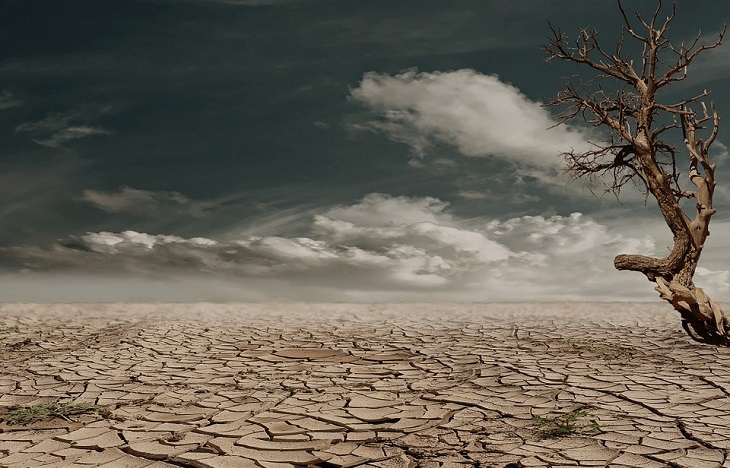
When you are poor, you see life stripped bare of illusions. Poverty does not allow you to hide behind comfort or distraction—it exposes you to the raw edges of reality. Hunger, uncertainty, and scarcity push you into places where you learn truths the wealthy rarely confront. Being poor is not romantic; it is ruthless education.
Poverty teaches you that society is not kind. Those who celebrate you when you succeed disappear when you cannot afford the basics. Friends turn into strangers, family into critics, and neighbors into competitors for survival. This betrayal cuts deep, but it forces you to see who truly belongs in your life.
When money is scarce, every decision carries disproportionate weight. A single shilling misused can mean missing a meal or medicine. Poverty trains you to count coins carefully, but it also shows how fragile existence can be. The wealthy speak of choice and freedom; the poor live with constraint as a daily master.

Being poor makes you notice time differently. For the rich, time is a resource to spend; for the poor, time is survival. Hours are traded for wages, days for uncertain labor, years for waiting on opportunities that may never come. Poverty redefines time as a currency where every delay is costly.
Hunger is poverty’s most brutal tutor. It gnaws not only at the stomach but at dignity and hope. To go without food is to understand vulnerability at its sharpest. Poverty teaches that hunger is not just physical—it is also emotional, stripping people of joy, calm, and the ability to dream beyond survival.
Poor people understand resilience in a way theory cannot teach. They are forced to stretch little into enough, to fix rather than replace, to innovate out of necessity. This resilience is often celebrated, but in truth, it is born from pain. Poverty makes survival skills admirable, but only to those who don’t live it.
When you are poor, you understand the meaning of discipline. You cannot afford reckless spending, impulsive choices, or luxurious waste. Poverty forces you into self-control, often against your will. Ironically, many habits that make the rich richer—saving, budgeting, caution—are born as survival tactics among the poor.
Poverty teaches character because it strips you of masks. When there is no money to impress, you must stand naked in integrity or dishonesty. Some steal, lie, or exploit others to survive; others choose hard, honest paths. Poverty magnifies the essence of character, exposing who people truly are when nothing is left.
The poor see society’s hypocrisy daily. Politicians talk about development while entire families sleep hungry. Churches preach prosperity but exploit offerings. The poor learn early that speeches mean nothing without change, and they stop believing in words. Poverty creates cynics, but also realists who measure promises against lived pain.
In poverty, you learn quickly about value. The value of food, of water, of time, of relationships. Nothing is wasted. Clothes are mended, food scraps are stretched, and friendships are tested. Wealth blinds people to waste; poverty teaches that value is not in abundance but in stretching little to last.
The poor understand inequality with visceral clarity. It is not a statistic; it is the sight of children walking barefoot past mansions, of patients dying outside hospitals that cater only to those with money. Poverty is the front-row seat to injustice, a reminder that systems are built not for all, but for some.
When poor, you grasp that education is not equal. Schools with leaking roofs compete against polished academies. While the wealthy buy privilege, the poor fight through broken chalkboards and overcrowded classes. Poverty teaches that talent is universal, but opportunity is not, and that the ladder to success is uneven by design.
Poverty reveals how fragile health is without money. A fever is not just discomfort but potential death when you cannot afford medicine. The poor experience healthcare as a luxury, not a right. This brutal lesson teaches that survival often depends not on strength but on the cruel lottery of financial access.
Poverty exposes the myth of meritocracy. Hard work alone does not always pay. Millions labor from dawn to dusk yet remain trapped in cycles of poverty. The poor understand that luck, corruption, and privilege often determine success, while effort without opportunity too often ends in exhaustion and despair.
Being poor shows you that dignity can be stolen. To beg, to be ignored, to stand in lines for aid strips away pride. Poverty humbles people beyond their will, forcing them to swallow insults to survive. This lesson burns deeply: without money, society often denies your humanity.
The poor understand priorities with precision. While the wealthy debate luxuries, the poor decide between rent and food, medicine and school fees. This cruel arithmetic teaches focus. Poverty eliminates the luxury of indecision; it sharpens choices to the essentials of survival.
Living poor shows how quickly crises destroy lives. A hospital bill, a funeral, or a flood can erase years of small progress. The poor understand that stability is fragile, and they live with the constant fear of slipping backward. This creates anxiety, but also a relentless drive to hold on to what little they have.
The poor see clearly that debt is slavery. Loans taken for emergencies often spiral into chains, tying generations to repayment. Unlike the rich who leverage debt for investments, the poor use it for survival and remain trapped. Poverty teaches the hard lesson that debt can kill futures as effectively as hunger.
When you are poor, you witness community at its strongest and weakest. Neighbors may share food, but jealousy and competition also rise. Poverty shows both the beauty of shared struggle and the ugliness of scarcity-driven betrayal. It is in this tension that the poor learn the truth about human relationships.
Poverty sharpens gratitude. A meal becomes a feast, a gift becomes treasure, and kindness becomes unforgettable. The poor know how to celebrate small victories, how to find joy in little. This gratitude does not make poverty easier, but it cultivates a depth of appreciation the wealthy rarely experience.
The poor see how corruption bleeds them dry. Funds meant for schools, hospitals, and roads are stolen, leaving them with broken services. Poverty teaches the cruel reality that leadership without accountability worsens their suffering. They learn quickly that politics is not abstract—it decides whether they eat or starve.
When you are poor, you see how dreams die. Ambitions are often sacrificed at the altar of survival. Talented singers, brilliant students, skilled athletes abandon their gifts because poverty cannot give them the room to grow. Poverty is the graveyard of dreams, and the poor live with this tragedy daily.
The poor also learn resilience in faith. Many turn to God because poverty leaves no other anchor. Prayer becomes not just devotion but survival. Poverty teaches dependence—not always on people or systems, but often on unseen strength to endure what seems unbearable.
When poor, you grasp the true cost of inequality. The wealthy often live in bubbles, protected from hardship. The poor, however, see firsthand how the system favors a few and ignores the many. Poverty teaches that the gap is not natural—it is created and maintained by choices of those in power.
Being poor trains resourcefulness. Cooking with little, creating toys from scraps, fixing the unfixable—poverty is a masterclass in making do. While painful, it produces creativity that no classroom can teach. The poor innovate daily, though often out of necessity rather than desire.
Poverty teaches endurance because life leaves no choice. You wake up and face hardship again, no matter yesterday’s pain. This endurance shapes a toughness that wealth cannot buy. Poverty shows you that survival is strength, even when the world calls it weakness.
The poor see how wealth shields from consequences. Crimes by the rich are excused, while the poor are punished harshly. Poverty teaches that justice is unequal, tilted toward money. This bitter truth shapes distrust in systems, and for many, a belief that fairness is a lie reserved for the privileged.
When you are poor, you learn quickly that poverty itself is expensive. The poor pay more for loans, food, and services because they lack access to better options. Poverty is not just about lack of money—it multiplies costs. The poor know they are penalized daily simply for being poor.
Finally, poverty teaches humility. To live at the edge strips away arrogance and pride. It forces you to face life without illusions. Poverty’s lessons are cruel, but they are real. Those who have lived poor understand life in a way the wealthy cannot, because they have walked naked through its harshest truths.
Read Also: Kenya’s Harsh Poverty Reality: 75% of the Population Survives Below $5 A Day

About Steve Biko Wafula
Steve Biko is the CEO OF Soko Directory and the founder of Hidalgo Group of Companies. Steve is currently developing his career in law, finance, entrepreneurship and digital consultancy; and has been implementing consultancy assignments for client organizations comprising of trainings besides capacity building in entrepreneurial matters.He can be reached on: +254 20 510 1124 or Email: info@sokodirectory.com

- January 2026 (220)
- February 2026 (248)
- March 2026 (287)
- April 2026 (207)
- May 2026 (192)
- June 2026 (238)
- July 2026 (279)
- August 2026 (208)
- January 2025 (119)
- February 2025 (191)
- March 2025 (212)
- April 2025 (193)
- May 2025 (161)
- June 2025 (157)
- July 2025 (227)
- August 2025 (211)
- September 2025 (267)
- October 2025 (297)
- November 2025 (230)
- December 2025 (220)
- January 2024 (238)
- February 2024 (227)
- March 2024 (190)
- April 2024 (133)
- May 2024 (157)
- June 2024 (145)
- July 2024 (136)
- August 2024 (154)
- September 2024 (212)
- October 2024 (255)
- November 2024 (196)
- December 2024 (143)
- January 2023 (182)
- February 2023 (203)
- March 2023 (322)
- April 2023 (297)
- May 2023 (267)
- June 2023 (214)
- July 2023 (212)
- August 2023 (257)
- September 2023 (237)
- October 2023 (264)
- November 2023 (286)
- December 2023 (177)
- January 2022 (293)
- February 2022 (329)
- March 2022 (358)
- April 2022 (292)
- May 2022 (271)
- June 2022 (232)
- July 2022 (278)
- August 2022 (253)
- September 2022 (246)
- October 2022 (196)
- November 2022 (232)
- December 2022 (167)
- January 2021 (182)
- February 2021 (227)
- March 2021 (325)
- April 2021 (259)
- May 2021 (285)
- June 2021 (272)
- July 2021 (277)
- August 2021 (232)
- September 2021 (271)
- October 2021 (303)
- November 2021 (364)
- December 2021 (249)
- January 2020 (272)
- February 2020 (310)
- March 2020 (390)
- April 2020 (321)
- May 2020 (335)
- June 2020 (327)
- July 2020 (333)
- August 2020 (276)
- September 2020 (214)
- October 2020 (233)
- November 2020 (242)
- December 2020 (187)
- January 2019 (251)
- February 2019 (215)
- March 2019 (283)
- April 2019 (254)
- May 2019 (269)
- June 2019 (249)
- July 2019 (335)
- August 2019 (292)
- September 2019 (306)
- October 2019 (313)
- November 2019 (362)
- December 2019 (318)
- January 2018 (291)
- February 2018 (213)
- March 2018 (275)
- April 2018 (223)
- May 2018 (235)
- June 2018 (176)
- July 2018 (256)
- August 2018 (247)
- September 2018 (255)
- October 2018 (282)
- November 2018 (282)
- December 2018 (184)
- January 2017 (183)
- February 2017 (194)
- March 2017 (207)
- April 2017 (104)
- May 2017 (169)
- June 2017 (205)
- July 2017 (189)
- August 2017 (195)
- September 2017 (186)
- October 2017 (235)
- November 2017 (253)
- December 2017 (266)
- January 2016 (164)
- February 2016 (165)
- March 2016 (189)
- April 2016 (143)
- May 2016 (245)
- June 2016 (182)
- July 2016 (271)
- August 2016 (247)
- September 2016 (233)
- October 2016 (191)
- November 2016 (243)
- December 2016 (153)
- January 2015 (1)
- February 2015 (4)
- March 2015 (164)
- April 2015 (107)
- May 2015 (116)
- June 2015 (119)
- July 2015 (145)
- August 2015 (157)
- September 2015 (186)
- October 2015 (169)
- November 2015 (173)
- December 2015 (205)
- March 2014 (2)
- March 2013 (10)
- June 2013 (1)
- March 2012 (7)
- April 2012 (15)
- May 2012 (1)
- July 2012 (1)
- August 2012 (4)
- October 2012 (2)
- November 2012 (2)
- December 2012 (1)