
The Slow Death Of Nairobi Is At The Behest Of The Political Class Led By President Ruto
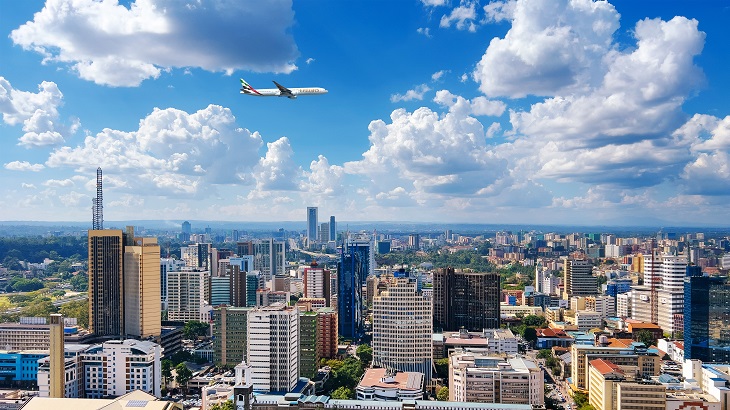
Nairobi did not collapse overnight. It is being slowly suffocated, policy by policy, decision by decision, shrug by shrug. When the capital city of East Africa goes dark at 7:00 pm, this is not an accident, not a coincidence, and certainly not the fault of traders who suddenly became lazy. It is the direct outcome of political choices made by a political class that no longer understands cities, economies, or people.
For decades, Nairobi survived on one powerful idea: it never slept. The city thrived because movement never stopped. Transport ran late. Shops stayed open. Food vendors fed night workers. Security, while imperfect, allowed circulation. This ecosystem created jobs, liquidity, and confidence. Today, that ecosystem is collapsing, and the fingerprints of power are all over the corpse.
At the center of this failure sits William Ruto and a political class obsessed with extraction rather than growth. Instead of nurturing Nairobi as an economic engine, the government treats it like an ATM—taxing everything that moves while offering nothing that works. Licenses multiply, levies stack, fees appear without logic, and enforcement is brutal, arbitrary, and constant.

Over-taxation has quietly strangled small and medium businesses, the very businesses that make a city feel alive at night. When margins collapse, traders do the only rational thing left: close early. Staying open becomes an act of financial suicide. Electricity costs are high, rent is unforgiving, and customers—battered by inflation—have disappeared. Night trade without purchasing power is just lighting bills waiting to happen.
Security, once the thin line holding Nairobi’s nights together, has been neglected and politicized. Police patrols are fewer, response times longer, and trust between citizens and law enforcement has eroded. Businesses are not closing early because they want to—they are closing early because the state has abdicated its most basic duty: protecting life and property.
Read Also: Bolt Announces That 40% Of Its Motorbike Fleet In Nairobi Is Now Electric
A city without safety cannot sustain nightlife, commerce, or confidence.
Then there is harassment. County askaris, enforcement officers, and faceless agencies roam the city like tax hunters. Their presence does not signal order; it signals danger. Every night open is another night to be shaken down, fined, or threatened. When governance feels like extortion, entrepreneurs retreat. Darkness becomes a survival strategy.
The collapse of disposable income under this regime has drained Nairobi’s streets of life. Workers go straight home because they have nothing left to spend. Consumers are rationing meals, transport, and leisure.
The nightlife economy—restaurants, clubs, kiosks, taxis, creatives—depends on excess income.This government has destroyed excess income and then wonders why the city is quiet.
Public transport policy has worsened the crisis. Fewer reliable late-night options mean workers and customers cannot move safely after dark. When mobility collapses, cities shrink. Nairobi is shrinking hour by hour, retreating inward, becoming cautious, fearful, and economically conservative.
The irony is painful. While the political class speaks endlessly about Singapore, Dubai, and global cities, their actions push Nairobi in the opposite direction. Singapore did not become Singapore by taxing survival. It invested in safety, predictability, infrastructure, and trust. Nairobi is being run on slogans instead of systems.
Urban planning under this leadership has been replaced by chaos. Roads are dug without notice, sidewalks vanish overnight, and businesses are cut off from customers for months. No compensation. No accountability. Just disruption. Night trade cannot survive permanent construction disorder and hostile spatial planning.
The political class also misunderstands informality. Instead of integrating informal traders into a safe, taxed, and protected night economy, they criminalize them. Hawkers are chased away, arrested, beaten, and humiliated. Yet these traders are the heartbeat of after-hours Nairobi. Kill them, and the city goes silent.
Energy costs have further accelerated the shutdown. Power outages, high tariffs, and unreliable supply make night operations risky. Businesses cannot plan. Generators are expensive. Predictability—essential for night economies—has been sacrificed at the altar of incompetence.
Tourism, conferences, and international business once fed Nairobi’s nights. Today, visitors retreat to hotels by sunset. The city no longer feels welcoming or vibrant. This is not perception; it is policy failure manifesting on the streets.
What makes this decline tragic is that Nairobi still has the people, the talent, the ambition, and the demand. What it lacks is leadership that understands urban economics. Cities grow when governments enable activity, not when they punish it.
A city closing early is not resting—it is bleeding.
Each shuttered shop represents lost jobs, reduced tax revenue, broken dreams, and shrinking hope. This is the slow death of Nairobi, administered daily by a ruling class detached from lived reality.
The silence of the streets is a verdict. It tells