
Inside Africa’s Hospitality Revolution: What It Really Takes to Build Enduring Brands
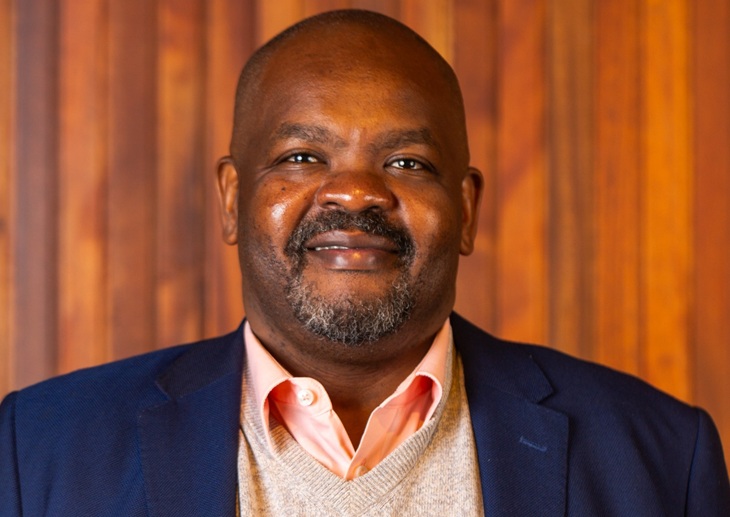
One of the most common misunderstandings about hospitality in Africa, according to Leonard Mudachi, Founder and Chief Vision & Growth Officer at Branded Restaurants & Retail Africa Ltd, is the assumption that it is primarily about visible experiences, beautiful interiors, good food, and trendy spaces.
In reality, hospitality is an operational discipline that demands consistency at every level. From staffing and supply chains to customer experience and service delivery, success depends on systems that function reliably day after day.
More importantly, he emphasizes that hospitality in Africa cannot simply be imported from global markets. It must be interpreted through local culture, behaviour, spending habits, and lifestyle expectations. The brands that succeed are those that design experiences that feel authentic rather than copied.

Too often, the industry prioritizes aesthetics and hype. But sustainable hospitality, he notes, is built on structure, culture, and long-term thinking.
What Modern African Consumers Are Really Buying
Beyond food, luxury, and physical experiences, today’s African consumers are seeking something deeper: identity and belonging.
The rising middle and upper classes are increasingly selective about where they spend their money. They are drawn to spaces that reflect who they are becoming—or aspire to become. This shift has transformed hospitality into an emotional and psychological experience rather than a purely transactional one.
Modern lifestyle spaces now blend music, design, storytelling, exclusivity, and community. People are not just buying meals or services; they are buying moments, memories, and environments that make them feel seen and connected.
In this sense, hospitality has evolved into a powerful cultural platform—one that shapes how people express themselves and interact with the world around them.
Nairobi’s Evolving Lifestyle Identity
Nairobi’s transformation over the past decade has been significant. The city now boasts a growing ecosystem of world-class chefs, creatives, musicians, and entrepreneurs pushing the boundaries of lifestyle and culture.
However, Mudachi views the city as being in a transitional phase rather than having fully arrived as a global lifestyle capital.
While creativity and ambition are evident, he points to the need for stronger systems and institutions that can sustain growth beyond trends. True global status, he argues, is not defined by aesthetics or momentary hype but by the durability of ecosystems over time.
Still, there is reason for optimism. Nairobi is increasingly confident in shaping its own identity rather than imitating global models—a shift that signals a deeper maturity in its cultural evolution.
Leadership Lessons From Scaling Hospitality Giants
Having led large-scale hospitality operations such as Java House, Mudachi reflects on the intense lessons that come with growth.
Scaling a business, he says, quickly strips away assumptions. Leadership becomes less about having all the answers and more about building systems that allow others to perform effectively. As businesses expand, complexity multiplies, and what works in one location rarely translates seamlessly to another.
One of the most important lessons, he notes, is that ambition without discipline can be destructive. Sustainable growth requires patience, operational excellence, and a strong organizational culture.
He also highlights the importance of emotional stability in leadership. Pressure is constant in large hospitality businesses, but success depends on the ability to remain calm, focused, and people-centered even in high-stakes environments.
The Underrated Power of Culture and Experience
Across Africa’s entrepreneurial landscape, funding conversations dominate while culture and taste are often overlooked. Mudachi believes this is a missed opportunity.
Industries such as hospitality, entertainment, fashion, food, and music are no longer peripheral—they are central to modern economies. Globally, some of the strongest markets are built on culture and experience, and Africa is beginning to move in the same direction.
He argues that Africa’s real opportunity lies not only in consuming global culture but in exporting its own. The continent is rich in storytelling, aesthetics, music, and culinary traditions that resonate globally. The challenge is building the structures that allow these creative industries to scale sustainably.
What Separates Brands That Last From Those That Fade
In hospitality, hype can create attention—but it rarely creates longevity.
According to Mudachi, the brands that endure are those that evolve beyond personality-driven beginnings and build strong systems. Consistency in service, clarity of identity, and discipline in execution are what turn businesses into institutions.
Successful brands understand who they are and remain anchored in that identity even as they evolve. In contrast, many businesses fade because they chase trends without building strong foundations.
Long-term success, he emphasizes, comes from investing in people, training, systems, and customer relationships—elements that outlast market cycles and changing consumer preferences.
Building a Legacy Beyond Business
When reflecting on legacy, Mudachi does not separate business from culture or impact. For him, entrepreneurship has always been about building platforms that shape how people live, connect, and experience life.
He envisions a legacy defined by contribution rather than titles—one that helped build confident African brands capable of competing globally while staying true to their identity.
Ultimately, his vision reflects a broader aspiration for the continent: a future where African brands are not only commercially successful but also culturally influential on the global stage.
Read Also: Africa’s Hospitality Sector Is Growing — But Scaling Remains the Real Challenge

About Soko Directory Team
Soko Directory is a Financial and Markets digital portal that tracks brands, listed firms on the NSE, SMEs and trend setters in the markets eco-system.Find us on Facebook: facebook.com/SokoDirectory and on Twitter: twitter.com/SokoDirectory

- January 2026 (220)
- February 2026 (248)
- March 2026 (287)
- April 2026 (208)
- May 2026 (191)
- June 2026 (73)
- January 2025 (119)
- February 2025 (191)
- March 2025 (212)
- April 2025 (193)
- May 2025 (161)
- June 2025 (157)
- July 2025 (227)
- August 2025 (211)
- September 2025 (270)
- October 2025 (297)
- November 2025 (230)
- December 2025 (220)
- January 2024 (238)
- February 2024 (227)
- March 2024 (190)
- April 2024 (133)
- May 2024 (157)
- June 2024 (145)
- July 2024 (136)
- August 2024 (154)
- September 2024 (212)
- October 2024 (255)
- November 2024 (196)
- December 2024 (143)
- January 2023 (182)
- February 2023 (203)
- March 2023 (322)
- April 2023 (297)
- May 2023 (267)
- June 2023 (214)
- July 2023 (212)
- August 2023 (257)
- September 2023 (237)
- October 2023 (264)
- November 2023 (286)
- December 2023 (177)
- January 2022 (293)
- February 2022 (329)
- March 2022 (358)
- April 2022 (292)
- May 2022 (271)
- June 2022 (232)
- July 2022 (278)
- August 2022 (253)
- September 2022 (246)
- October 2022 (196)
- November 2022 (232)
- December 2022 (167)
- January 2021 (182)
- February 2021 (227)
- March 2021 (325)
- April 2021 (259)
- May 2021 (285)
- June 2021 (272)
- July 2021 (277)
- August 2021 (232)
- September 2021 (271)
- October 2021 (304)
- November 2021 (364)
- December 2021 (249)
- January 2020 (272)
- February 2020 (310)
- March 2020 (390)
- April 2020 (321)
- May 2020 (335)
- June 2020 (327)
- July 2020 (333)
- August 2020 (276)
- September 2020 (214)
- October 2020 (233)
- November 2020 (242)
- December 2020 (187)
- January 2019 (251)
- February 2019 (215)
- March 2019 (283)
- April 2019 (254)
- May 2019 (269)
- June 2019 (249)
- July 2019 (335)
- August 2019 (292)
- September 2019 (306)
- October 2019 (313)
- November 2019 (362)
- December 2019 (318)
- January 2018 (291)
- February 2018 (213)
- March 2018 (275)
- April 2018 (223)
- May 2018 (235)
- June 2018 (176)
- July 2018 (256)
- August 2018 (247)
- September 2018 (255)
- October 2018 (282)
- November 2018 (282)
- December 2018 (184)
- January 2017 (183)
- February 2017 (194)
- March 2017 (207)
- April 2017 (104)
- May 2017 (169)
- June 2017 (205)
- July 2017 (189)
- August 2017 (195)
- September 2017 (186)
- October 2017 (235)
- November 2017 (253)
- December 2017 (266)
- January 2016 (164)
- February 2016 (165)
- March 2016 (189)
- April 2016 (143)
- May 2016 (245)
- June 2016 (182)
- July 2016 (271)
- August 2016 (247)
- September 2016 (233)
- October 2016 (191)
- November 2016 (243)
- December 2016 (153)
- January 2015 (1)
- February 2015 (4)
- March 2015 (164)
- April 2015 (107)
- May 2015 (116)
- June 2015 (119)
- July 2015 (145)
- August 2015 (157)
- September 2015 (186)
- October 2015 (169)
- November 2015 (173)
- December 2015 (205)
- March 2014 (2)
- March 2013 (10)
- June 2013 (1)
- March 2012 (7)
- April 2012 (15)
- May 2012 (1)
- July 2012 (1)
- August 2012 (4)
- October 2012 (2)
- November 2012 (2)
- December 2012 (1)