Kenyan Industrial Energy Firm Lean Energy Earns B Corp Certification
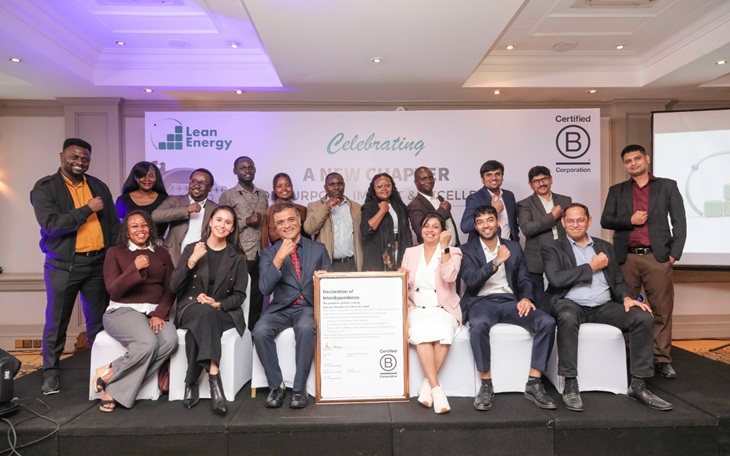
Lean Energy Solutions has earned B Corp Certification, independently validating its model for helping East African manufacturers transition from imported fossil fuels to locally sourced renewable biomass.
The certification comes as manufacturers face growing pressure to control energy costs, reduce emissions and limit their exposure to foreign-exchange volatility while maintaining the reliable thermal energy required for production.
Through its Build-Own-Operate model, Lean Energy finances, installs, operates and maintains renewable biomass boiler systems for its clients. Manufacturers pay for the steam they consume, enabling them to adopt cleaner thermal energy without the upfront cost or operational responsibility of managing the infrastructure themselves.

The company also manages the biomass supply chain, converting locally available agricultural residues, including maize cobs and coffee husks, into industrial fuel and creating value from materials that might otherwise go to waste.
According to company impact data, Lean Energy has reduced emissions by 350,000 tonnes, generated four million person-days of employment and delivered USD 50 million in foreign-exchange savings for Kenya. It oversees more than 20 boiler sites in Kenya and Tanzania, with a combined steam-generation capacity of 90 tonnes per hour.
Dinesh Tembhekar, Founder and Managing Director of Lean Energy Solutions, said the certification reinforces the company’s ambition for African industry. “Africa’s industrial growth should not come at the expense of competitiveness or the environment. This certification strengthens our ambition to scale a model that gives manufacturers reliable, lower-carbon energy while building local value chains and reducing dependence on imported fuels.”
Lean Energy achieved 87.5 points on B Lab’s B Impact Assessment, surpassing the 80-point threshold required for certification. Elizabeth Mutwiri, Communications and Engagement Senior Associate at B Lab Africa, said the result reflects a comprehensive review of the company’s impact. “The assessment looks beyond a company’s products to how it is governed, how it supports its workers, creates value for communities and customers, and manages its environmental impact. Lean Energy’s certification demonstrates that responsible business practices can be embedded in how an industrial company operates, competes and grows.”
For Lean Energy, the certification sets the standard for its next phase of growth: scaling a commercially viable, locally powered energy model that strengthens African manufacturing while delivering measurable social and environmental impact.
Read Also: Vivo Energy Kenya Honours the Unsung Heroes Behind Kenya’s Mobility

About Soko Directory Team
Soko Directory is a Financial and Markets digital portal that tracks brands, listed firms on the NSE, SMEs and trend setters in the markets eco-system.Find us on Facebook: facebook.com/SokoDirectory and on Twitter: twitter.com/SokoDirectory