
Local Coffee Demand Could Transform Farming
By Robai Ludenyi
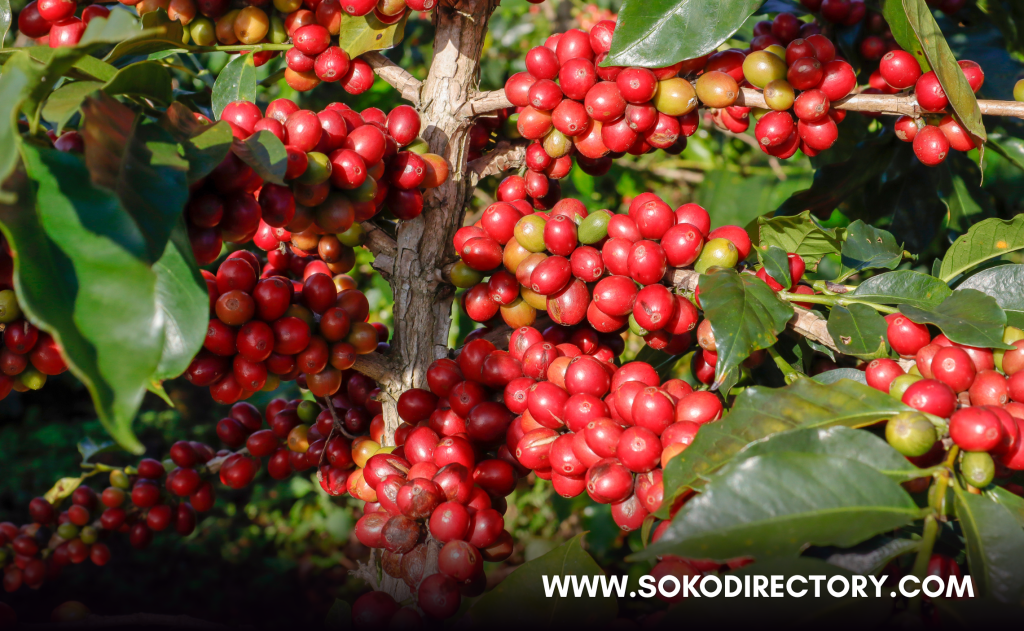
Kenya has built a strong reputation around the world for producing some of the finest coffee, with its beans fetching premium prices in international markets. Yet despite this global recognition, many Kenyans rarely drink the coffee grown in their own country. Changing this trend could help secure the future of the country’s coffee sector while putting more money into farmers’ pockets.
Experts say Kenya has focused for decades on exporting almost all of its coffee because overseas buyers pay attractive prices. While exports remain an important source of foreign exchange, overreliance on international markets has left farmers vulnerable whenever global coffee prices fall, or demand weakens. Economic uncertainty, changing consumer trends and climate-related challenges have also made the export market less predictable.

To reduce these risks, coffee stakeholders are encouraging Kenyans to develop a stronger coffee-drinking culture. They argue that increasing local consumption would create a reliable domestic market capable of absorbing part of the country’s production even when export demand slows. A stronger home market would provide farmers with another source of income instead of relying almost entirely on buyers from Europe, the United States and Asia.
Many coffee-producing countries have managed to grow their industries by building a healthy domestic market alongside exports. Countries such as Brazil and Ethiopia consume a significant share of the coffee they produce, helping farmers maintain sales even during periods of international market instability. Kenya, they say, can follow a similar path if consumers embrace locally roasted coffee.
Roasters, café owners and coffee marketers are being encouraged to make locally produced coffee more accessible and affordable. They are also being urged to introduce more products that appeal to younger consumers, including ready-to-drink beverages, flavoured coffee options and convenient packaging suited for busy lifestyles. Such innovations could help attract new customers and expand the local market. Universities, hotels and government institutions can play a significant role by sourcing and serving Kenyan coffee. Increased demand from these institutions would create a steady market for local producers while promoting national pride in one of the country’s most valuable agricultural products.
For farmers, higher domestic consumption could mean more stable earnings throughout the year. Instead of depending solely on fluctuating export prices, they would have additional buyers within the country. This would improve income security, encourage investment in better farming practices, and support efforts to increase production.
Read Also: Beyond Pineapples: How Del Monte Kenya Sustains Nearly 20,000 Jobs and Anchors Local Economies

About Soko Directory Team
Soko Directory is a Financial and Markets digital portal that tracks brands, listed firms on the NSE, SMEs and trend setters in the markets eco-system.Find us on Facebook: facebook.com/SokoDirectory and on Twitter: twitter.com/SokoDirectory

- January 2026 (220)
- February 2026 (248)
- March 2026 (287)
- April 2026 (208)
- May 2026 (191)
- June 2026 (238)
- July 2026 (279)
- August 2026 (64)
- January 2025 (119)
- February 2025 (191)
- March 2025 (212)
- April 2025 (193)
- May 2025 (161)
- June 2025 (157)
- July 2025 (227)
- August 2025 (211)
- September 2025 (267)
- October 2025 (297)
- November 2025 (230)
- December 2025 (220)
- January 2024 (238)
- February 2024 (227)
- March 2024 (190)
- April 2024 (133)
- May 2024 (157)
- June 2024 (145)
- July 2024 (136)
- August 2024 (154)
- September 2024 (212)
- October 2024 (255)
- November 2024 (196)
- December 2024 (143)
- January 2023 (182)
- February 2023 (203)
- March 2023 (322)
- April 2023 (297)
- May 2023 (267)
- June 2023 (214)
- July 2023 (212)
- August 2023 (257)
- September 2023 (237)
- October 2023 (264)
- November 2023 (286)
- December 2023 (177)
- January 2022 (293)
- February 2022 (329)
- March 2022 (358)
- April 2022 (292)
- May 2022 (271)
- June 2022 (232)
- July 2022 (278)
- August 2022 (253)
- September 2022 (246)
- October 2022 (196)
- November 2022 (232)
- December 2022 (167)
- January 2021 (182)
- February 2021 (227)
- March 2021 (325)
- April 2021 (259)
- May 2021 (285)
- June 2021 (272)
- July 2021 (277)
- August 2021 (232)
- September 2021 (271)
- October 2021 (304)
- November 2021 (364)
- December 2021 (249)
- January 2020 (272)
- February 2020 (310)
- March 2020 (390)
- April 2020 (321)
- May 2020 (335)
- June 2020 (327)
- July 2020 (333)
- August 2020 (276)
- September 2020 (214)
- October 2020 (233)
- November 2020 (242)
- December 2020 (187)
- January 2019 (251)
- February 2019 (215)
- March 2019 (283)
- April 2019 (254)
- May 2019 (269)
- June 2019 (249)
- July 2019 (335)
- August 2019 (292)
- September 2019 (306)
- October 2019 (313)
- November 2019 (362)
- December 2019 (318)
- January 2018 (291)
- February 2018 (213)
- March 2018 (275)
- April 2018 (223)
- May 2018 (235)
- June 2018 (176)
- July 2018 (256)
- August 2018 (247)
- September 2018 (255)
- October 2018 (282)
- November 2018 (282)
- December 2018 (184)
- January 2017 (183)
- February 2017 (194)
- March 2017 (207)
- April 2017 (104)
- May 2017 (169)
- June 2017 (205)
- July 2017 (189)
- August 2017 (195)
- September 2017 (186)
- October 2017 (235)
- November 2017 (253)
- December 2017 (266)
- January 2016 (164)
- February 2016 (165)
- March 2016 (189)
- April 2016 (143)
- May 2016 (245)
- June 2016 (182)
- July 2016 (271)
- August 2016 (247)
- September 2016 (233)
- October 2016 (191)
- November 2016 (243)
- December 2016 (153)
- January 2015 (1)
- February 2015 (4)
- March 2015 (164)
- April 2015 (107)
- May 2015 (116)
- June 2015 (119)
- July 2015 (145)
- August 2015 (157)
- September 2015 (186)
- October 2015 (169)
- November 2015 (173)
- December 2015 (205)
- March 2014 (2)
- March 2013 (10)
- June 2013 (1)
- March 2012 (7)
- April 2012 (15)
- May 2012 (1)
- July 2012 (1)
- August 2012 (4)
- October 2012 (2)
- November 2012 (2)
- December 2012 (1)