Why Kenya Must Close the Gap on Fortified Maize Flour
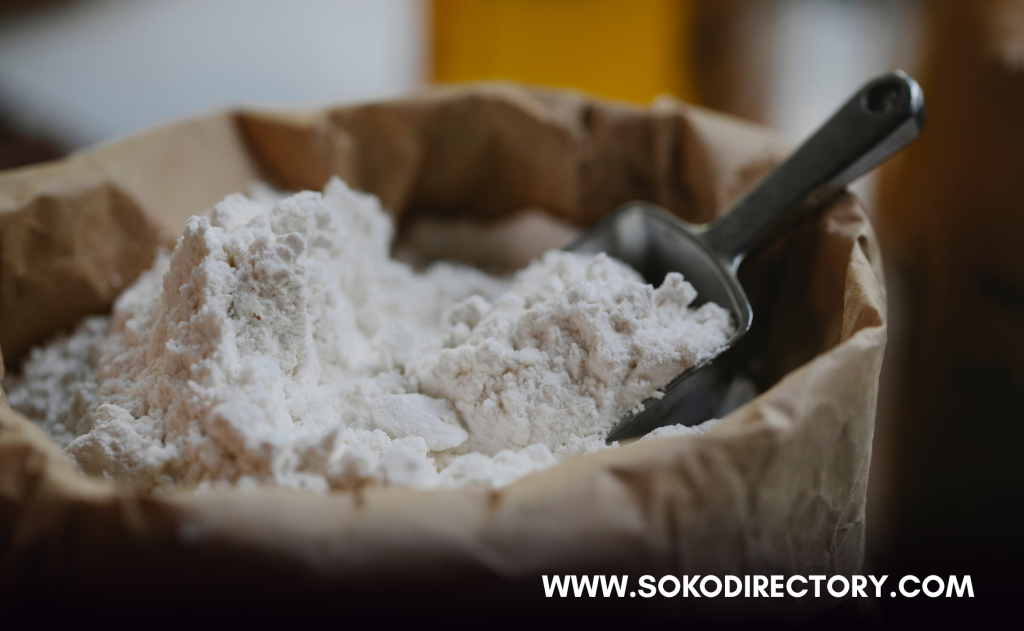
For millions of Kenyan families, maize flour is more than just a staple food; it is the foundation of daily meals. Whether it is prepared as ugali, porridge, or other traditional dishes, many households depend on it every single day. Yet behind this essential food lies a growing public health concern: a large share of the maize flour available in the market still fails to meet Kenya’s mandatory fortification standards.
Although Kenya introduced laws requiring maize flour to be fortified with essential vitamins and minerals more than a decade ago, compliance remains far from where it should be. Current estimates show that only about 37 percent of maize flour sold across the country is fortified. The remaining 63 percent, much of it produced by informal and unregulated millers, reaches consumers without the nutrients required by law. This means thousands of families may unknowingly be purchasing flour that lacks vital nutrients needed to support healthy growth and overall well-being. Most shoppers naturally assume that any maize flour sold in shops or local markets has already met national quality standards. Unfortunately, that is not always the case.
The lack of clear information leaves consumers unable to make informed choices about the food they feed their families. A mother buying maize flour in any town may believe she is providing nutritious meals, yet the product she purchases could be missing essential nutrients that help prevent deficiencies, particularly among children and expectant mothers. Beyond the health risks, the compliance gap also creates an unfair business environment. Millers who invest in proper fortification processes incur additional production costs to meet legal requirements. However, they must compete with producers who ignore these regulations while selling their products in the same market, often at lower prices. Such unfair competition discourages responsible manufacturers from maintaining high standards.

Consumer education must also become a priority. Many Kenyans still do not know that fortified maize flour is not a premium or optional product it is the national standard. Buyers should be encouraged to check packaging carefully before making a purchase and confirm that the flour meets Kenya’s nutritional requirements. One of the easiest ways to identify compliant products is by looking for the KEBS fortification logo, commonly known as the “Running Man” symbol. This mark indicates that the flour has been enriched with essential vitamins and minerals as required by law.
Choosing fortified flour helps protect children from nutrient deficiencies, supports healthier pregnancies, and contributes to a stronger, healthier population. Ensuring every Kenyan has access to properly fortified maize flour is not just a regulatory obligation; it is an investment in the country’s future health, productivity, and economic development.
Read Also : Mama Kuku Would Have Thrived: Why Fanikisha Is the Financial Partner Kenya’s Women Entrepreneurs Deserve

About Soko Directory Team
Soko Directory is a Financial and Markets digital portal that tracks brands, listed firms on the NSE, SMEs and trend setters in the markets eco-system.Find us on Facebook: facebook.com/SokoDirectory and on Twitter: twitter.com/SokoDirectory