Kenya’s Milk Crisis Deepens As Supplies Tighten And Prices Rise
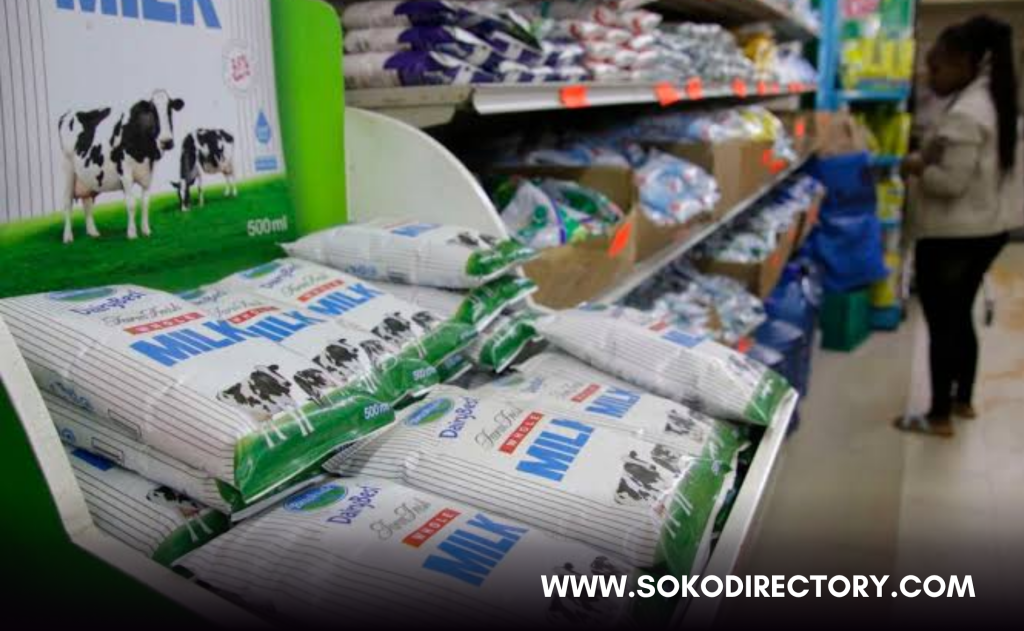
Something has gone wrong with Kenya’s milk supply, and shoppers are the first to notice it. In parts of the country, supermarket shelves that once stocked familiar brands are running thin, retailers are capping how much milk a customer can buy, and prices are ticking upward on a product most households treat as non-negotiable.
The Consumers Federation of Kenya (COFEK) has been tracking the slide and doesn’t like what it sees. The watchdog is warning that without swift intervention, the situation could get worse before it gets better.
The numbers, drawn from Kenya National Bureau of Statistics data, tell a fairly stark story. Formal-sector milk intake dropped 5 per cent in a single month, from 88.89 million litres in May to 84.44 million litres in June. Compare that June figure to the same month last year, and the gap widens further: it’s down 6.4 per cent from the 90.24 million litres processed in June 2025.

Nairobi appears to be feeling it most acutely. Fresh milk that sold for around KSh70 a litre has crept up to roughly KSh80 at some outlets, according to COFEK, and packaged milk hasn’t been spared either; retailers say deliveries from suppliers simply haven’t kept pace with demand.
Trace the shortage back far enough, and it lands, unsurprisingly, on the farm. COFEK points to a familiar combination of pressures squeezing dairy farmers: patchy pasture, delayed rains, and feed costs that have jumped by roughly 45 per cent.
Smallholders bear the brunt of this. They produce an estimated 80 per cent of Kenya’s milk, and COFEK says many are watching their cows’ output fall, from a healthy seven to nine litres a day down to just four or five. When feed gets more expensive, and grass gets scarcer, that’s the kind of drop that follows.
There’s a longer-term worry buried in these numbers too: if dairy farming stops paying, some farmers may simply walk away from it, which would only deepen the shortage.
For now, households are left navigating purchase limits and empty shelf space. Shoppers have reported trouble tracking down Brookside, KCC and Tuzo in some stores, brands that are normally easy to find.
COFEK isn’t just flagging the problem; it’s pushing for action. The federation has given the government a seven-day window to lay out a recovery plan, and its list of demands is specific: emergency feed and fodder support for struggling farmers, clearer public reporting on national milk reserves, and steps to keep prices from spiraling further.
It’s also pressing the National Treasury to scrap import duty and VAT on dairy-feed inputs like yellow maize and soya, a move it argues would ease the cost burden on producers. Separately, COFEK wants the Kenya Dairy Board to account for what happened to the country’s previous milk surplus and to come clean on the current state of milk-powder reserves.
Whether the government moves quickly enough remains to be seen. But for now, the pressure is being felt on both ends of the supply chain, by farmers watching their yields shrink, and by households watching their grocery bills climb.
Read Also: A Look At Prices Of Sugar Across Naivas, Cleanshelf, Quickmart And Carrefour