Maize Prices Remain High As Costs Vary Widely Across Kenyan Markets
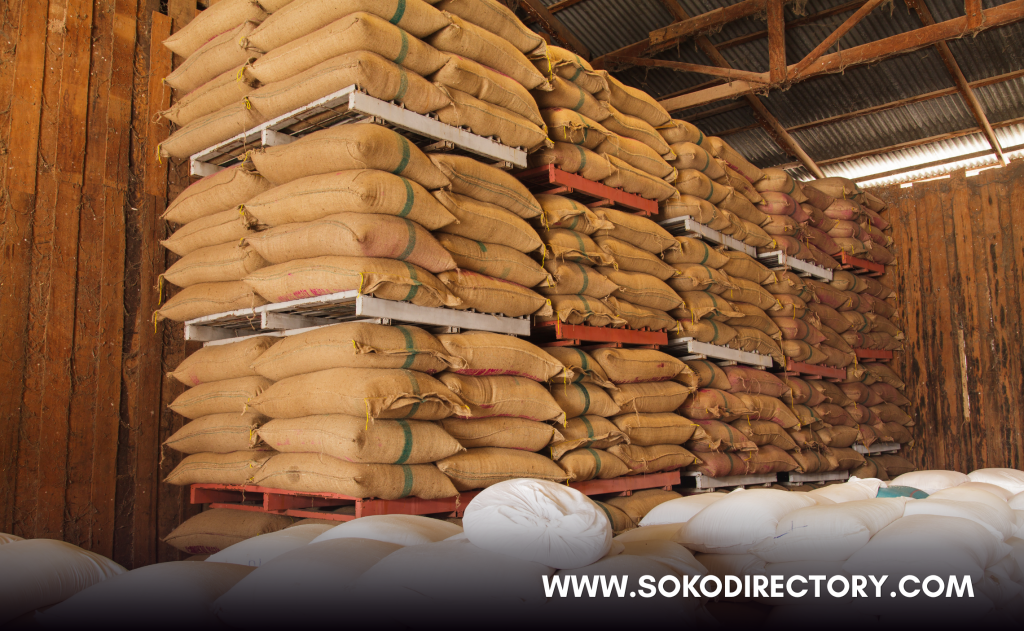
A 90-kilogram bag of dry maize is still costing a lot in Kenya, and the price you’ll see on the shelf shifts from one market to the next, depending on how much stock is available and how far the market is from the main growing areas.
The Warehouse Receipt System Council (WRSC) puts the national average for a 90kg bag of white maize at KSh4,243.50 as of October 12, 2026. County figures, though, can sit well above or below that mark.
Data from Kenya Agri-Atlas shows Nairobi traders selling dry maize at an average of KSh51 per kilogramme on October 7, which works out to roughly KSh4,590 for a 90kg bag. In Bungoma, the price was KSh50 per kilogramme on September 30, or about KSh4,500 a bag.

Where prices stand.
| Location | Latest verified price | Approx. price per 90kg |
| Nairobi | KSh122 | KSh5600 |
| Bungoma | KSh120 | KSh4,500 |
| Kakamega | KSh120 | Ksh5,400 |
| Eldoret | KSh60 | KSh 4,670 |
| Mombasa | KSh120 | KSh4,670 |
| Nakuru | KSh120 | KSh4,600 |
| Kisumu | KSh130 | KSh6,500 |
| Machakos | KSh120 | KSh5,796 |
Bag prices are the per-kilogramme figure multiplied by 90. Prices may differ between individual markets within a county.
The numbers suggest maize remains costly as traders and shoppers deal with shifting supply. Nairobi’s average of about KSh4,590 a bag is KSh347 higher than the WRSC national figure, and Bungoma’s roughly KSh4,500 also sits above it.
Several factors explain the gaps: how much maize is available locally, what it costs to move it, how strong demand is, and how close a market is to the big production zones.
The Ministry of Agriculture’s Kenya Agricultural Market Information System (KAMIS) shows the same pattern. Earlier records put wholesale white maize at KSh42.22 per kilogramme in Kakamega Town, compared with KSh55 at Kawangware in Nairobi.
In Kisumu, wholesale white maize was previously recorded at KSh65 per kilogramme at Ahero, a reminder that prices can swing widely even within regions that both grow and consume a lot of maize.
Attention is now on the market as fresh harvests from the main growing regions arrive. Farmers with stock to sell could see better returns if prices hold. Shoppers, on the other hand, may eventually feel it in the price of maize flour and other maize-based foods if the high prices persist.
Overall, the data shows a market where prices in some major consumption centres are still above the national average, and where gaps between individual markets remain wide.
Read Also: Inside Kenya’s 3 Million-Tonne Maize Gamble, What It Means For The Price Of Unga