Motorists Threaten Protests After EPRA Hikes Fuel Prices, Ends Subsidy
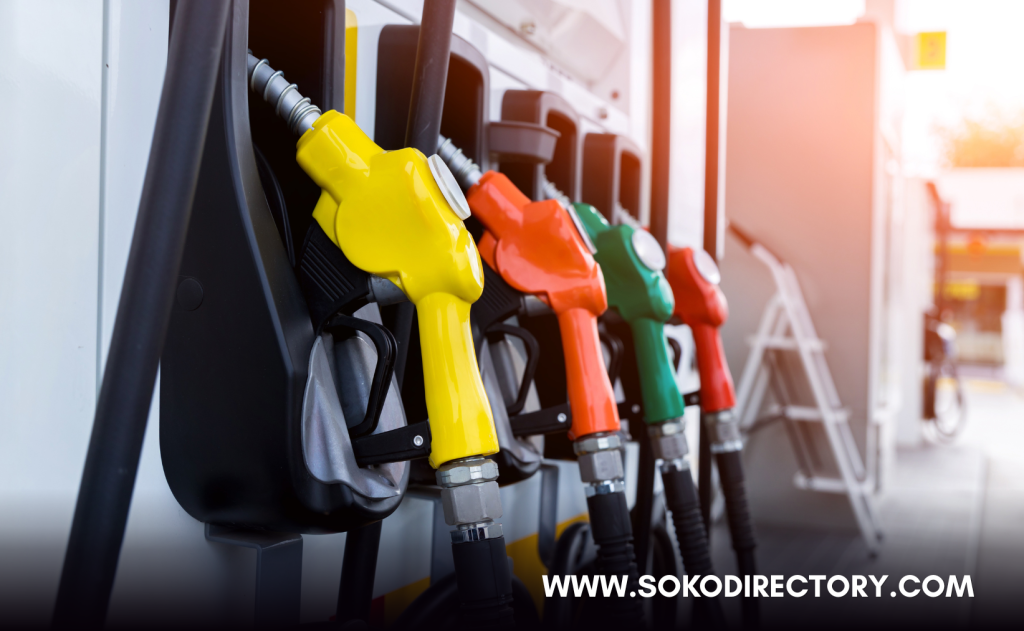
Kenyans will dig deeper into their pockets for fuel, after the Energy and Petroleum Regulatory Authority (EPRA) raised the price of petrol by Ksh12.93 a litre, diesel by Ksh9.90 and kerosene by Ksh28.49. The review comes as tensions in the Middle East continue to push up global oil costs.
In Nairobi, Super Petrol now goes for Ksh226.96 a litre, diesel for Ksh227.76 and kerosene for Ksh219.87. Over in Mombasa, petrol costs Ksh223.81, diesel Ksh224.61 and kerosene Ksh216.71.
Several factors lie behind the steep rise. Chief among them is the government’s decision to stop the fuel subsidy, which had cushioned consumers since the April pricing cycle.

EPRA Director General Eng. Edward Mwirigi Kinyua said the stabilisation mechanism would not be applied this time, so that the money saved could be held back for a day when prices spike even further.
Kinyua also pointed to local demand and developments in the US-Israel war on Iran as pressures keeping pump prices high.
The Motorists Association of Kenya (MAK) has not taken the news lightly. In a statement on Wednesday, October 14, the lobby warned that it could rally motorists, transport operators and other Kenyans for peaceful protests unless the government addresses concerns about rising fuel costs and how petroleum is priced.
It said it would first consult its members on a coordinated public response, and accused both the government and EPRA of failing to adequately explain the latest increases.
MAK is demanding an independent review of the October-November price adjustments, a comprehensive audit of the Government-to-Government (G-to-G) petroleum import deal Publication of detailed fuel pricing calculations, disclosure of the Petroleum Development Levy Fund’s receipts, disbursements and stabilisation balances and review of petroleum taxes and levies
The association was particularly puzzled by kerosene. Its price shot up by Ksh28.49, more than double the petrol increase, even though kerosene reportedly recorded the smallest percentage rise in landed costs. MAK wants EPRA to break down how taxes, freight, insurance, distribution margins and stabilisation adjustments added up to the final price.
It also dared the regulator to show whether the G-to-G arrangement has actually saved consumers any money, including details of supplier premiums and financing costs.
“An explanation is not scientific merely because it contains figures,” MAK said. “It becomes scientific when its assumptions, methodology and calculations can be independently examined and reproduced.”
The group further called for pricing worksheets laying out the international benchmarks, landed costs, exchange rates, freight, taxes and other adjustments used to arrive at the pump prices.
On kerosene, MAK rejected the argument that higher prices help discourage fuel adulteration, saying this punishes households when the focus should be on going after the offenders.
Finally, the association urged Parliament, the Auditor-General and the Competition Authority of Kenya (CAK) to scrutinise how petroleum is procured and priced.
Read Also: How Fuel Prices Are Eating Into Earnings Of Matatu, Boda Boda And Delivery Operators