
Beyond the Four Walls: Elevate, HCRE’s Additional Pillar of Residential Experience
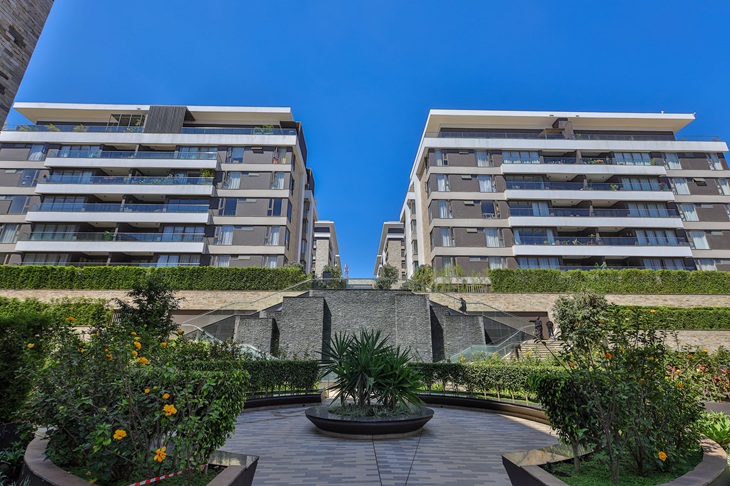
Ask most people how they chose their home and the answers come quickly: the location, the layout, the finishes, the view, the security, perhaps the pool or the gym listed in the brochure. These are the things that can be measured on a site visit, compared across developments and written into a sale agreement.
Ask the same people what they value about living there a year later, and the answers tend to change. They talk about the neighbour they now run with on Saturday mornings. The fact that they no longer drive across town for a yoga class. The evenings their children spend with friends two floors down. The café where they pick up coffee on the way to work, or the quiet corner where they get through a morning of calls without the distractions of home.
None of these things appear on a floor plan. Yet they shape the experience of home as much as the square footage does.

This gap between what a development is and what it is like to live in raises a question that residential developers have not always been asked to answer: what happens after the keys are handed over? How are the shared spaces actually used? What opportunities exist for residents to pursue their interests, look after their wellbeing, meet their neighbours and make better use of their time, without leaving the place they live?
A residential development, in other words, is more than a collection of apartments. It is also the life that unfolds between them.
Resident Experience: An Additional Pillar
For HassConsult Real Estate (HCRE), the handover of an apartment is an important milestone, but it is not the end of the residential experience. It is closer to the beginning. The spaces, services and opportunities available to residents after they move in continue to shape how they experience their home long after the sale is complete.
This thinking sits behind what HCRE describes as Resident Experience, an additional pillar in its approach to residential development. It does not replace the fundamentals of location, design, quality of construction and security. It sits alongside them, and asks how a development can continue to add value beyond the physical property itself.
The shift is best captured by a change in the question being asked. The conventional question is: What amenities should a residential development offer? It is a reasonable question, and it produces gyms, pools, lounges and co-working rooms. But it stops at provision.
The Resident Experience pillar asks a different question: What experiences can those amenities make possible?
The difference is practical. A gym that exists is not the same as a gym that residents use, enjoy and return to. A lounge that sits empty most evenings delivers little of its potential. A shared space becomes valuable when it is woven into the routines, interests and relationships of the people who live around it. That depends on how it is activated, programmed and made part of everyday life, as much as on how well it was built.
Elevate at Enaki Town: The Philosophy in Practice
At Enaki Town, this thinking has taken a concrete form: Elevate, a resident experience programme that runs across the development’s amenity offering.
Elevate is not a calendar of occasional events, nor simply a way of keeping facilities busy. It is an experience-led approach to how the residential environment is used and enjoyed. Its purpose is to encourage residents to engage with the spaces already available to them, and to discover different ways of fitting those spaces into their days.
The distinction between a facility and an experience becomes clearer in the detail.
The gym is a room with equipment until a resident joins a daily class, attends a session led by a visiting expert, or signs up for a community fitness challenge with neighbours they had only ever nodded to in the lift. At that point it becomes a place with a rhythm and a reason to return.
The cinema is a well-appointed screening room until it hosts a girls’ movie night, and the room fills with people who arrived as residents and leave as acquaintances.
Work follows a similar logic. For residents who work remotely or keep hybrid schedules, the choice has often been between the kitchen table and a commute to an external co-working space. A shared workspace within the development offers a third option: a change of environment without leaving home. Green spaces and gatherings such as the book club extend that idea, giving residents a variety of places to think, focus or simply step away from the screen.
Food plays its own part. A resident potluck becomes an introduction to a neighbour’s cuisine and the traditions behind it. Day to day, Artcaffe Market brings a quieter kind of convenience: the morning coffee run with neighbours, groceries close to the doorstep, small rituals that make the development feel lived in.
And for families, programming for younger residents creates room for creativity, play and friendship. Little Chefs of Enaki has turned pizza-making into an afternoon activity. Halloween trick-or-treating brings costumed children through the community, and Enaki Summer Splash gives the pool a festive role during the school holidays.
In each case the space itself is unchanged. What changes is what it makes possible.
From Facilities to Experiences: The Seven Elevate Pillars
It would be easy to read Elevate as a fitness initiative with a few social events attached. Its scope is broader. The programme is organised around seven experience pillars, ea