
Low Productivity in the Agricultural Sector Persist Despite Government Efforts
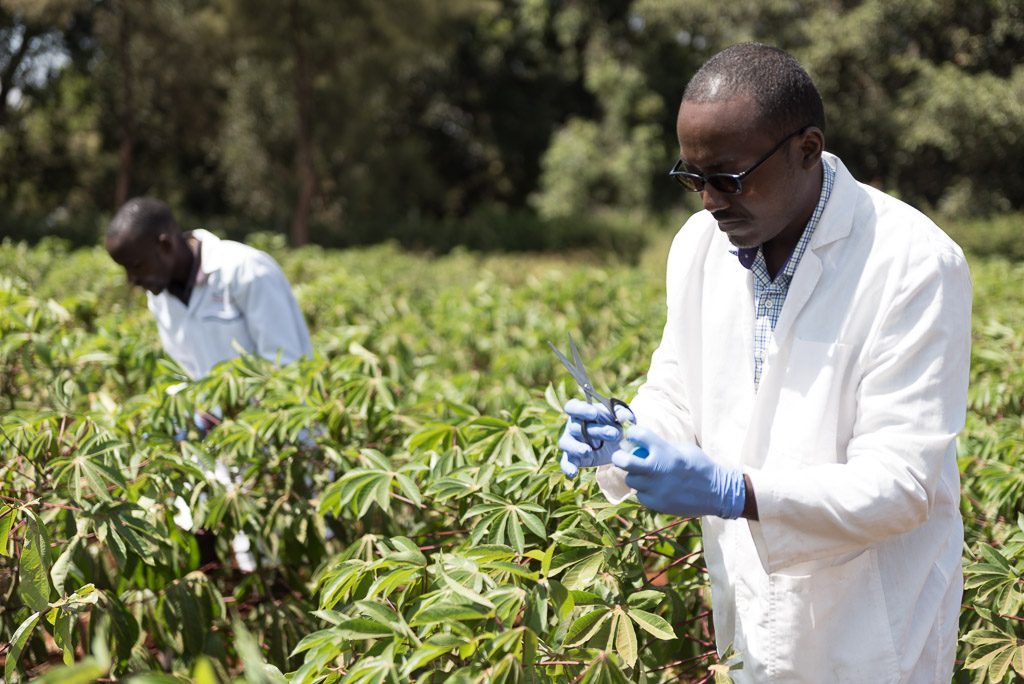
Productivity in Kenya’s agricultural sector has decreased relative to what was realized in 2016 due to weather shocks, prevalence of pests and disease, and dwindling knowledge delivery systems, among other reasons. This is according to the 2019 Kenya Economic Update released by the World Bank.
Kenya has strived to ensure food security for its citizens by boosting farmers through the agricultural sector despite having a number of loopholes which continue to frustrate the sector’s growth.
There are a number of factors, according to the Kenya Economic Update 2019, that have contributed to low productivity in the agricultural sector resulting in poor results.

Read Kenya’s Overall Agricultural Output Continues to Decline Amidst Shocks in the Sector
Prevalent use of Input Subsidies
The quality of the inputs reflects the quality of production output one ought to expect. The quality of the seed one plants; its breed, is crucial to the expected results.
The general use of input subsidies that are not aimed at, tend to crowd out other basic expenditures that are key in increasing productivity.
The latest Public Expenditure of Agriculture Sector (PEAS) report reveals that on average 22 percent of expenditures in the Agricultural sector is directed to input subsidies, mainly to fertilizers and seeds.
The subsidies are highly distorted and force out the private sector from investing in fertilizer importation and distribution in the country.
The format in which the beneficiaries are chosen is inefficient to the point that farmers holding medium-to-large sized farms are benefiting from subsidized fertilizers at the expense of smallholders.
See Also Agriculture and Improved Business Drive Kenya’s Economic Growth Up by 6.0% in 2018
The Quality of the Fertilizer
The use of fertilizer, according to the World Bank, remains low affecting productivity gains despite the government’s efforts to increase fertilizer use through subsidy programs.
Fertilizer is a key ingredient in ensuring great productivity gains though Kenya continues to lag behind with the current use of fertilizer at 30 kilograms per hectare compared to the peak of the green revolution in Asia which is averaged at over 100kilograms per hectare.
Cereal production in Kenya lags behind compared to its regional peers in East Africa which is a clear reflection of the country’s inefficiency in the sector.
Minimal adoption of modern production technology is likely to cause a high incidence of pests and diseases with examples of Fall Armyworm, Peste des Petit Ruminants (PPR), Rift Valley Fever and Contagious Bovine Pleuropneumonia (CBPP).
Related Prolonged Drought Hurting Kenyan Households as Commodity Prices Heighten
The health of the soil is also a key determiner on the quality of production. Excessive use of nitrogen-based fertilizers increases the acidity of the soil which adversely affects production.
Distorted Marketing of the Agricultural Produce
The government continues to retain an outsized role in marketing agriculture produce despite market liberalization reforms in the 1990s.
The government’s marketing of agricultural produce is majorly felt in maize produce through National Cereals and Produce Board (NCPB).
NCPB creates a heavy government presence which in turn creates loopholes for corrupt public officials and politicians who scare off participation from the private sector.
NCPB’s buying operation is based on depots spread around the country while still centered in the maize-surplus zones of the northern Rift Valley and Western Kenya. NCBP buys maize at a premium above the price offered by the market which results in double subsidy to farmers who also received subsidized fertilizers.
NCBP also released stocks by selling to milling companies at a reduced price leading to financial losses as witnessed in 2017, when the body purchased maize at 3,200 shillings per 90 Kilogram bag and released the stocks to millers at 2,600 shillings per 90 kilograms, despite incurring miscellaneous costs such as transport and storage.
See Also Kenya Economic Update: Transforming Agricultural Productivity to Achieve Food Security for All
The government had to further subsidize maize flour in 2018 after the prices spiked following a shortage of maize in the country after successive drought years.
The interventions by the government caused fiscal strain and created fear in the private sector which in turn forced out to participate in maize marketing activities.
Lack of Sufficient Land for