Kenya’s Milk Supply To Processors Falls As Demand Drops
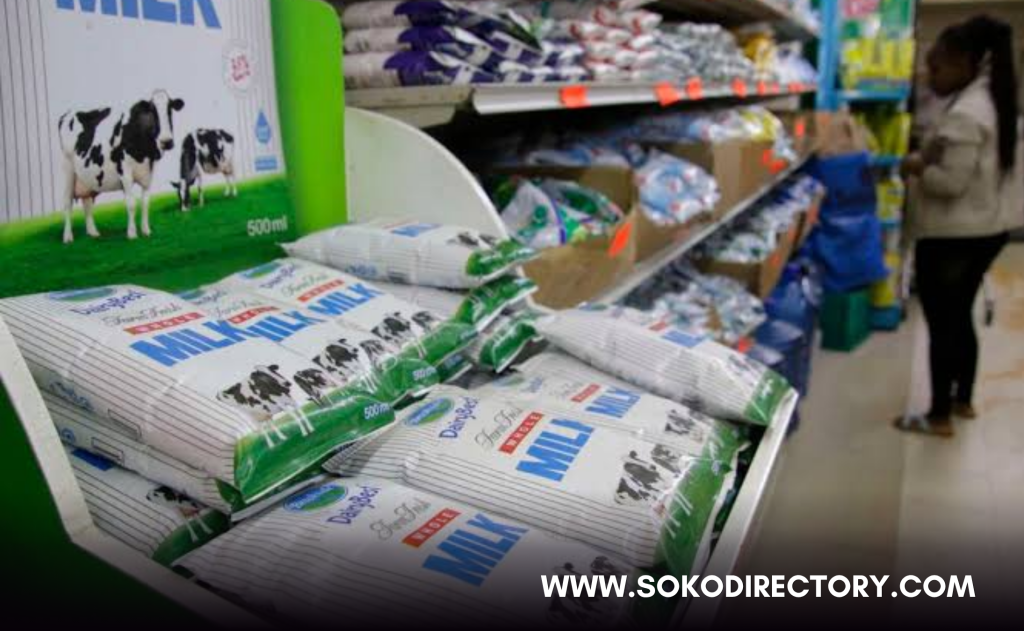
Kenya’s dairy processors took in less milk in September, a drop that adds to worries about whether the country can keep shelves stocked while a shortage drags on.
Data from the Kenya National Bureau of Statistics (KNBS) shows processors received 74.8 million litres during the month, down from 79.1 million litres in August. That is roughly 4.3 million litres lost in just four weeks. “Milk intake in the formal sector declined from 79.1 million litres in August 2026 to 74.8 million litres in September 2026,” the Leading Economic Indicators report noted.
The longer view isn’t much better. Between January and September, intake totalled 750.2 million litres, about 2 per cent below the same period last year. The report also shows that formal-sector intake has trailed 2025 levels in February, May, June, July, August and September.

The slump sits awkwardly beside the government’s own boasts. Speaking at the Third Global Parliamentary Summit on Hunger and Malnutrition on Monday, November 16, President William Ruto said Kenya had become Africa’s biggest milk producer, crediting an extra one billion litres in national output.
Figures released in September by the State Department for Livestock Development put annual production at 5.4 billion litres, up from 4.6 billion, enough to push Kenya past Egypt.
Yet more milk on paper has not meant more milk reaching processors, or packaged milk reliably reaching shoppers. In some areas, consumers are finding empty shelves in local shops, and the prices they do see have gone up.
The Kenya Dairy Board has previously blamed the falling deliveries on prolonged dry weather, which thinned pasture and fodder and cut yields on farms. There are also reports that some farmers have turned to selling directly to consumers, bypassing processors in search of better prices than factories offer.
To win those farmers back, Ruto announced that from October, farmers would be paid Ksh65 for every litre delivered, plus a quarterly bonus of Ksh2 per litre.
Read Also: Kenya’s Milk Production Rises as Supermarket Shortages Raise Supply Concerns