
Most Consumed Foods by Kenyan Households

Kenya is predominantly an agricultural country which relies mainly on agriculture for its development and livelihood.
Kenyan households spend the largest proportion of their budget on food. The largest proportion of their food budget is on staples. Although staples continue to be an important constituent of the food basket, their share in the total budget is expected to decline as incomes rise.
The food items commonly consumed by Kenyan households have been classified into the commonly known food groups namely: staples, fruits and vegetables, pulses, meat& and eggs, dairy products, oils & margarine, and beverages (soft drinks, tea/coffee).

Food consumption patterns vary according to socioeconomic level and household characteristics. In the past, traditional diets like millet, sorghum, roots and tubers were mainly consumed by low income households. On the other hand, cereals, milk, cheese, eggs, meat and sugars were for high income households, but this trend changed and at the moment, both low and high income households get to purchase and consume any of the foods.
The high-value foods such as vegetables and fruits, milk, meat, fish and eggs have been stated to be the ones receiving an increasing share of the household budget. Such diversification in the food basket (decline in staple consumption) is expected from a rise in per capita incomes and a decline in the relative prices of food items which are substitutes for cereals.

Other high-value foods such as vegetables and fruits, milk, meat, fish and eggs too are also being consumed widely by a good number of households in Kenya, thus being allocated a bigger share of the household budget.
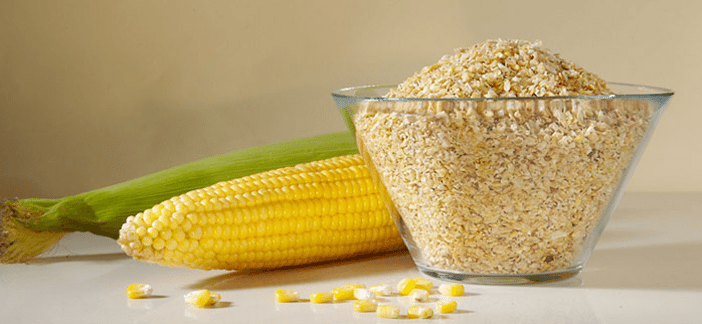
According to a survey that was conducted by Tegemeo Institute, it showed that staples were an important constituent of household’s food basket. The main staples in the diet of most Kenyan households especially those residing the urban areas included: maize in form of flour, whole grain, green maize; other cereals like wheat (chapati, mandazi, cake, spaghetti, cereals) and rice.
Food items like Irish potatoes were tend to fall into the staple meals because they are mainly consumed as a staple as opposed to a vegetable by. In the staple group of foods, cassava, sweet 10 potatoes, sorghum and millet are also included since they are widely viewed as strategic crops in Kenya, as compared to maize and other staples like wheat and rice. They also have desirable qualities like high nutrition value like millet, high calorie content like cassava, drought and heat resistant like sorghum and can produce in depleted soils that are poorly fertilized and dry.
Related: Dry Maize Prices Higher During Harvest Season in Eldoret and Kitale

About Soko Directory Team
Soko Directory is a Financial and Markets digital portal that tracks brands, listed firms on the NSE, SMEs and trend setters in the markets eco-system.Find us on Facebook: facebook.com/SokoDirectory and on Twitter: twitter.com/SokoDirectory

- January 2026 (220)
- February 2026 (246)
- March 2026 (286)
- April 2026 (66)
- January 2025 (119)
- February 2025 (191)
- March 2025 (212)
- April 2025 (193)
- May 2025 (161)
- June 2025 (157)
- July 2025 (227)
- August 2025 (211)
- September 2025 (270)
- October 2025 (297)
- November 2025 (230)
- December 2025 (219)
- January 2024 (238)
- February 2024 (227)
- March 2024 (190)
- April 2024 (133)
- May 2024 (157)
- June 2024 (145)
- July 2024 (136)
- August 2024 (154)
- September 2024 (212)
- October 2024 (255)
- November 2024 (196)
- December 2024 (143)
- January 2023 (182)
- February 2023 (203)
- March 2023 (322)
- April 2023 (297)
- May 2023 (267)
- June 2023 (214)
- July 2023 (212)
- August 2023 (257)
- September 2023 (237)
- October 2023 (264)
- November 2023 (286)
- December 2023 (177)
- January 2022 (293)
- February 2022 (329)
- March 2022 (358)
- April 2022 (292)
- May 2022 (271)
- June 2022 (232)
- July 2022 (278)
- August 2022 (253)
- September 2022 (246)
- October 2022 (196)
- November 2022 (232)
- December 2022 (167)
- January 2021 (182)
- February 2021 (227)
- March 2021 (325)
- April 2021 (259)
- May 2021 (285)
- June 2021 (272)
- July 2021 (277)
- August 2021 (232)
- September 2021 (271)
- October 2021 (304)
- November 2021 (364)
- December 2021 (249)
- January 2020 (272)
- February 2020 (310)
- March 2020 (390)
- April 2020 (321)
- May 2020 (335)
- June 2020 (327)
- July 2020 (333)
- August 2020 (276)
- September 2020 (214)
- October 2020 (233)
- November 2020 (242)
- December 2020 (187)
- January 2019 (251)
- February 2019 (215)
- March 2019 (283)
- April 2019 (254)
- May 2019 (269)
- June 2019 (249)
- July 2019 (335)
- August 2019 (293)
- September 2019 (306)
- October 2019 (313)
- November 2019 (362)
- December 2019 (318)
- January 2018 (291)
- February 2018 (213)
- March 2018 (275)
- April 2018 (223)
- May 2018 (235)
- June 2018 (176)
- July 2018 (256)
- August 2018 (247)
- September 2018 (255)
- October 2018 (282)
- November 2018 (282)
- December 2018 (184)
- January 2017 (183)
- February 2017 (194)
- March 2017 (207)
- April 2017 (104)
- May 2017 (169)
- June 2017 (205)
- July 2017 (189)
- August 2017 (195)
- September 2017 (186)
- October 2017 (235)
- November 2017 (253)
- December 2017 (266)
- January 2016 (164)
- February 2016 (165)
- March 2016 (189)
- April 2016 (143)
- May 2016 (245)
- June 2016 (182)
- July 2016 (271)
- August 2016 (247)
- September 2016 (233)
- October 2016 (191)
- November 2016 (243)
- December 2016 (153)
- January 2015 (1)
- February 2015 (4)
- March 2015 (164)
- April 2015 (107)
- May 2015 (116)
- June 2015 (119)
- July 2015 (145)
- August 2015 (157)
- September 2015 (186)
- October 2015 (169)
- November 2015 (173)
- December 2015 (205)
- March 2014 (2)
- March 2013 (10)
- June 2013 (1)
- March 2012 (7)
- April 2012 (15)
- May 2012 (1)
- July 2012 (1)
- August 2012 (4)
- October 2012 (2)
- November 2012 (2)
- December 2012 (1)