
Why Kenyan Businesses Should Prioritize on Cybersecurity

Prioritizing endless cybersecurity initiatives is not an easy task for most companies.
In Kenya, users have been exposed to endless attacks, such as the recent WannaCry ransomware virus impacting on their normal businesses.
Michael Mbuthia, Chief Information Officer at the Kenya Bankers Association KBA-IPSL in a recent fireside chat organised by SEACOM on ‘Emerging trends in technology, key lessons from 2017 and Trends to watch in 2018,” security topped on the list of technology trend to watch.
Other trends highlighted include system infrastructure, cloud computing, cognitive computing, mobile devices, internet of things and analytics.
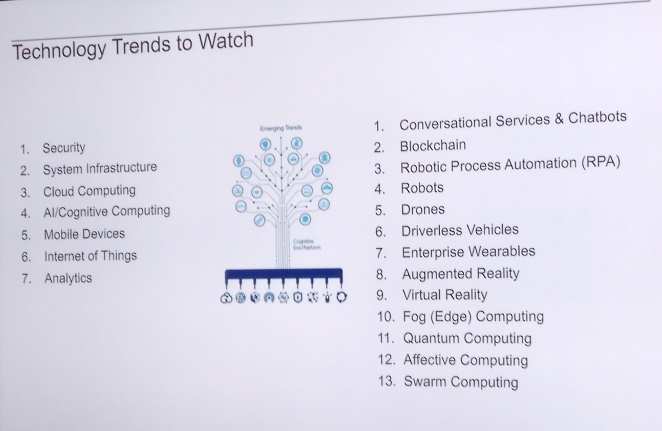
Mbuthia said with security ranking top, companies or organisations that have not invested to protect themselves, any breach “Can potentially wreak havoc on businesses, represent one of many IT security trends professionals need to think about when protecting their organizations,” he noted.

Data from the Breach Level Index shows that globally, data records lost or stolen since 2013 to date are 1,901,866,611 “less than 5 per cent of breaches were “Secure Breaches” where encryption rendered the stolen data was rendered useless.” reads part of the data records compromised in the first half of 2017.
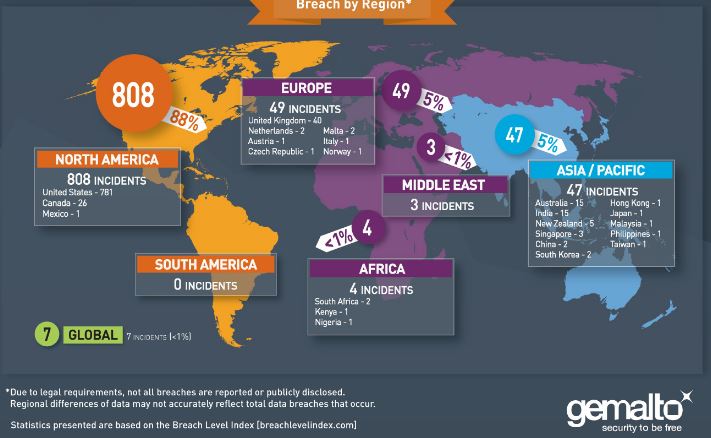
In its 2017 half year report, Africa had four data breaches, down 33 percent. Kenya had 134,000 records with one major incident.
The firm observes that many of the breaches are the result of accidental loss or inside threats. A large portion of accidental loss are the result of poor internal security practices or unsecure databases.
“There are three steps that every company should take to mitigate the overall cost and adverse consequences that result from a security breach. Encrypt all sensitive data at rest and in motion, and securely store and manage all of your encryption keys. Control access and authentication of users.”
In Kenya, Insurance broker (Aon Kenya) now Minet Kenya launched the Aon Cyber Enterprise Solution aimed at protecting businesses from cyber risk.
The product covers physical property damage, products liability, business interruption or supply chain disruption from cyber-attacks.
“Data is an organisation’s most valuable asset but it’s also the most vulnerable asset. However, as businesses and companies grow, so do their exposure to cyber risk. This simply means that that as the value of a business grows, it raises its profile among hackers,” said Sammy Muthui chief executive officer.

About David Indeje
David Indeje is a writer and editor, with interests on how technology is changing journalism, government, Health, and Gender Development stories are his passion. Follow on Twitter @David_IndejeDavid can be reached on: (020) 528 0222 / Email: info@sokodirectory.com

- January 2026 (220)
- February 2026 (246)
- March 2026 (286)
- April 2026 (66)
- January 2025 (119)
- February 2025 (191)
- March 2025 (212)
- April 2025 (193)
- May 2025 (161)
- June 2025 (157)
- July 2025 (227)
- August 2025 (211)
- September 2025 (270)
- October 2025 (297)
- November 2025 (230)
- December 2025 (219)
- January 2024 (238)
- February 2024 (227)
- March 2024 (190)
- April 2024 (133)
- May 2024 (157)
- June 2024 (145)
- July 2024 (136)
- August 2024 (154)
- September 2024 (212)
- October 2024 (255)
- November 2024 (196)
- December 2024 (143)
- January 2023 (182)
- February 2023 (203)
- March 2023 (322)
- April 2023 (297)
- May 2023 (267)
- June 2023 (214)
- July 2023 (212)
- August 2023 (257)
- September 2023 (237)
- October 2023 (264)
- November 2023 (286)
- December 2023 (177)
- January 2022 (293)
- February 2022 (329)
- March 2022 (358)
- April 2022 (292)
- May 2022 (271)
- June 2022 (232)
- July 2022 (278)
- August 2022 (253)
- September 2022 (246)
- October 2022 (196)
- November 2022 (232)
- December 2022 (167)
- January 2021 (182)
- February 2021 (227)
- March 2021 (325)
- April 2021 (259)
- May 2021 (285)
- June 2021 (272)
- July 2021 (277)
- August 2021 (232)
- September 2021 (271)
- October 2021 (304)
- November 2021 (364)
- December 2021 (249)
- January 2020 (272)
- February 2020 (310)
- March 2020 (390)
- April 2020 (321)
- May 2020 (335)
- June 2020 (327)
- July 2020 (333)
- August 2020 (276)
- September 2020 (214)
- October 2020 (233)
- November 2020 (242)
- December 2020 (187)
- January 2019 (251)
- February 2019 (215)
- March 2019 (283)
- April 2019 (254)
- May 2019 (269)
- June 2019 (249)
- July 2019 (335)
- August 2019 (293)
- September 2019 (306)
- October 2019 (313)
- November 2019 (362)
- December 2019 (318)
- January 2018 (291)
- February 2018 (213)
- March 2018 (275)
- April 2018 (223)
- May 2018 (235)
- June 2018 (176)
- July 2018 (256)
- August 2018 (247)
- September 2018 (255)
- October 2018 (282)
- November 2018 (282)
- December 2018 (184)
- January 2017 (183)
- February 2017 (194)
- March 2017 (207)
- April 2017 (104)
- May 2017 (169)
- June 2017 (205)
- July 2017 (189)
- August 2017 (195)
- September 2017 (186)
- October 2017 (235)
- November 2017 (253)
- December 2017 (266)
- January 2016 (164)
- February 2016 (165)
- March 2016 (189)
- April 2016 (143)
- May 2016 (245)
- June 2016 (182)
- July 2016 (271)
- August 2016 (247)
- September 2016 (233)
- October 2016 (191)
- November 2016 (243)
- December 2016 (153)
- January 2015 (1)
- February 2015 (4)
- March 2015 (164)
- April 2015 (107)
- May 2015 (116)
- June 2015 (119)
- July 2015 (145)
- August 2015 (157)
- September 2015 (186)
- October 2015 (169)
- November 2015 (173)
- December 2015 (205)
- March 2014 (2)
- March 2013 (10)
- June 2013 (1)
- March 2012 (7)
- April 2012 (15)
- May 2012 (1)
- July 2012 (1)
- August 2012 (4)
- October 2012 (2)
- November 2012 (2)
- December 2012 (1)