
Dear Entrepreneur, Here Are 12 Marketing Lessons From Steve Jobs
KEY POINTS
As a natural leader, he believed in creating the next big thing as opposed to following trends. His idea wasn’t to just differentiate Apple from competitors but to create a global movement that ended up changing the tech space.
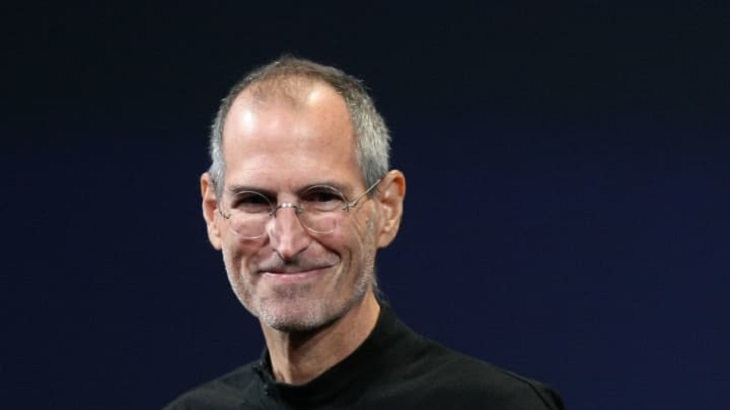
Steve Jobs has had an unquestionably huge impact on the world. During his life, he was named the most powerful person in business by Fortune, made the Time Magazine list of the world’s 100 most influential people on three separate occasions, and was even awarded the National Medal of Technology.
However, while he was undoubtedly a technological genius, one of his main strengths was his marketing ability.
He led the greatest turnaround in corporate history, taking a near-bankrupt Apple and turning it into one of the largest and most profitable companies in the world, but he didn’t look that great on paper.

Steve Jobs not only represents a brand but a generation of users who follow in the footsteps of his creativity.
The impact that he had on everyone’s lives can never be overestimated. Although you are not always aware of it, his innovations have affected everything around you, from movies to computers, music, and mobile phones.
- Make a great product
What Steve did that few marketers understand is that he first created a great product. A good product must have a solid value proposition and solve a real problem, be understandable by users, perform their task as easily and efficiently as possible, and become better and harder to part with the more they are used.
- Be a problem solver
Steve Jobs understood that consumer problem-solving is key to delivering real value. He believed in producing useful, consumer-centric products that solve genuine problems. From iPhones to iPads, his focus was always creating something of value for the end-user, that surpasses customer expectations.
- Take risks
As a natural leader, he believed in creating the next big thing as opposed to following trends. His idea wasn’t to just differentiate Apple from competitors but to create a global movement that ended up changing the tech space.
- Focus on the Experience
Focus on creating a universe of sensations, experiences, and values that the person gets when they buy your product. Analyze how it feels to use and buy your products, and think about what you need to improve, and what you need to focus on
- Be creative
Steve Job’s creativity was at the core of his personality. He was known to idolize the likes of Pablo Picasso. From the company’s branding to its product development and messaging, Steve’s creativity undoubtedly contributed to the company’s success.
- Stay focused on one thing at a time
What Internet marketers must learn from Steve Jobs is the importance of focusing on the most important marketing tactics. Simply speculate what will work best for your business niche and give your 100 percent focus
- Learn from your Customers
Steve knew marketing experts don’t tend to work in accordance with the needs of their customers. Therefore, he appreciated customer surveys and always focused on knowing exactly what type of product his customers wanted
- Keep Things Simple
Simple can be harder than complex. But it’s worth it in the end because once you get there, you can move m Mountains
- Master the Message
You can have a great product but if communication fails, it’s like watching a stand-up comedian do a gig in a completely different language. Jobs gave us some of the best speeches in corporate history
- Find an Enemy
The desire to belong and to explain the disorder of the world makes consumers feel better about belonging to the ideology of a brand that matches their own thoughts and values. If you don’t stand up for what you believe in, you’ll go unnoticed.
- You Don’t Have to be the First, but “You’ve Got to be the Best
Even though other competition was already on the market, Apple took those same products and improved the user experience, navigability, weight, packaging, and distribution channel
- Decisions Should be Made by a Group, Not a Committee
Important decisions should be made by a group designated to decision making. A small group who trusts in each other and in their instincts because they are all immersed in the company’s objectives. You should always encourage the team to discuss ideas, but then only leave those most suitable to make the final decisions.
Read More: Dear Entrepreneur, Here Are 10 Ways To Master Your Mindset

- January 2026 (220)
- February 2026 (246)
- March 2026 (286)
- April 2026 (42)
- January 2025 (119)
- February 2025 (191)
- March 2025 (212)
- April 2025 (193)
- May 2025 (161)
- June 2025 (157)
- July 2025 (227)
- August 2025 (211)
- September 2025 (270)
- October 2025 (297)
- November 2025 (230)
- December 2025 (219)
- January 2024 (238)
- February 2024 (227)
- March 2024 (190)
- April 2024 (133)
- May 2024 (157)
- June 2024 (145)
- July 2024 (136)
- August 2024 (154)
- September 2024 (212)
- October 2024 (255)
- November 2024 (196)
- December 2024 (143)
- January 2023 (182)
- February 2023 (203)
- March 2023 (322)
- April 2023 (297)
- May 2023 (267)
- June 2023 (214)
- July 2023 (212)
- August 2023 (257)
- September 2023 (237)
- October 2023 (264)
- November 2023 (286)
- December 2023 (177)
- January 2022 (293)
- February 2022 (329)
- March 2022 (358)
- April 2022 (292)
- May 2022 (271)
- June 2022 (232)
- July 2022 (278)
- August 2022 (253)
- September 2022 (246)
- October 2022 (196)
- November 2022 (232)
- December 2022 (167)
- January 2021 (182)
- February 2021 (227)
- March 2021 (325)
- April 2021 (259)
- May 2021 (285)
- June 2021 (272)
- July 2021 (277)
- August 2021 (232)
- September 2021 (271)
- October 2021 (304)
- November 2021 (364)
- December 2021 (249)
- January 2020 (272)
- February 2020 (310)
- March 2020 (390)
- April 2020 (321)
- May 2020 (335)
- June 2020 (327)
- July 2020 (333)
- August 2020 (276)
- September 2020 (214)
- October 2020 (233)
- November 2020 (242)
- December 2020 (187)
- January 2019 (251)
- February 2019 (215)
- March 2019 (283)
- April 2019 (254)
- May 2019 (269)
- June 2019 (249)
- July 2019 (335)
- August 2019 (293)
- September 2019 (306)
- October 2019 (313)
- November 2019 (362)
- December 2019 (318)
- January 2018 (291)
- February 2018 (213)
- March 2018 (275)
- April 2018 (223)
- May 2018 (235)
- June 2018 (176)
- July 2018 (256)
- August 2018 (247)
- September 2018 (255)
- October 2018 (282)
- November 2018 (282)
- December 2018 (184)
- January 2017 (183)
- February 2017 (194)
- March 2017 (207)
- April 2017 (104)
- May 2017 (169)
- June 2017 (205)
- July 2017 (189)
- August 2017 (195)
- September 2017 (186)
- October 2017 (235)
- November 2017 (253)
- December 2017 (266)
- January 2016 (164)
- February 2016 (165)
- March 2016 (189)
- April 2016 (143)
- May 2016 (245)
- June 2016 (182)
- July 2016 (271)
- August 2016 (247)
- September 2016 (233)
- October 2016 (191)
- November 2016 (243)
- December 2016 (153)
- January 2015 (1)
- February 2015 (4)
- March 2015 (164)
- April 2015 (107)
- May 2015 (116)
- June 2015 (119)
- July 2015 (145)
- August 2015 (157)
- September 2015 (186)
- October 2015 (169)
- November 2015 (173)
- December 2015 (205)
- March 2014 (2)
- March 2013 (10)
- June 2013 (1)
- March 2012 (7)
- April 2012 (15)
- May 2012 (1)
- July 2012 (1)
- August 2012 (4)
- October 2012 (2)
- November 2012 (2)
- December 2012 (1)