
How Tech Is Transforming Container Freight Stations Into Logistical Powerhouses
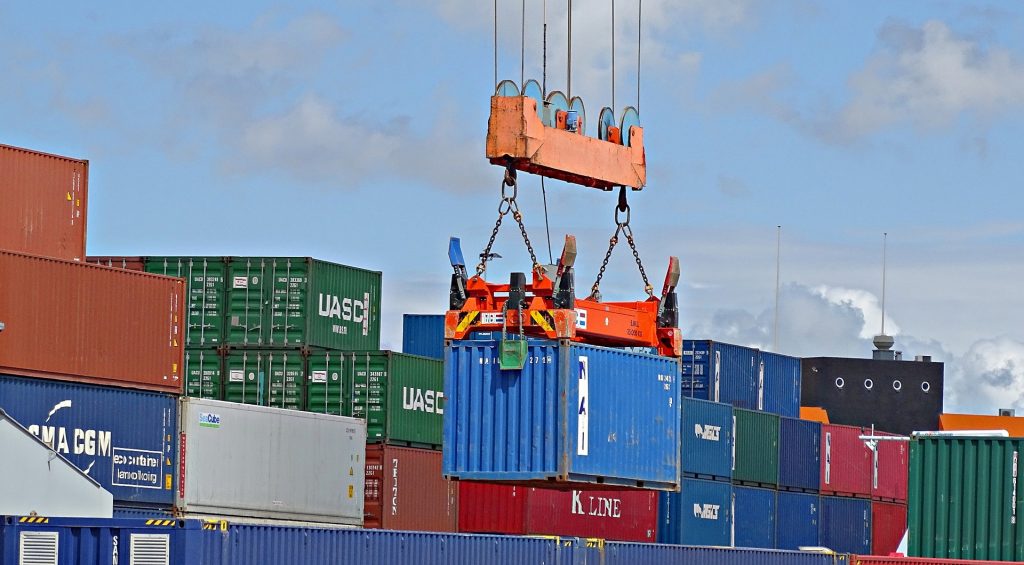
Container Freight Stations (CFSs) have been the unsung heroes of the logistics industry for decades. These distribution facilities, where import and export cargoes are grouped and separated, have quietly played a vital role in the efficient movement of goods across international borders for years. However, in recent years, CFSs have undergone a remarkable transformation, adapting to new technologies and innovations that have revolutionized the sector.
As the logistics industry witnessed significant technological advancements, CFSs quickly embraced these changes. Automated systems for container handling, loading, and unloading became the norm, reducing manual labor, minimizing errors, and increasing productivity. Imagine the precision of a well-choreographed dance as containers are moved quickly and safely, reducing the risk of damage or loss during transportation. These advanced systems have streamlined operations, allowing CFSs to handle larger volumes of cargo with greater efficiency than ever before.
Real-time tracking systems have taken the guesswork out of shipment monitoring. Customers can now track their goods from origin to destination, ensuring timely delivery and reducing the risk of delays. These advanced systems also help in identifying and resolving any issues that may arise during transit, providing a level of transparency that was once unimaginable. By offering real-time updates on the location and status of shipments, CFSs can provide their customers with peace of mind and better control over their supply chains.

The integration of digital documentation has streamlined customs clearance processes, making it easier for CFSs to handle these procedures electronically. Gone are the days of drowning in paperwork; now, resources can be dedicated to other critical tasks, enhancing overall efficiency. It is a win-win situation for both CFSs and their customers. By automating customs clearance, CFSs can reduce delays and errors, while also freeing up staff to focus on other value-added services.
But the real game-changers are the integration of Artificial Intelligence (AI) and Machine Learning (ML) into CFS operations. These cutting-edge technologies are optimizing processes and improving decision-making like never before. Imagine an AI-powered predictive maintenance system that can detect potential issues with containers before they become major problems, reducing downtime and maintenance costs. It is like having a crystal ball for container management. AI and ML are enabling CFSs to anticipate and respond to challenges more effectively, while also identifying opportunities for continuous improvement.
The impact of these technological advancements on the services offered by CFSs has been nothing short of remarkable. Efficiency has skyrocketed, with faster turnaround times, reduced costs, and improved customer satisfaction. Security measures, such as AI-powered surveillance systems, have enhanced the safety of goods stored at CFSs, ensuring that they are handled with the utmost care and reducing the risk of theft or damage during transit. By leveraging technology to streamline operations and enhance security, CFSs can provide their customers with a higher level of service and peace of mind.
But perhaps the most significant impact has been on the customer experience. Real-time tracking and digital documentation have provided customers with unprecedented transparency and control over their shipments. They can now monitor their goods from anywhere, ensuring that their needs are met efficiently and effectively. It is a level of service that was once unimaginable, and it is all thanks to the technological revolution sweeping through the CFS industry. By putting customers at the center of their operations and leveraging technology to enhance the customer experience, CFSs are setting a new standard for excellence in the logistics industry.
As the logistics industry continues to evolve, CFSs will need to stay at the forefront of technological advancements to maintain their competitive edge. By leveraging these innovations, CFSs can continue to provide high-quality services that meet the demands of a globalized economy. The future of logistics is bright, and CFSs are leading the charge into a new era of efficiency, security, and customer satisfaction. As the world becomes more interconnected and the demand for fast, reliable shipping continues to grow, the role of CFSs will only become more important. By embracing technology and putting the customer first, CFSs are poised to play a crucial role in shaping the future of the logistics industry.
Read Also: Combating Illegal, Unreported, And Unregulated Fishing In Kenyan Waters: Efforts And Challenges
By Alex Kipngetich | General Manager | Container Freight Stations – Siginon Group
Email: Alex@kencont.com

About Soko Directory Team
Soko Directory is a Financial and Markets digital portal that tracks brands, listed firms on the NSE, SMEs and trend setters in the markets eco-system.Find us on Facebook: facebook.com/SokoDirectory and on Twitter: twitter.com/SokoDirectory

- January 2026 (220)
- February 2026 (246)
- March 2026 (286)
- April 2026 (66)
- January 2025 (119)
- February 2025 (191)
- March 2025 (212)
- April 2025 (193)
- May 2025 (161)
- June 2025 (157)
- July 2025 (227)
- August 2025 (211)
- September 2025 (270)
- October 2025 (297)
- November 2025 (230)
- December 2025 (219)
- January 2024 (238)
- February 2024 (227)
- March 2024 (190)
- April 2024 (133)
- May 2024 (157)
- June 2024 (145)
- July 2024 (136)
- August 2024 (154)
- September 2024 (212)
- October 2024 (255)
- November 2024 (196)
- December 2024 (143)
- January 2023 (182)
- February 2023 (203)
- March 2023 (322)
- April 2023 (297)
- May 2023 (267)
- June 2023 (214)
- July 2023 (212)
- August 2023 (257)
- September 2023 (237)
- October 2023 (264)
- November 2023 (286)
- December 2023 (177)
- January 2022 (293)
- February 2022 (329)
- March 2022 (358)
- April 2022 (292)
- May 2022 (271)
- June 2022 (232)
- July 2022 (278)
- August 2022 (253)
- September 2022 (246)
- October 2022 (196)
- November 2022 (232)
- December 2022 (167)
- January 2021 (182)
- February 2021 (227)
- March 2021 (325)
- April 2021 (259)
- May 2021 (285)
- June 2021 (272)
- July 2021 (277)
- August 2021 (232)
- September 2021 (271)
- October 2021 (304)
- November 2021 (364)
- December 2021 (249)
- January 2020 (272)
- February 2020 (310)
- March 2020 (390)
- April 2020 (321)
- May 2020 (335)
- June 2020 (327)
- July 2020 (333)
- August 2020 (276)
- September 2020 (214)
- October 2020 (233)
- November 2020 (242)
- December 2020 (187)
- January 2019 (251)
- February 2019 (215)
- March 2019 (283)
- April 2019 (254)
- May 2019 (269)
- June 2019 (249)
- July 2019 (335)
- August 2019 (293)
- September 2019 (306)
- October 2019 (313)
- November 2019 (362)
- December 2019 (318)
- January 2018 (291)
- February 2018 (213)
- March 2018 (275)
- April 2018 (223)
- May 2018 (235)
- June 2018 (176)
- July 2018 (256)
- August 2018 (247)
- September 2018 (255)
- October 2018 (282)
- November 2018 (282)
- December 2018 (184)
- January 2017 (183)
- February 2017 (194)
- March 2017 (207)
- April 2017 (104)
- May 2017 (169)
- June 2017 (205)
- July 2017 (189)
- August 2017 (195)
- September 2017 (186)
- October 2017 (235)
- November 2017 (253)
- December 2017 (266)
- January 2016 (164)
- February 2016 (165)
- March 2016 (189)
- April 2016 (143)
- May 2016 (245)
- June 2016 (182)
- July 2016 (271)
- August 2016 (247)
- September 2016 (233)
- October 2016 (191)
- November 2016 (243)
- December 2016 (153)
- January 2015 (1)
- February 2015 (4)
- March 2015 (164)
- April 2015 (107)
- May 2015 (116)
- June 2015 (119)
- July 2015 (145)
- August 2015 (157)
- September 2015 (186)
- October 2015 (169)
- November 2015 (173)
- December 2015 (205)
- March 2014 (2)
- March 2013 (10)
- June 2013 (1)
- March 2012 (7)
- April 2012 (15)
- May 2012 (1)
- July 2012 (1)
- August 2012 (4)
- October 2012 (2)
- November 2012 (2)
- December 2012 (1)