
DISH Competition 2024 Launched In Kenya And Indonesia
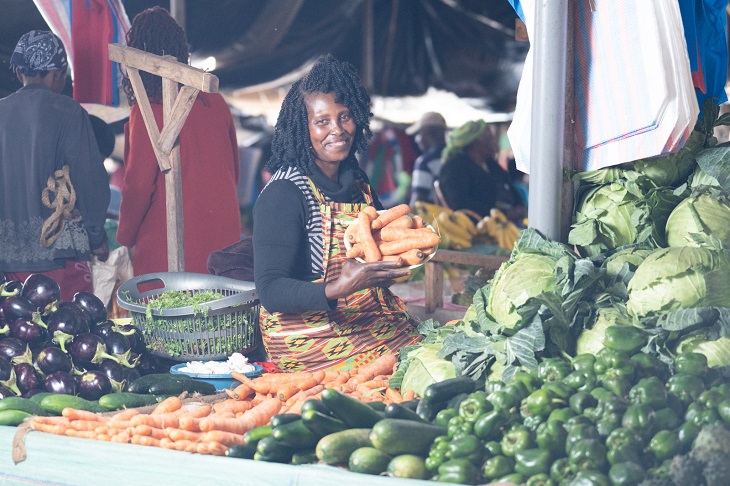
The Global Alliance for Improved Nutrition (GAIN), EAT, Food & Land Use Coalition (FOLU) and Nutrition Connect are thrilled to announce the launch of the Dietary Shifts Competition (DISH) 2024.
Dietary shifts are urgently needed in Kenya and Indonesia to tackle the triple burden of malnutrition, undernutrition, overnutrition, and micronutrient deficiencies while addressing local and global environmental and climate issues. The numbers are grim: 23 million Kenyans are undernourished while 18% of children under age five are stunted, 5% are wasted,10% are underweight, 17% of women, and 4% of men (20-49 years of age) are obese. In Indonesia,10.9 % of adult women and 6.3% of adult men are living with obesity. While 24.4 % of children under age five are stunted and 11% are wasted.
The DISH Competition invites food system stakeholders to submit already tried and tested evidence-based solutions to promote healthy and sustainable dietary changes in Kenya and Indonesia. Each country will unveil 15 solutions that are improving the unique dietary needs of the population. Pitched solutions should align with the national recommendations for improved health and nutrition in Kenya and Indonesia. During the competition, participants will collaborate with experts from the government, the private sector, and civil society. The desired outcome is to build on new transformative partnerships for systemic change leading to impactful and long-lasting dietary shifts.

Celebrating the launch, Lawrence Haddad, Executive Director at GAIN said “We all make dozens of decisions every day about what to eat. Too many of us choose unhealthy options, even if we know better. Over time these decisions are harmful to us and the ones we love. If you have an unusual, innovative, and out-of-the-box idea about how to nudge and steer those decisions towards health we want to hear from you”.
The DISH Competition seeks solutions and innovative initiatives that are locally acceptable and actionable and encourages people in Kenya and Indonesia to shift to healthier diets, in closer alignment with the Planetary Health Diet, the global reference diet that came out of the groundbreaking 2019 EAT-Lancet Commission on Food, Planet, Health. The Planetary Health Diet recommendations are flexible and can be tailored to the local context while providing guidelines to a range of different food groups that constitute an optimal diet for human health and environmental sustainability.
Laying emphasis on the relevance of the competition in this context, Lujain Alqodmani, Chief Action Officer at EAT said, “Shifting towards healthy and sustainable diets, as outlined by the Planetary Health Diet, may seem complex, but it is made possible through the collective expertise, passion, and commitment of local actors. DISH provides a unique platform to hear directly from these leaders and to support the implementation of systemic solutions that protect both human health and the health of our planet.”
The competition has five categories for participation across Policy and advocacy, Advertisement and culturally relevant strategies, Food services interventions, Culinary skills, and Product-level interventions. It invites entrepreneurs, companies, policymakers, think tanks, chefs, leaders in the food service and restaurant industry, communication and marketing experts, and other food system actors to submit by October 31, 2024, solutions that encourage positive dietary shifts.
Aligning the competition with the objectives of food diversity and sustainable land use, Michael Onchabo, Director at FOLU, Kenya said “Small shifts in our diets can spark big changes in our food and land use systems, enhancing both our health and the well-being of our planet. Let’s embrace a sustainable way of eating today for a healthier, more resilient tomorrow.”
This competition marks the start of a long-term engagement, with many benefits for the finalists, including an appreciation award of USD 1000 each; recognition at key global platforms, national and international level media coverage; mentorship with subject matter experts; and networking with like-minded participants for knowledge sharing. The 15 finalists from each country will also have the option to enter Phase 2 of the DISH Competition in 2025 for further shortlisting and showcasing of the winning entries at global events and platforms.
The Competition launches alongside the new DISH Report that provides key insights into dietary challenges and solutions facing Kenya and Indonesia. According to the report, barriers to dietary shifts in Kenya and Indonesia include political challenges, economic constraints like poverty and resulting low access, limited government support, poor infrastructure hindering access to fresh produce, and some cultural factors adversely influencing dietary preferences.
Read Also: Exploring The Superiority Dishwashing Technology In Kenya

About Soko Directory Team
Soko Directory is a Financial and Markets digital portal that tracks brands, listed firms on the NSE, SMEs and trend setters in the markets eco-system.Find us on Facebook: facebook.com/SokoDirectory and on Twitter: twitter.com/SokoDirectory

- January 2026 (220)
- February 2026 (243)
- March 2026 (143)
- January 2025 (119)
- February 2025 (191)
- March 2025 (212)
- April 2025 (193)
- May 2025 (161)
- June 2025 (157)
- July 2025 (227)
- August 2025 (211)
- September 2025 (270)
- October 2025 (297)
- November 2025 (230)
- December 2025 (219)
- January 2024 (238)
- February 2024 (227)
- March 2024 (190)
- April 2024 (133)
- May 2024 (157)
- June 2024 (145)
- July 2024 (136)
- August 2024 (154)
- September 2024 (212)
- October 2024 (255)
- November 2024 (196)
- December 2024 (143)
- January 2023 (182)
- February 2023 (203)
- March 2023 (322)
- April 2023 (297)
- May 2023 (267)
- June 2023 (214)
- July 2023 (212)
- August 2023 (257)
- September 2023 (237)
- October 2023 (264)
- November 2023 (286)
- December 2023 (177)
- January 2022 (293)
- February 2022 (329)
- March 2022 (358)
- April 2022 (292)
- May 2022 (271)
- June 2022 (232)
- July 2022 (278)
- August 2022 (253)
- September 2022 (246)
- October 2022 (196)
- November 2022 (232)
- December 2022 (167)
- January 2021 (182)
- February 2021 (227)
- March 2021 (325)
- April 2021 (259)
- May 2021 (285)
- June 2021 (272)
- July 2021 (277)
- August 2021 (232)
- September 2021 (271)
- October 2021 (304)
- November 2021 (364)
- December 2021 (249)
- January 2020 (272)
- February 2020 (310)
- March 2020 (390)
- April 2020 (321)
- May 2020 (335)
- June 2020 (327)
- July 2020 (333)
- August 2020 (276)
- September 2020 (214)
- October 2020 (233)
- November 2020 (242)
- December 2020 (187)
- January 2019 (251)
- February 2019 (215)
- March 2019 (283)
- April 2019 (254)
- May 2019 (269)
- June 2019 (249)
- July 2019 (335)
- August 2019 (293)
- September 2019 (306)
- October 2019 (313)
- November 2019 (362)
- December 2019 (318)
- January 2018 (291)
- February 2018 (213)
- March 2018 (275)
- April 2018 (223)
- May 2018 (235)
- June 2018 (176)
- July 2018 (256)
- August 2018 (247)
- September 2018 (255)
- October 2018 (282)
- November 2018 (282)
- December 2018 (184)
- January 2017 (183)
- February 2017 (194)
- March 2017 (207)
- April 2017 (104)
- May 2017 (169)
- June 2017 (205)
- July 2017 (189)
- August 2017 (195)
- September 2017 (186)
- October 2017 (235)
- November 2017 (253)
- December 2017 (266)
- January 2016 (164)
- February 2016 (165)
- March 2016 (189)
- April 2016 (143)
- May 2016 (245)
- June 2016 (182)
- July 2016 (271)
- August 2016 (247)
- September 2016 (233)
- October 2016 (191)
- November 2016 (243)
- December 2016 (153)
- January 2015 (1)
- February 2015 (4)
- March 2015 (164)
- April 2015 (107)
- May 2015 (116)
- June 2015 (119)
- July 2015 (145)
- August 2015 (157)
- September 2015 (186)
- October 2015 (169)
- November 2015 (173)
- December 2015 (205)
- March 2014 (2)
- March 2013 (10)
- June 2013 (1)
- March 2012 (7)
- April 2012 (15)
- May 2012 (1)
- July 2012 (1)
- August 2012 (4)
- October 2012 (2)
- November 2012 (2)
- December 2012 (1)