
Government Sells 15% Of Its Stake In Safaricom To Vodafone For KSh 244.5 Billion
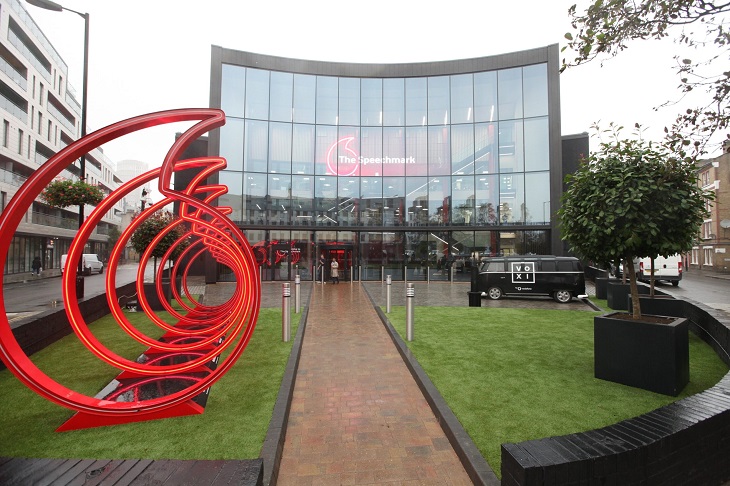
Vodafone has acquired the Government of Kenya’s (GoK) 15 percent stake in Safaricom for KSh 244.5 billion, reshaping the shareholding structure of East Africa’s most profitable company and injecting substantial capital into Kenya’s long-term development plans.
Under the new structure, Vodafone now commands a 55 percent majority stake, while the Government retains 20 percent and the public, through the Nairobi Securities Exchange (NSE), holds 25 percent.
While the sale sparked immediate public debate—especially given Safaricom’s status as a national corporate icon—analysts and government officials insist the transaction is not only sound but also strategically aligned to Kenya’s urgent fiscal and development needs.

A Premium Deal That Strengthens Kenya’s Fiscal Position
The KSh 244.5 billion payout represents a premium purchase, with Vodafone buying the shares at KSh 34 apiece—23.6 percent above Safaricom’s six-month volume weighted average price. For the Treasury, this premium signals strong investor confidence in Kenya’s telecom and fintech future.
Since Safaricom’s inception, the Government has already made more than KSh 540 billion in dividend earnings. Offloading 15 percent of its stake allows GoK to unlock immediate capital without increasing taxes or accumulating new debt—a crucial consideration in an economy navigating global shocks, tightening fiscal space, and rising development demands.
“This is a shareholder-level adjustment, not an operational takeover,” Treasury Cabinet Secretary Mbai emphasized. “Government retains a strategic 20 percent stake, ongoing dividend rights, and influence in governance. National interests remain firmly protected.”
Vodafone’s Added Value Beyond Capital
Beyond the financial premium, the transaction is expected to deepen Safaricom’s capacity to compete globally. Vodafone brings extensive experience in telecom innovation, regional market integration, and digital infrastructure—strengths that analysts say will position Safaricom for its next phase of growth in mobile money, 5G, enterprise solutions, and future technologies.
With Vodafone now the clear majority shareholder, Safaricom gains an anchor investor capable of mobilizing capital, transferring knowledge, and accelerating the company’s expansion strategy. “It is not just money,” a senior official noted. “It is strategic value—deep expertise, stability, and global competitiveness.”
Importantly, Safaricom’s management and Board retain control of day-to-day operations, with no changes to the company’s governance structure.
Proceeds Ring-Fenced for the Sovereign Wealth Fund and Infrastructure Fund
Perhaps the most consequential element of the deal is what the Government plans to do with the money.
Unlike previous privatisation proceeds—which Presidents, economists, and auditors say were often absorbed into recurrent expenditure—the KSh 244.5 billion will be ring-fenced and invested through the National Infrastructure Fund and the Sovereign Wealth Fund.
In his recent State of the Nation Address, President William Ruto underscored why this shift is historic.
“For decades, Kenya has privatised major public assets—from Kenya Airways and KenGen, to Kenya Re and Safaricom. Yet we cannot point to enduring national assets built from privatisation proceeds, because the funds were absorbed into budgets and spent,” he said.
He stressed that the new funds will be protected, preserved, and reinvested into wealth-creating assets. “For every shilling invested from privatisation proceeds, we aim to attract ten shillings from long-term investors—pension funds, sovereign partners, private equity, and development finance institutions.”
Additionally, Vodafone Kenya will make an upfront dividend compensation payment to the Government instead of future dividends on the remaining 20 percent shareholding. This provides short-term fiscal relief while safeguarding long-term returns.
Why Not Sell to Kenyans?
The Government clarified that selling locally was considered but not viable for three reasons:
Vodafone’s premium offer made it the most financially prudent option.
Kenyans are already represented, collectively holding 45 percent through GoK and public investors, almost matching Vodafone’s 55 percent.
Strategic value outweighed sentiment, with Vodafone offering technology leadership and global capability.
Safeguarding National Security and Strategic Assets
Despite concerns from some quarters, officials emphasized that critical infrastructure—including M-Pesa operations, emergency communication networks, and national data systems—remains under existing contractual safeguards. Government influence through its 20 percent stake ensures continued oversight on strategic matters and preservation of national heritage.
“This is not a loss of control,” CS Mbai reiterated. “It is a strategic rebalancing that protects Kenya’s interests while delivering maximum value.”
Read Also: Vivo Energy Kenya And Safaricom Partner To Unlock Value For Drivers

About Soko Directory Team
Soko Directory is a Financial and Markets digital portal that tracks brands, listed firms on the NSE, SMEs and trend setters in the markets eco-system.Find us on Facebook: facebook.com/SokoDirectory and on Twitter: twitter.com/SokoDirectory

- January 2026 (220)
- February 2026 (243)
- March 2026 (226)
- January 2025 (119)
- February 2025 (191)
- March 2025 (212)
- April 2025 (193)
- May 2025 (161)
- June 2025 (157)
- July 2025 (227)
- August 2025 (211)
- September 2025 (270)
- October 2025 (297)
- November 2025 (230)
- December 2025 (219)
- January 2024 (238)
- February 2024 (227)
- March 2024 (190)
- April 2024 (133)
- May 2024 (157)
- June 2024 (145)
- July 2024 (136)
- August 2024 (154)
- September 2024 (212)
- October 2024 (255)
- November 2024 (196)
- December 2024 (143)
- January 2023 (182)
- February 2023 (203)
- March 2023 (322)
- April 2023 (297)
- May 2023 (267)
- June 2023 (214)
- July 2023 (212)
- August 2023 (257)
- September 2023 (237)
- October 2023 (264)
- November 2023 (286)
- December 2023 (177)
- January 2022 (293)
- February 2022 (329)
- March 2022 (358)
- April 2022 (292)
- May 2022 (271)
- June 2022 (232)
- July 2022 (278)
- August 2022 (253)
- September 2022 (246)
- October 2022 (196)
- November 2022 (232)
- December 2022 (167)
- January 2021 (182)
- February 2021 (227)
- March 2021 (325)
- April 2021 (259)
- May 2021 (285)
- June 2021 (272)
- July 2021 (277)
- August 2021 (232)
- September 2021 (271)
- October 2021 (304)
- November 2021 (364)
- December 2021 (249)
- January 2020 (272)
- February 2020 (310)
- March 2020 (390)
- April 2020 (321)
- May 2020 (335)
- June 2020 (327)
- July 2020 (333)
- August 2020 (276)
- September 2020 (214)
- October 2020 (233)
- November 2020 (242)
- December 2020 (187)
- January 2019 (251)
- February 2019 (215)
- March 2019 (283)
- April 2019 (254)
- May 2019 (269)
- June 2019 (249)
- July 2019 (335)
- August 2019 (293)
- September 2019 (306)
- October 2019 (313)
- November 2019 (362)
- December 2019 (318)
- January 2018 (291)
- February 2018 (213)
- March 2018 (275)
- April 2018 (223)
- May 2018 (235)
- June 2018 (176)
- July 2018 (256)
- August 2018 (247)
- September 2018 (255)
- October 2018 (282)
- November 2018 (282)
- December 2018 (184)
- January 2017 (183)
- February 2017 (194)
- March 2017 (207)
- April 2017 (104)
- May 2017 (169)
- June 2017 (205)
- July 2017 (189)
- August 2017 (195)
- September 2017 (186)
- October 2017 (235)
- November 2017 (253)
- December 2017 (266)
- January 2016 (164)
- February 2016 (165)
- March 2016 (189)
- April 2016 (143)
- May 2016 (245)
- June 2016 (182)
- July 2016 (271)
- August 2016 (247)
- September 2016 (233)
- October 2016 (191)
- November 2016 (243)
- December 2016 (153)
- January 2015 (1)
- February 2015 (4)
- March 2015 (164)
- April 2015 (107)
- May 2015 (116)
- June 2015 (119)
- July 2015 (145)
- August 2015 (157)
- September 2015 (186)
- October 2015 (169)
- November 2015 (173)
- December 2015 (205)
- March 2014 (2)
- March 2013 (10)
- June 2013 (1)
- March 2012 (7)
- April 2012 (15)
- May 2012 (1)
- July 2012 (1)
- August 2012 (4)
- October 2012 (2)
- November 2012 (2)
- December 2012 (1)