
Why Is Kenya selling 15% Stake In Safaricom To Vodacom?
The Government of Kenya has moved to partially divest its shareholding in Safaricom PLC, with the National Treasury seeking parliamentary approval to sell a 15 per cent stake in the telecommunications firm to raise approximately KSh204.3 billion.
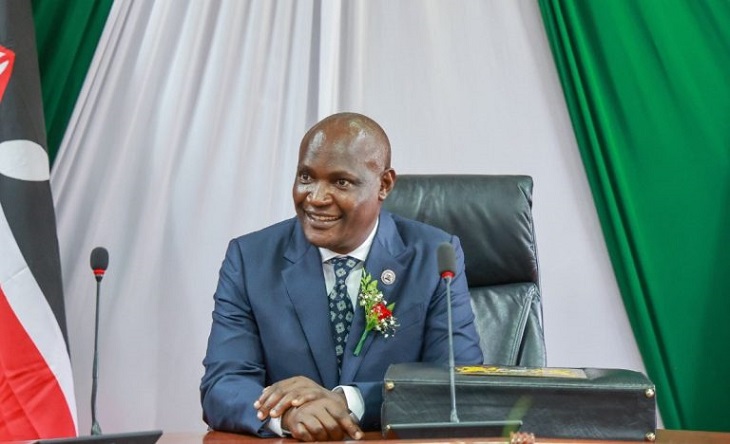
In a presentation to a joint parliamentary committee in January 2026, National Treasury Cabinet Secretary John Mbadi said the proposed divestiture would reduce the government’s shareholding in Safaricom from 35 per cent to 20 per cent, while preserving strategic influence through board representation and governance safeguards.
According to the Treasury, the transaction will be executed through a sale to Safaricom’s existing strategic investor, Vodacom Group, at a negotiated price of KSh34 per share. This represents a premium of about 23.6 per cent to the six-month volume-weighted average price of KSh27.50 recorded up to December 2, 2025.

The sale is expected to generate gross proceeds of approximately USD 1.57 billion (KSh204.3 billion), paid in hard currency, providing the government with a significant non-debt source of funding at a time of constrained fiscal space.
Funding infrastructure without new debt
Treasury officials said the divestiture is aimed at mobilising resources for priority infrastructure projects in key sectors, including energy, roads, water, airports, and digital transformation, without increasing public debt or imposing new taxes.
“This transaction facilitates the mobilisation of significant resources without contracting debt or raising taxes,” Mbadi said, adding that infrastructure investment remains a central pillar of the government’s economic growth strategy
The proposal comes amid broader fiscal consolidation efforts, with the Treasury noting that traditional levers such as taxation and borrowing have reached optimal limits, necessitating alternative financing mechanisms.
Safeguards and national interest
Despite the reduction in shareholding, the government will retain a 20 percent stake in Safaricom and two board seats to safeguard national interests. Treasury said this residual holding will be maintained as a long-term strategic investment.
Vodacom has also committed to a number of conditions, including no acquisition-related redundancies for at least three years, retention of Kenyan leadership at the board level, and continued support for the Safaricom Foundation.
The Treasury further disclosed that Vodacom will make an upfront payment of KSh40.2 billion to the government instead of future dividends expected from the retained 20 per cent stake, a structure the Treasury says is favourable to the State both in present-value and future-value terms
Why Vodacom was chosen
The government opted for a sale to an existing strategic investor rather than an open market sell-down or a private equity transaction, citing the size of the deal, execution certainty, and the ability to secure a premium price.
Treasury noted that an on-market sale at the Nairobi Securities Exchange would likely have attracted a discount and posed completion risks due to the large ticket size, while a new financial investor could have led to strategic misalignment.
Vodacom currently holds about 40 per cent of Safaricom through Vodafone Kenya and has been a shareholder since 1998, providing technical, managerial, and capital support to the company.
Next steps and approvals
The proposed divestiture is anchored under Section 87A of the Public Finance Management Act and the Privatization Act, 2025, which requires Cabinet and National Assembly approval for the sale of government shares in government-linked corporations.
In addition to parliamentary approval, the transaction will be subject to regulatory clearances from bodies including the Capital Markets Authority, Competition Authority of Kenya, Central Bank of Kenya, Communications Authority of Kenya and the Nairobi Securities Exchange.
The Treasury has formally requested the joint committee to consider and recommend approval of the proposal, which it says will deepen capital markets, attract foreign currency inflows, and support long-term economic growth while maintaining government influence in one of Kenya’s most strategic corporate assets.

About Soko Directory Team
Soko Directory is a Financial and Markets digital portal that tracks brands, listed firms on the NSE, SMEs and trend setters in the markets eco-system.Find us on Facebook: facebook.com/SokoDirectory and on Twitter: twitter.com/SokoDirectory

- January 2026 (220)
- February 2026 (246)
- March 2026 (286)
- April 2026 (92)
- January 2025 (119)
- February 2025 (191)
- March 2025 (212)
- April 2025 (193)
- May 2025 (161)
- June 2025 (157)
- July 2025 (227)
- August 2025 (211)
- September 2025 (270)
- October 2025 (297)
- November 2025 (230)
- December 2025 (219)
- January 2024 (238)
- February 2024 (227)
- March 2024 (190)
- April 2024 (133)
- May 2024 (157)
- June 2024 (145)
- July 2024 (136)
- August 2024 (154)
- September 2024 (212)
- October 2024 (255)
- November 2024 (196)
- December 2024 (143)
- January 2023 (182)
- February 2023 (203)
- March 2023 (322)
- April 2023 (297)
- May 2023 (267)
- June 2023 (214)
- July 2023 (212)
- August 2023 (257)
- September 2023 (237)
- October 2023 (264)
- November 2023 (286)
- December 2023 (177)
- January 2022 (293)
- February 2022 (329)
- March 2022 (358)
- April 2022 (292)
- May 2022 (271)
- June 2022 (232)
- July 2022 (278)
- August 2022 (253)
- September 2022 (246)
- October 2022 (196)
- November 2022 (232)
- December 2022 (167)
- January 2021 (182)
- February 2021 (227)
- March 2021 (325)
- April 2021 (259)
- May 2021 (285)
- June 2021 (272)
- July 2021 (277)
- August 2021 (232)
- September 2021 (271)
- October 2021 (304)
- November 2021 (364)
- December 2021 (249)
- January 2020 (272)
- February 2020 (310)
- March 2020 (390)
- April 2020 (321)
- May 2020 (335)
- June 2020 (327)
- July 2020 (333)
- August 2020 (276)
- September 2020 (214)
- October 2020 (233)
- November 2020 (242)
- December 2020 (187)
- January 2019 (251)
- February 2019 (215)
- March 2019 (283)
- April 2019 (254)
- May 2019 (269)
- June 2019 (249)
- July 2019 (335)
- August 2019 (293)
- September 2019 (306)
- October 2019 (313)
- November 2019 (362)
- December 2019 (318)
- January 2018 (291)
- February 2018 (213)
- March 2018 (275)
- April 2018 (223)
- May 2018 (235)
- June 2018 (176)
- July 2018 (256)
- August 2018 (247)
- September 2018 (255)
- October 2018 (282)
- November 2018 (282)
- December 2018 (184)
- January 2017 (183)
- February 2017 (194)
- March 2017 (207)
- April 2017 (104)
- May 2017 (169)
- June 2017 (205)
- July 2017 (189)
- August 2017 (195)
- September 2017 (186)
- October 2017 (235)
- November 2017 (253)
- December 2017 (266)
- January 2016 (164)
- February 2016 (165)
- March 2016 (189)
- April 2016 (143)
- May 2016 (245)
- June 2016 (182)
- July 2016 (271)
- August 2016 (247)
- September 2016 (233)
- October 2016 (191)
- November 2016 (243)
- December 2016 (153)
- January 2015 (1)
- February 2015 (4)
- March 2015 (164)
- April 2015 (107)
- May 2015 (116)
- June 2015 (119)
- July 2015 (145)
- August 2015 (157)
- September 2015 (186)
- October 2015 (169)
- November 2015 (173)
- December 2015 (205)
- March 2014 (2)
- March 2013 (10)
- June 2013 (1)
- March 2012 (7)
- April 2012 (15)
- May 2012 (1)
- July 2012 (1)
- August 2012 (4)
- October 2012 (2)
- November 2012 (2)
- December 2012 (1)