
AMAC’s Kampala Deal Signals a New Era for Uganda’s Agricultural Trade
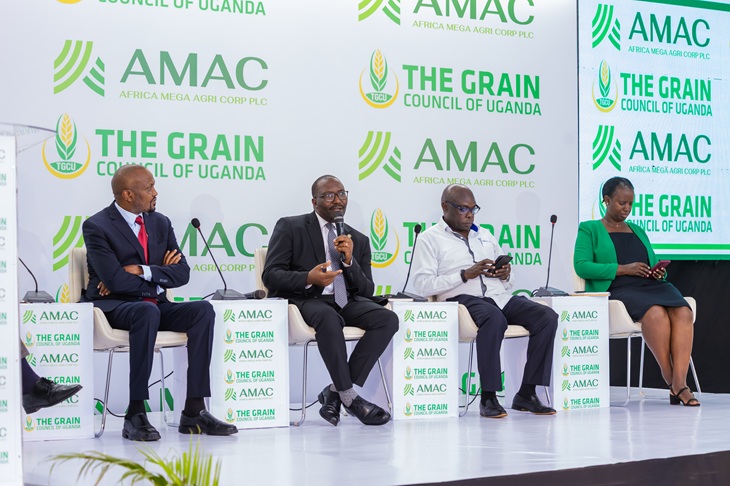
Uganda’s agricultural sector may be standing at the edge of one of its most consequential market shifts in recent years after AMAC COMEX and The Grain Council Union of Uganda moved to formalise a partnership designed to connect local producers to a modern commodities exchange platform. The agreement, which was scheduled for signing in Kampala on March 26, 2026, has been framed as a defining moment for the country’s integration into domestic, regional and global commodity markets.
At its core, the deal is about fixing one of the oldest weaknesses in African agriculture: farmers and producer organisations often generate value, yet remain excluded from the systems that determine pricing, financing, storage and access to serious buyers. Under the arrangement, more than 400 TGCU member organisations are expected to gain access to AMAC COMEX’s integrated platform, with those organisations representing millions of Ugandan farmers, cooperatives, traders and processors across crops and value chains that include grain, maize, nuts, fruits, vegetables, coffee, tea, herbs and animal feeds.
What makes this development particularly significant is the breadth of services attached to the platform. Beyond market access, TGCU members are set to benefit from a live digital exchange linking them to domestic, regional and international buyers, as well as verified global suppliers for those importing agricultural inputs and products. The platform also includes access to certified warehouses under Uganda’s Warehouse Receipt System, allowing produce to be stored securely while generating recognised receipts that can support commercial transactions.

That matters because the biggest problem for many farmers is not always low production. It is what happens after harvest. Too often, weak storage, urgent cash needs and fragmented markets force producers into distress selling, wiping out margins before crops can reach their true value. AMAC COMEX says the partnership will include instant post-delivery financing through a network of 13 local and regional banking partners, alongside trade insurance, structured trade finance and integrated logistics from farm gate to global markets. If effectively implemented, that combination could help shift farmers from surviving the season to negotiating from a position of strength.
The presence of senior Ugandan officials and institutional leaders at the signing underscores the scale of ambition behind the arrangement. The Star reported that the ceremony would be attended by Finance Minister Matia Kasaija, Trade Minister Francis Mwebesa, Finance PS Ramadhan Ggobi, NSSF Uganda CEO Patrick Ayota and TGCU Patron Gen. Salim Saleh. That level of participation suggests the agreement is being viewed not merely as a corporate transaction, but as a strategic intervention in how Uganda structures agricultural trade and value capture.
For Uganda, the broader implication is clear. Agriculture can no longer be treated as a production story only. The countries that will win in modern food and commodity systems are those that build strong infrastructure around the farmer: transparent markets, warehousing, finance, insurance, logistics and trusted trading systems. This Kampala deal appears to be an attempt to build exactly that architecture, using technology and institutional partnerships to bring producers closer to the kind of market infrastructure long associated with more developed agricultural economies.
If this model gains traction, the impact could reach far beyond TGCU’s immediate membership. It could improve price discovery, deepen formal trade, reduce post-harvest pressure, expand liquidity across value chains and strengthen Uganda’s role in regional agricultural commerce. More importantly, it could begin to correct a longstanding imbalance in which farmers do the hard work of production while too much value is captured elsewhere in the chain.
In that sense, Kampala is not just hosting another signing ceremony. It is hosting a test of whether East Africa can build agricultural systems that are as strong after harvest as they are in the field. And if this partnership delivers on its promise, Uganda’s farmers may finally gain something they have long needed: not just better yields, but better power in the market.

About Soko Directory Team
Soko Directory is a Financial and Markets digital portal that tracks brands, listed firms on the NSE, SMEs and trend setters in the markets eco-system.Find us on Facebook: facebook.com/SokoDirectory and on Twitter: twitter.com/SokoDirectory

- January 2026 (220)
- February 2026 (243)
- March 2026 (239)
- January 2025 (119)
- February 2025 (191)
- March 2025 (212)
- April 2025 (193)
- May 2025 (161)
- June 2025 (157)
- July 2025 (227)
- August 2025 (211)
- September 2025 (270)
- October 2025 (297)
- November 2025 (230)
- December 2025 (219)
- January 2024 (238)
- February 2024 (227)
- March 2024 (190)
- April 2024 (133)
- May 2024 (157)
- June 2024 (145)
- July 2024 (136)
- August 2024 (154)
- September 2024 (212)
- October 2024 (255)
- November 2024 (196)
- December 2024 (143)
- January 2023 (182)
- February 2023 (203)
- March 2023 (322)
- April 2023 (297)
- May 2023 (267)
- June 2023 (214)
- July 2023 (212)
- August 2023 (257)
- September 2023 (237)
- October 2023 (264)
- November 2023 (286)
- December 2023 (177)
- January 2022 (293)
- February 2022 (329)
- March 2022 (358)
- April 2022 (292)
- May 2022 (271)
- June 2022 (232)
- July 2022 (278)
- August 2022 (253)
- September 2022 (246)
- October 2022 (196)
- November 2022 (232)
- December 2022 (167)
- January 2021 (182)
- February 2021 (227)
- March 2021 (325)
- April 2021 (259)
- May 2021 (285)
- June 2021 (272)
- July 2021 (277)
- August 2021 (232)
- September 2021 (271)
- October 2021 (304)
- November 2021 (364)
- December 2021 (249)
- January 2020 (272)
- February 2020 (310)
- March 2020 (390)
- April 2020 (321)
- May 2020 (335)
- June 2020 (327)
- July 2020 (333)
- August 2020 (276)
- September 2020 (214)
- October 2020 (233)
- November 2020 (242)
- December 2020 (187)
- January 2019 (251)
- February 2019 (215)
- March 2019 (283)
- April 2019 (254)
- May 2019 (269)
- June 2019 (249)
- July 2019 (335)
- August 2019 (293)
- September 2019 (306)
- October 2019 (313)
- November 2019 (362)
- December 2019 (318)
- January 2018 (291)
- February 2018 (213)
- March 2018 (275)
- April 2018 (223)
- May 2018 (235)
- June 2018 (176)
- July 2018 (256)
- August 2018 (247)
- September 2018 (255)
- October 2018 (282)
- November 2018 (282)
- December 2018 (184)
- January 2017 (183)
- February 2017 (194)
- March 2017 (207)
- April 2017 (104)
- May 2017 (169)
- June 2017 (205)
- July 2017 (189)
- August 2017 (195)
- September 2017 (186)
- October 2017 (235)
- November 2017 (253)
- December 2017 (266)
- January 2016 (164)
- February 2016 (165)
- March 2016 (189)
- April 2016 (143)
- May 2016 (245)
- June 2016 (182)
- July 2016 (271)
- August 2016 (247)
- September 2016 (233)
- October 2016 (191)
- November 2016 (243)
- December 2016 (153)
- January 2015 (1)
- February 2015 (4)
- March 2015 (164)
- April 2015 (107)
- May 2015 (116)
- June 2015 (119)
- July 2015 (145)
- August 2015 (157)
- September 2015 (186)
- October 2015 (169)
- November 2015 (173)
- December 2015 (205)
- March 2014 (2)
- March 2013 (10)
- June 2013 (1)
- March 2012 (7)
- April 2012 (15)
- May 2012 (1)
- July 2012 (1)
- August 2012 (4)
- October 2012 (2)
- November 2012 (2)
- December 2012 (1)