
Beyond the Smile: Kenya’s Silent Oral Health Crisis
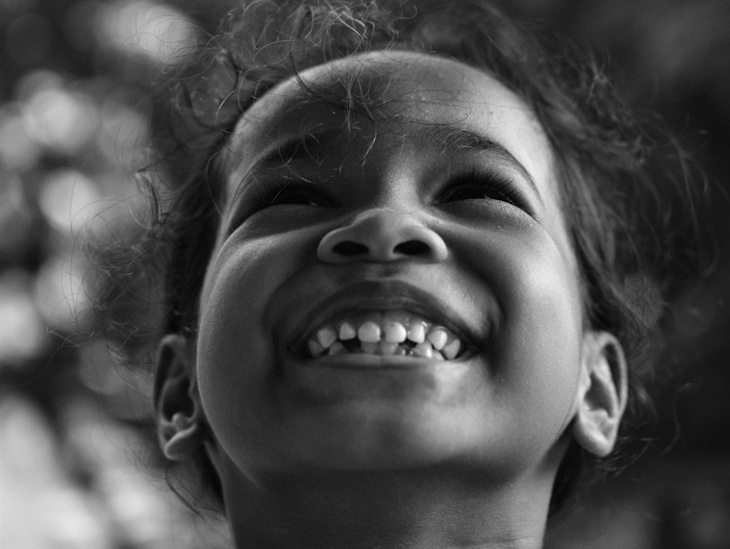
In Kenya, millions are living with preventable dental disease often in silence and pain. 98.1% of Kenyan adults are affected by some form of gum disease, while nearly 46.3% of five-year-olds already suffer from tooth decay. These shocking figures point to a widespread, deeply embedded public health challenge.
As the world marks World Oral Health Day under the theme “A Happy Mouth is a Happy Life,” we are confronted with an uncomfortable truth: oral health in Kenya is a national issue that must be addressed.
A Culture of Reaction, Not Prevention

One of the biggest barriers to better oral health in Kenya is mindset not just access.
As a people, we have normalised delayed care. Many will endure persistent discomfort, rely on temporary remedies, or avoid dental visits altogether due to fear, cost concerns, or misinformation. Preventive care such as routine check-ups, professional cleaning, early diagnosis is often seen as unnecessary unless there is visible pain.
The reality is that this reactive approach comes at a cost.
Tooth decay and gum disease remain the most prevalent oral conditions in the country yet both are largely preventable. Studies indicate that around 40% of Kenyan children are affected by dental caries, often from a young age. Left untreated, these conditions progress to infections, tooth loss, and, in severe cases, complications that affect overall health.
Oral health does not exist in isolation. Globally, poor oral health has been linked to conditions such as cardiovascular disease, diabetes complications, and adverse pregnancy outcomes. The mouth is not separate from the body but a gateway to it and despite this connection, dental care is still widely viewed as optional.
The Invisible Impact on Confidence and Productivity
Beyond the clinical implications, oral health carries heavy impact on a person’s confidence and daily life.
A healthy smile shapes how we communicate, how we show up in professional spaces, and how we connect with others. Conversely, untreated dental issues can lead to discomfort, self-consciousness, and even withdrawal from social or work environments.
In an increasingly competitive and image-conscious society, this matters more than we often acknowledge.
Oral health, therefore, is not just a medical issue but also a quality-of-life issue.
Bridging the Gap
Access remains a significant challenge. Kenya has approximately one dentist for every 42,000 people, with most practitioners concentrated in urban areas. This leaves large segments of the population without timely or reliable access to care.
This results to delayed treatment, escalating complications, and a continued cycle of reactive healthcare.
To bridge this gap, healthcare providers are increasingly working to make dental care more accessible, integrated, and patient-centred. Institutions such as AAR Healthcare, for instance, are helping shift the narrative by offering comprehensive dental services within their outpatient centres bringing preventive, restorative, and specialised care closer to communities.
This model matters as it embeds dental care within everyday healthcare access, making it easier for individuals and families to seek care early, consistently, and with confidence.
Reimagining Oral Health as a Lifelong Habit
If we are to truly embrace the idea that “a happy mouth is a happy life,” then oral health must become a habit. A tradition embedded in our culture.
This begins at home.
Parents play a critical role in shaping how children perceive dental care. Early exposure to dental visits, proper hygiene practices, and preventive treatments can reduce fear and establish lifelong habits. For adults, the conversation is also evolving from purely functional care to include restorative and cosmetic treatments that support both health and confidence.
At every stage of life, prevention remains the most effective strategy.
The Cost of Waiting
Perhaps the most important shift we need to make is recognising that the cost of inaction is far greater than the cost of care.
Dental caries is already the leading cause of tooth loss across all age groups in Kenya, affecting both children and adults and significantly diminishing quality of life. Delaying treatment often leads to more complex procedures, higher financial burden, and prolonged discomfort.
More critically, it can result in health complications that extend beyond the mouth and are far more difficult to manage.
This World Oral Health Day we must stop and reflect.
A healthy mouth is not about aesthetics alone. It is about living without pain, communicating with confidence, and protecting overall health. It is about recognising that small, consistent actions today can prevent significant challenges tomorrow.
Dental care must become a priority in every household ensuring that a happy mouth is a doorway to a healthy nation. An investment in our oral hygiene is an investment to living and healthier and fuller life as a people and a nation.
Happy World Oral Day.
Read Also: Pepsodent Targets 500,000 Pupils In School Oral Health Drive
By Elizabeth Wasunna, General Manager, AAR Healthcare

About Soko Directory Team
Soko Directory is a Financial and Markets digital portal that tracks brands, listed firms on the NSE, SMEs and trend setters in the markets eco-system.Find us on Facebook: facebook.com/SokoDirectory and on Twitter: twitter.com/SokoDirectory

- January 2026 (220)
- February 2026 (246)
- March 2026 (286)
- April 2026 (57)
- January 2025 (119)
- February 2025 (191)
- March 2025 (212)
- April 2025 (193)
- May 2025 (161)
- June 2025 (157)
- July 2025 (227)
- August 2025 (211)
- September 2025 (270)
- October 2025 (297)
- November 2025 (230)
- December 2025 (219)
- January 2024 (238)
- February 2024 (227)
- March 2024 (190)
- April 2024 (133)
- May 2024 (157)
- June 2024 (145)
- July 2024 (136)
- August 2024 (154)
- September 2024 (212)
- October 2024 (255)
- November 2024 (196)
- December 2024 (143)
- January 2023 (182)
- February 2023 (203)
- March 2023 (322)
- April 2023 (297)
- May 2023 (267)
- June 2023 (214)
- July 2023 (212)
- August 2023 (257)
- September 2023 (237)
- October 2023 (264)
- November 2023 (286)
- December 2023 (177)
- January 2022 (293)
- February 2022 (329)
- March 2022 (358)
- April 2022 (292)
- May 2022 (271)
- June 2022 (232)
- July 2022 (278)
- August 2022 (253)
- September 2022 (246)
- October 2022 (196)
- November 2022 (232)
- December 2022 (167)
- January 2021 (182)
- February 2021 (227)
- March 2021 (325)
- April 2021 (259)
- May 2021 (285)
- June 2021 (272)
- July 2021 (277)
- August 2021 (232)
- September 2021 (271)
- October 2021 (304)
- November 2021 (364)
- December 2021 (249)
- January 2020 (272)
- February 2020 (310)
- March 2020 (390)
- April 2020 (321)
- May 2020 (335)
- June 2020 (327)
- July 2020 (333)
- August 2020 (276)
- September 2020 (214)
- October 2020 (233)
- November 2020 (242)
- December 2020 (187)
- January 2019 (251)
- February 2019 (215)
- March 2019 (283)
- April 2019 (254)
- May 2019 (269)
- June 2019 (249)
- July 2019 (335)
- August 2019 (293)
- September 2019 (306)
- October 2019 (313)
- November 2019 (362)
- December 2019 (318)
- January 2018 (291)
- February 2018 (213)
- March 2018 (275)
- April 2018 (223)
- May 2018 (235)
- June 2018 (176)
- July 2018 (256)
- August 2018 (247)
- September 2018 (255)
- October 2018 (282)
- November 2018 (282)
- December 2018 (184)
- January 2017 (183)
- February 2017 (194)
- March 2017 (207)
- April 2017 (104)
- May 2017 (169)
- June 2017 (205)
- July 2017 (189)
- August 2017 (195)
- September 2017 (186)
- October 2017 (235)
- November 2017 (253)
- December 2017 (266)
- January 2016 (164)
- February 2016 (165)
- March 2016 (189)
- April 2016 (143)
- May 2016 (245)
- June 2016 (182)
- July 2016 (271)
- August 2016 (247)
- September 2016 (233)
- October 2016 (191)
- November 2016 (243)
- December 2016 (153)
- January 2015 (1)
- February 2015 (4)
- March 2015 (164)
- April 2015 (107)
- May 2015 (116)
- June 2015 (119)
- July 2015 (145)
- August 2015 (157)
- September 2015 (186)
- October 2015 (169)
- November 2015 (173)
- December 2015 (205)
- March 2014 (2)
- March 2013 (10)
- June 2013 (1)
- March 2012 (7)
- April 2012 (15)
- May 2012 (1)
- July 2012 (1)
- August 2012 (4)
- October 2012 (2)
- November 2012 (2)
- December 2012 (1)