
From Debt Stress To Financial Wellness- The Future Of Fintech in Kenya

Kenya’s middle class is facing one of the toughest financial squeezes in recent memory. Rising taxes, spiraling living costs, and mandatory deductions are shrinking disposable income at alarming rates. By the time statutory deductions like NSSF, NHIF, and AHL are factored in—before even considering PAYE—salaried Kenyans are often left with nearly half of their gross pay. What remains must stretch to cover rent, utilities, transport, school fees, food, domestic support, and remittances upcountry. It is no wonder that by the second or third day after payday, many households are already struggling to make ends meet.
This is the reality of Kenya’s middle class today: promotions at work are quickly cancelled out by “promotions” in the cost of fuel, cooking gas, and even healthcare. For many, a visit to the hospital has become a luxury. The Central Bank of Kenya’s recent approval of 41 new Digital Credit Providers underscores the urgent demand for short-term financial lifelines. According to the Digital Financial Services Association of Kenya (DFSAK), Kenyans now borrow an average of Ksh 500 million daily—equivalent to Ksh 15 billion a month—driven largely by a quest for stability in an economy that offers little breathing room.
Read Also: Little Pesa: The Digital Lender Kenya Needs, Not The Sharks We Have

The growth of fintech in Kenya has undeniably been transformative. The country has become a continental leader in digital finance, with mobile money and digital lending reshaping how households and businesses manage cash flow. Increased investor interest in Kenya’s fintech sector is a testament to its potential. Yet, behind the glossy promise of convenience lies a growing risk: debt dependency. Many salaried Kenyans are caught in a dangerous cycle of borrowing from one lender to pay another. This cycle erodes financial wellness, traps consumers in punitive penalties, and damages credit scores, making recovery even harder. Unless fintech players take deliberate steps to change course, what could be a powerful safety valve risks becoming a widespread debt trap.
The challenge—and opportunity—now lies in reorienting fintech to serve as a tool for financial wellness, not just credit access. Ethical lending practices must move from rhetoric to reality. This means stripping away hidden fees and ensuring borrowers are clearly informed about the total cost of credit before signing up. Transparency in repayment conditions, timelines, and penalties for default is not just good practice; it is essential for building trust in an industry that directly touches millions of lives.
Advancements in technology also make it possible for lenders to adopt more responsible credit models. Credit scoring powered by data analytics can help determine what a borrower can reasonably afford to repay, preventing the reckless disbursement of loans that only set up borrowers for failure. Screening and offering tiered loan limits, aligned to income patterns, is one way fintech firms can cushion households while still running sustainable businesses. The goal should not be to push as much credit as possible, but to support long-term financial resilience.
Equally critical is how fintech companies treat their customers. For too long, aggressive debt collection practices—including shaming borrowers by contacting their relatives, employers, or entire phonebooks—have left a trail of embarrassment and mistrust. Financial instability is already a heavy burden; public humiliation only compounds it. Dignity and data privacy must be at the heart of fintech operations. Companies that fail to prioritize customer experience and ethical treatment will not only lose trust but also risk regulatory backlash in an increasingly scrutinized sector.
The broader policy environment is also evolving. Regulators are stepping up to streamline the fintech space, protect consumers, and create a level playing field for both incumbents and new entrants. Recent measures by the Central Bank and DFSAK signal a shift toward accountability and sustainability. These interventions, if paired with industry self-regulation, can create a financial ecosystem that balances innovation with responsibility.
Ultimately, the Kenyan middle class needs solutions that ease financial stress rather than deepen it. Fintech is uniquely positioned to fill this gap by offering more than quick loans. Products that encourage savings, promote insurance uptake, and provide budget management tools can redefine digital finance as an enabler of stability rather than a stopgap measure. With the right focus, fintech can evolve from being a band-aid for short-term cash flow issues to becoming a catalyst for long-term economic empowerment.
Kenya’s middle class is squeezed, but it does not have to be broken. By embracing ethical practices, protecting consumer dignity, and aligning business models with financial wellness, fintech can become the very tool that helps households navigate economic turbulence and secure a more stable future. The time to act is now—before the safety valve turns into a ticking time bomb.
Related Content: Little Pesa: The Online Lender Kenyans Should Use When They Need A Financial Boost
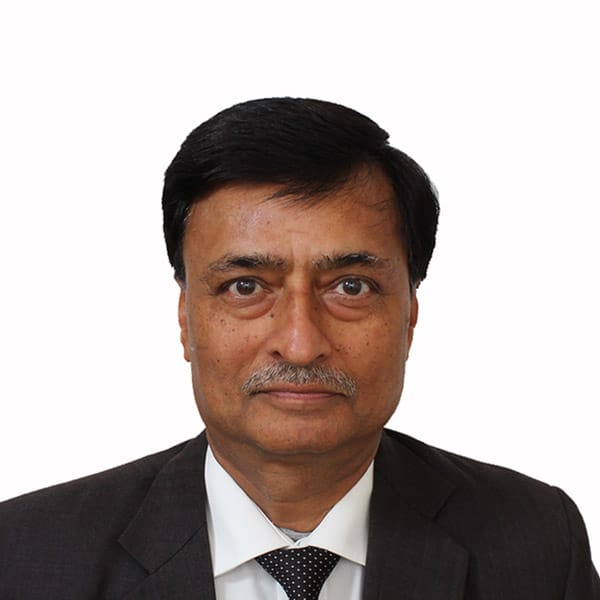
By Rakesh Kashyap, Managing Director at Little Pesa

About Soko Directory Team
Soko Directory is a Financial and Markets digital portal that tracks brands, listed firms on the NSE, SMEs and trend setters in the markets eco-system.Find us on Facebook: facebook.com/SokoDirectory and on Twitter: twitter.com/SokoDirectory
- January 2026 (85)
- January 2025 (119)
- February 2025 (191)
- March 2025 (212)
- April 2025 (193)
- May 2025 (161)
- June 2025 (157)
- July 2025 (227)
- August 2025 (211)
- September 2025 (270)
- October 2025 (297)
- November 2025 (230)
- December 2025 (219)
- January 2024 (238)
- February 2024 (227)
- March 2024 (190)
- April 2024 (133)
- May 2024 (157)
- June 2024 (145)
- July 2024 (136)
- August 2024 (154)
- September 2024 (212)
- October 2024 (255)
- November 2024 (196)
- December 2024 (143)
- January 2023 (182)
- February 2023 (203)
- March 2023 (322)
- April 2023 (297)
- May 2023 (267)
- June 2023 (214)
- July 2023 (212)
- August 2023 (257)
- September 2023 (237)
- October 2023 (264)
- November 2023 (286)
- December 2023 (177)
- January 2022 (293)
- February 2022 (329)
- March 2022 (358)
- April 2022 (292)
- May 2022 (271)
- June 2022 (232)
- July 2022 (278)
- August 2022 (253)
- September 2022 (246)
- October 2022 (196)
- November 2022 (232)
- December 2022 (167)
- January 2021 (182)
- February 2021 (227)
- March 2021 (325)
- April 2021 (259)
- May 2021 (285)
- June 2021 (272)
- July 2021 (277)
- August 2021 (232)
- September 2021 (271)
- October 2021 (304)
- November 2021 (364)
- December 2021 (249)
- January 2020 (272)
- February 2020 (310)
- March 2020 (390)
- April 2020 (321)
- May 2020 (335)
- June 2020 (327)
- July 2020 (333)
- August 2020 (276)
- September 2020 (214)
- October 2020 (233)
- November 2020 (242)
- December 2020 (187)
- January 2019 (251)
- February 2019 (215)
- March 2019 (283)
- April 2019 (254)
- May 2019 (269)
- June 2019 (249)
- July 2019 (335)
- August 2019 (293)
- September 2019 (306)
- October 2019 (313)
- November 2019 (362)
- December 2019 (318)
- January 2018 (291)
- February 2018 (213)
- March 2018 (275)
- April 2018 (223)
- May 2018 (235)
- June 2018 (176)
- July 2018 (256)
- August 2018 (247)
- September 2018 (255)
- October 2018 (282)
- November 2018 (282)
- December 2018 (184)
- January 2017 (183)
- February 2017 (194)
- March 2017 (207)
- April 2017 (104)
- May 2017 (169)
- June 2017 (205)
- July 2017 (189)
- August 2017 (195)
- September 2017 (186)
- October 2017 (235)
- November 2017 (253)
- December 2017 (266)
- January 2016 (164)
- February 2016 (165)
- March 2016 (189)
- April 2016 (143)
- May 2016 (245)
- June 2016 (182)
- July 2016 (271)
- August 2016 (247)
- September 2016 (233)
- October 2016 (191)
- November 2016 (243)
- December 2016 (153)
- January 2015 (1)
- February 2015 (4)
- March 2015 (164)
- April 2015 (107)
- May 2015 (116)
- June 2015 (119)
- July 2015 (145)
- August 2015 (157)
- September 2015 (186)
- October 2015 (169)
- November 2015 (173)
- December 2015 (205)
- March 2014 (2)
- March 2013 (10)
- June 2013 (1)
- March 2012 (7)
- April 2012 (15)
- May 2012 (1)
- July 2012 (1)
- August 2012 (4)
- October 2012 (2)
- November 2012 (2)
- December 2012 (1)