
Not Educating Girls Costly to Countries, Reveals World Bank
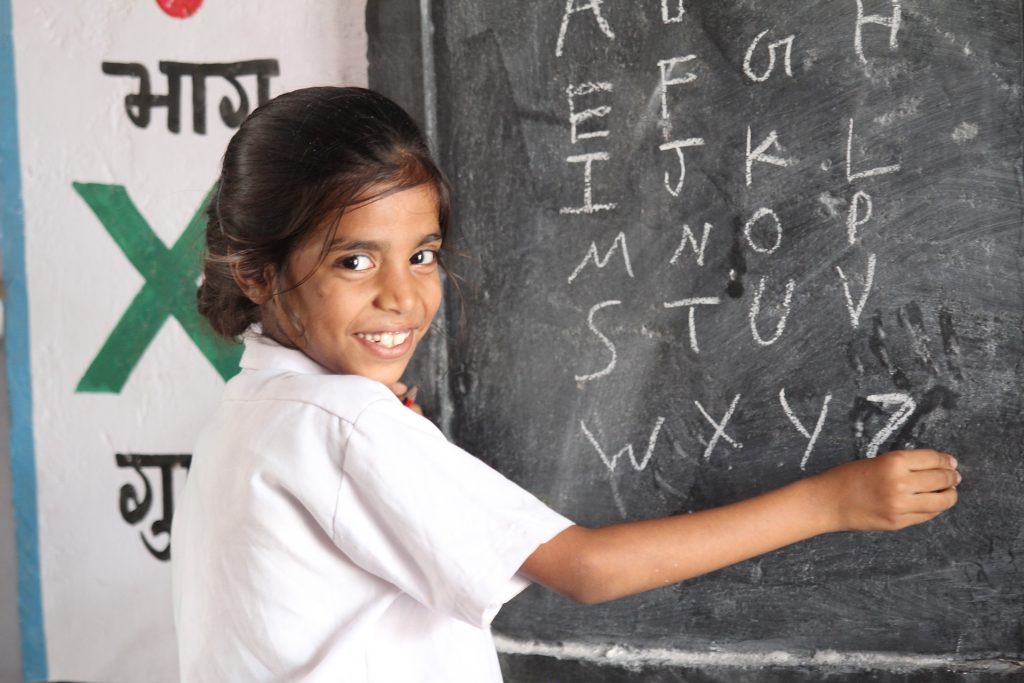
Limited educational opportunities for girls and barriers to completing 12 years of education cost countries between $15 trillion and $30 trillion in lost lifetime productivity and earnings.
According to the World Bank, less than two-thirds of girls in low-income countries complete primary school, and only one in three girls complete lower secondary school.
On average, women who have a secondary education are more likely to work and they earn almost twice as much as those with no education.
Other positive effects of secondary school education for girls include a wide range of social and economic benefits for the girls themselves, their children and their communities including near-elimination of child marriage, lowering fertility rates by a third in countries with high population growth, and reducing child mortality and malnutrition.

Over the past two decades, many countries have reached universal primary education, and girls’ enrolment at the primary level in developing countries rivals that of boys. But this is not enough. Much larger benefits of education, as the analysis finds, would come from completing secondary school.
Today, some 132 million girls around the world between the ages of 6 and 17 are still not in school,75 percent of whom are adolescents. To reap the full benefits of education, countries need to improve both access and quality so that all girls have the opportunity to learn.
It is estimated that the return on one year of secondary education for a girl correlates with as high as a 25 percent increase in wages and that ensuring that all girls get at least secondary education in sub-Saharan Africa, would reduce child marriages by more than half.
Girls who stay out of school especially in their teen are at great risk. The statistics are worrying: one in every five adolescent girls have either had a live birth or is pregnant with her first child. Among the 19-year olds, this doubles to two out of ten. Kenya Demographic Health Survey estimates that 18 percent of girls aged 15 – 19 become pregnant every year in the country.
As a country, we have much work to do, with figures showing that about half of Kenyan women only have primary school education. This means that their potential for participating in socio-economic processes is hampered, and their families are almost assured to spend their futures struggling economically.
World Bank reveals that in Sub-Saharan Africa, only 40 percent of girls complete lower secondary school. Countries also need policies to support healthy economic growth that will generate jobs for an expanding educated workforce.
Women with secondary education also have a better ability to make decisions in their household, including for their own health care. They are less likely to experience intimate partner violence, and they report higher levels of psychological well-being. They also have healthier children who are less likely to be malnourished and who are more likely to go to school and learn.
Furthermore, better education for girls makes them more likely to participate fully in society and be active members of their community.
Educating girls and promoting gender equality is part of a broader and holistic effort put in place by World Bank, which includes financing and analytical work to remove financial barriers that keep girls out of school, prevent child marriage, improve access to reproductive health services, and strengthen skills and job opportunities for adolescent girls and young women.
Since 2016, the World Bank has invested more than $3.2 billion in education projects benefiting adolescent girls.

About Soko Directory Team
Soko Directory is a Financial and Markets digital portal that tracks brands, listed firms on the NSE, SMEs and trend setters in the markets eco-system.Find us on Facebook: facebook.com/SokoDirectory and on Twitter: twitter.com/SokoDirectory

- January 2026 (220)
- February 2026 (243)
- March 2026 (237)
- January 2025 (119)
- February 2025 (191)
- March 2025 (212)
- April 2025 (193)
- May 2025 (161)
- June 2025 (157)
- July 2025 (227)
- August 2025 (211)
- September 2025 (270)
- October 2025 (297)
- November 2025 (230)
- December 2025 (219)
- January 2024 (238)
- February 2024 (227)
- March 2024 (190)
- April 2024 (133)
- May 2024 (157)
- June 2024 (145)
- July 2024 (136)
- August 2024 (154)
- September 2024 (212)
- October 2024 (255)
- November 2024 (196)
- December 2024 (143)
- January 2023 (182)
- February 2023 (203)
- March 2023 (322)
- April 2023 (297)
- May 2023 (267)
- June 2023 (214)
- July 2023 (212)
- August 2023 (257)
- September 2023 (237)
- October 2023 (264)
- November 2023 (286)
- December 2023 (177)
- January 2022 (293)
- February 2022 (329)
- March 2022 (358)
- April 2022 (292)
- May 2022 (271)
- June 2022 (232)
- July 2022 (278)
- August 2022 (253)
- September 2022 (246)
- October 2022 (196)
- November 2022 (232)
- December 2022 (167)
- January 2021 (182)
- February 2021 (227)
- March 2021 (325)
- April 2021 (259)
- May 2021 (285)
- June 2021 (272)
- July 2021 (277)
- August 2021 (232)
- September 2021 (271)
- October 2021 (304)
- November 2021 (364)
- December 2021 (249)
- January 2020 (272)
- February 2020 (310)
- March 2020 (390)
- April 2020 (321)
- May 2020 (335)
- June 2020 (327)
- July 2020 (333)
- August 2020 (276)
- September 2020 (214)
- October 2020 (233)
- November 2020 (242)
- December 2020 (187)
- January 2019 (251)
- February 2019 (215)
- March 2019 (283)
- April 2019 (254)
- May 2019 (269)
- June 2019 (249)
- July 2019 (335)
- August 2019 (293)
- September 2019 (306)
- October 2019 (313)
- November 2019 (362)
- December 2019 (318)
- January 2018 (291)
- February 2018 (213)
- March 2018 (275)
- April 2018 (223)
- May 2018 (235)
- June 2018 (176)
- July 2018 (256)
- August 2018 (247)
- September 2018 (255)
- October 2018 (282)
- November 2018 (282)
- December 2018 (184)
- January 2017 (183)
- February 2017 (194)
- March 2017 (207)
- April 2017 (104)
- May 2017 (169)
- June 2017 (205)
- July 2017 (189)
- August 2017 (195)
- September 2017 (186)
- October 2017 (235)
- November 2017 (253)
- December 2017 (266)
- January 2016 (164)
- February 2016 (165)
- March 2016 (189)
- April 2016 (143)
- May 2016 (245)
- June 2016 (182)
- July 2016 (271)
- August 2016 (247)
- September 2016 (233)
- October 2016 (191)
- November 2016 (243)
- December 2016 (153)
- January 2015 (1)
- February 2015 (4)
- March 2015 (164)
- April 2015 (107)
- May 2015 (116)
- June 2015 (119)
- July 2015 (145)
- August 2015 (157)
- September 2015 (186)
- October 2015 (169)
- November 2015 (173)
- December 2015 (205)
- March 2014 (2)
- March 2013 (10)
- June 2013 (1)
- March 2012 (7)
- April 2012 (15)
- May 2012 (1)
- July 2012 (1)
- August 2012 (4)
- October 2012 (2)
- November 2012 (2)
- December 2012 (1)