
No Connection Between Egypt and Kenyan Indomie, KEBS
KEY POINTS
On May 10, the Food and Drugs Authority Ghana also announced to have initiated investigations on the safety of the product, warning the citizens against consuming it.
KEY TAKEAWAYS
Egypt withdrew 733,340 cartons of different Indomie products from the local market after they were found to contain a “proportion of aflatoxins and pesticide residues that exceed the safe limits allowed for human consumption.”
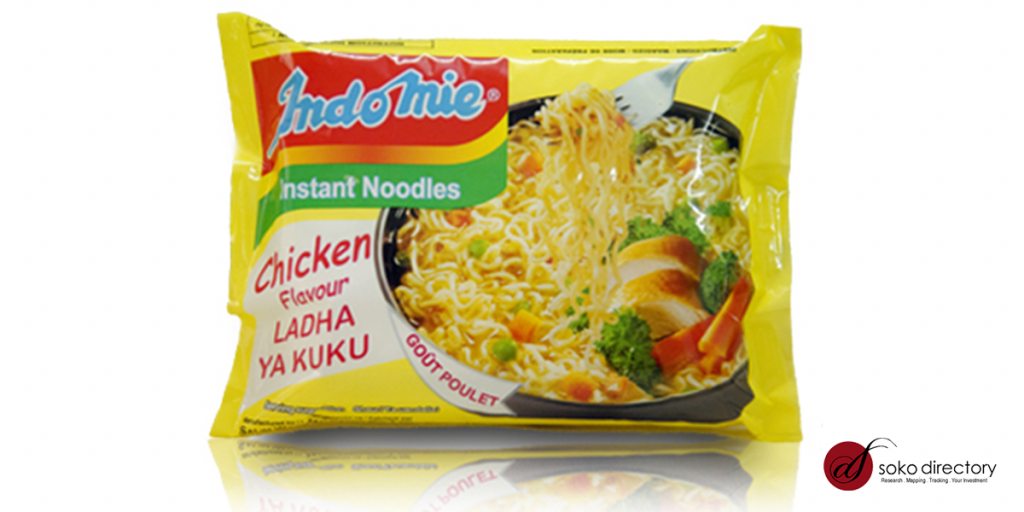
The Kenya Bureau of Standards (KEBS) now says there is no cause for alarm regarding the indomie noodles that have so far faced a market ban in Egypt and Rwanda. KEBS on Thursday revealed that there is no connection between the products recalled in Egypt and the ones in Kenya.
“We did not import any products from Egypt, however, we have a local manufacturer of Indomie instant noodles called Salim Wazaran. Of course, the brand or trademark could be a franchise, but the company manufacturing this product is sourcing their raw materials locally and importing some ingredients.” KEBS Managing Director Bernard Njiraini said.
Testing on the safety of instant noodles is currently underway at the KEBS biochemical testing laboratory in Nairobi.

“We have received 94 instant noodles samples from our market surveillance teams, and at the moment the test requests are on two, that is the pesticide residues and aflatoxins.”
“Preliminary investigations show there are no excess aflatoxins beyond the 10 ppb that is required of the standard. However, for pesticides, the tests will take slightly longer…because we’re talking about 4 hours to get one sample ready. And when we talk of pesticide residues, we’re not talking of one, it is a very big population of around 80 pesticides being done in one sample,” Tom Oduor, Ag. Head of testing at KEBS says.
Testing on the safety of the most cooked fast food in many Kenyan households began after issues regarding health safety were raised by Egyptian authorities, which saw the product banned in the Egyptian market over health concerns.
Egypt withdrew 733,340 cartons of different Indomie products from the local market after they were found to contain a “proportion of aflatoxins and pesticide residues that exceed the safe limits allowed for human consumption.”
The Common Market for East and Southern Africa (Comesa) Competition Commission (CCA) warned that similar products as those flagged by Egyptian authorities are being imported and marketed in member States that include Kenya.
Rwanda was the second country to ban the product, which it imports from Kenya amid claims of health concerns over their safety.
On May 10, the Food and Drugs Authority Ghana also announced to have initiated investigations on the safety of the product, warning the citizens against consuming it.
According to World Health Organisation (WHO), when people come into contact with large quantities of pesticides, acute poisoning or long-term health effects, including cancer and adverse effects on reproduction can occur.
Read More: Indomie Unfit for Human Consumption, COFEK Warns Kenyans

- January 2026 (220)
- February 2026 (246)
- March 2026 (286)
- April 2026 (207)
- May 2026 (32)
- January 2025 (119)
- February 2025 (191)
- March 2025 (212)
- April 2025 (193)
- May 2025 (161)
- June 2025 (157)
- July 2025 (227)
- August 2025 (211)
- September 2025 (270)
- October 2025 (297)
- November 2025 (230)
- December 2025 (219)
- January 2024 (238)
- February 2024 (227)
- March 2024 (190)
- April 2024 (133)
- May 2024 (157)
- June 2024 (145)
- July 2024 (136)
- August 2024 (154)
- September 2024 (212)
- October 2024 (255)
- November 2024 (196)
- December 2024 (143)
- January 2023 (182)
- February 2023 (203)
- March 2023 (322)
- April 2023 (297)
- May 2023 (267)
- June 2023 (214)
- July 2023 (212)
- August 2023 (257)
- September 2023 (237)
- October 2023 (264)
- November 2023 (286)
- December 2023 (177)
- January 2022 (293)
- February 2022 (329)
- March 2022 (358)
- April 2022 (292)
- May 2022 (271)
- June 2022 (232)
- July 2022 (278)
- August 2022 (253)
- September 2022 (246)
- October 2022 (196)
- November 2022 (232)
- December 2022 (167)
- January 2021 (182)
- February 2021 (227)
- March 2021 (325)
- April 2021 (259)
- May 2021 (285)
- June 2021 (272)
- July 2021 (277)
- August 2021 (232)
- September 2021 (271)
- October 2021 (304)
- November 2021 (364)
- December 2021 (249)
- January 2020 (272)
- February 2020 (310)
- March 2020 (390)
- April 2020 (321)
- May 2020 (335)
- June 2020 (327)
- July 2020 (333)
- August 2020 (276)
- September 2020 (214)
- October 2020 (233)
- November 2020 (242)
- December 2020 (187)
- January 2019 (251)
- February 2019 (215)
- March 2019 (283)
- April 2019 (254)
- May 2019 (269)
- June 2019 (249)
- July 2019 (335)
- August 2019 (293)
- September 2019 (306)
- October 2019 (313)
- November 2019 (362)
- December 2019 (318)
- January 2018 (291)
- February 2018 (213)
- March 2018 (275)
- April 2018 (223)
- May 2018 (235)
- June 2018 (176)
- July 2018 (256)
- August 2018 (247)
- September 2018 (255)
- October 2018 (282)
- November 2018 (282)
- December 2018 (184)
- January 2017 (183)
- February 2017 (194)
- March 2017 (207)
- April 2017 (104)
- May 2017 (169)
- June 2017 (205)
- July 2017 (189)
- August 2017 (195)
- September 2017 (186)
- October 2017 (235)
- November 2017 (253)
- December 2017 (266)
- January 2016 (164)
- February 2016 (165)
- March 2016 (189)
- April 2016 (143)
- May 2016 (245)
- June 2016 (182)
- July 2016 (271)
- August 2016 (247)
- September 2016 (233)
- October 2016 (191)
- November 2016 (243)
- December 2016 (153)
- January 2015 (1)
- February 2015 (4)
- March 2015 (164)
- April 2015 (107)
- May 2015 (116)
- June 2015 (119)
- July 2015 (145)
- August 2015 (157)
- September 2015 (186)
- October 2015 (169)
- November 2015 (173)
- December 2015 (205)
- March 2014 (2)
- March 2013 (10)
- June 2013 (1)
- March 2012 (7)
- April 2012 (15)
- May 2012 (1)
- July 2012 (1)
- August 2012 (4)
- October 2012 (2)
- November 2012 (2)
- December 2012 (1)