
Ziidi Trader: How Safaricom Rewired the Nairobi Stock Exchange — And What Comes Next
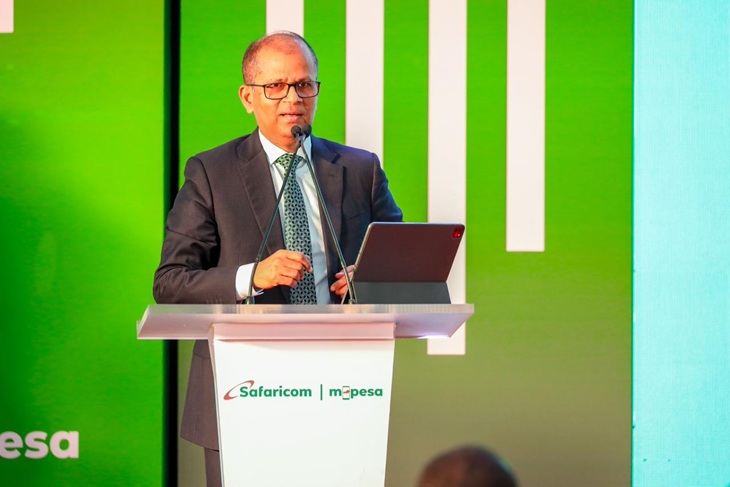
Safaricom has done something the Nairobi Securities Exchange (NSE) failed to do for decades: it made investing feel simple, accessible, and immediate. Through Ziidi Trader, embedded in M-PESA, the telecom giant has collapsed the barriers that once defined stock market participation in Kenya.
In just six weeks, the number of retail traders doubled to approximately 400,000 accounts. That is not incremental growth. That is structural disruption.
Historically, participation in the NSE required a licensed broker, paperwork, physical presence, and patience. The system was designed for high-net-worth individuals and institutions. Retail investors were effectively locked out.

Ziidi Trader changes that equation entirely. By leveraging M-PESA’s ecosystem of over 30 million users, Safaricom has turned the stock market into a mobile-first, real-time experience.
Data from early adoption shows that Ziidi Trader now accounts for roughly 60% of all transactions on the NSE. However, these transactions represent only 3% to 4% of the total market value, highlighting the dominance of small-ticket retail trades.
This distinction is critical. Ziidi is not yet moving institutional capital. It is changing behavior — and behavior precedes capital shifts.
Safaricom’s revenue model is equally strategic. Through its partnership with Kestrel Capital, each trade attracts approximately 1.5% in transaction fees, shared between both entities.
At scale, this becomes significant. If daily retail trades average KES 500 million, Safaricom’s share could translate into millions in daily revenue.
Competition remains fragmented. Traditional brokers like Dyer & Blair, AIB-AXYS, and Standard Investment Bank still dominate institutional flows but lack the distribution advantage Safaricom enjoys.
Globally, Ziidi mirrors platforms like Robinhood in the United States, which democratized trading but also introduced behavioral risks tied to gamification.
Safaricom’s deliberate design choice — making Ziidi resemble a betting app — is both genius and controversial. It lowers entry barriers but introduces psychological triggers associated with gambling.
Small investments, sometimes as low as KES 20, combined with real-time price movements, create a dopamine-driven experience that keeps users engaged.
From a market perspective, liquidity has improved. More participants mean tighter spreads and more consistent trading activity across counters.
However, volatility risk increases. Retail investors tend to react emotionally, amplifying short-term price swings.
Looking ahead, Safaricom’s ambition is to grow retail traders to 9 million within three years. If achieved, this would fundamentally redefine Kenya’s capital markets.
That scale would also shift the NSE from an institution-driven exchange to a retail-driven ecosystem.
Regulation will be critical. The Capital Markets Authority (CMA) and Central Bank of Kenya must ensure that accessibility does not come at the cost of investor protection.
Financial literacy will determine whether Ziidi becomes a wealth creation engine or a speculative trap.
In conclusion, Ziidi Trader is not just a product. It is an inflection point. Safaricom has not merely entered the stock market — it has reshaped it.
Growth Analysis
The graph below illustrates the rapid growth in accounts and transaction value since launch.

Read Also: Ziidi Investment Platform Wins Global Recognition at 2026 GLOMO Awards

About Steve Biko Wafula
Steve Biko is the CEO OF Soko Directory and the founder of Hidalgo Group of Companies. Steve is currently developing his career in law, finance, entrepreneurship and digital consultancy; and has been implementing consultancy assignments for client organizations comprising of trainings besides capacity building in entrepreneurial matters.He can be reached on: +254 20 510 1124 or Email: info@sokodirectory.com