
Posho Mill Pride vs The Fortified Future: A Love Letter To Kenyan Flour Politics
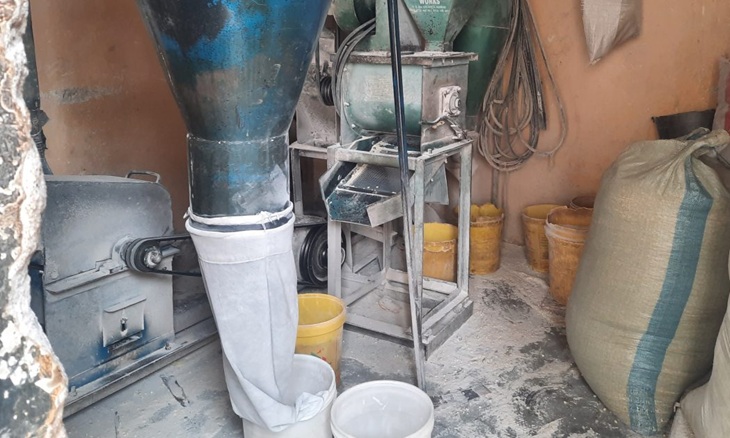
Let’s be honest: there is no argument in Kenya more sacred, more tribal, more capable of splitting a family WhatsApp group than the Great Ugali Debate. Forget politics. Forget football. Ask a Kenyan mother whether she buys packaged fortified flour or takes her maize to the local posho mill, and you will witness a debate with the intensity of a presidential succession fight, except the only thing succeeding here is whoever makes the smoothest, most “authentic” ugali.
For decades, the posho mill has held a near-mythical status. There is a widely held belief that flour milled at the local posho mill, dusty, warm, fresh off the stones, sold in a repurposed Sukari bag, is somehow more “natural,” more “nutritious,” more “real” than the packaged stuff sitting primly on supermarket shelves with its neat nutrition label. It’s the flour equivalent of insisting your grandmother’s recipe is better simply because she refuses to measure anything.
But here’s the plot twist nobody wants at a family barbecue: the posho mill isn’t secretly sneaking vitamins into your maize while you wait outside gossiping about the neighbor’s new car. It’s just grinding. That’s it. That’s the whole magic trick. Whatever nutrients were in the maize before milling are the same nutrients after milling, minus whatever gets lost to the elements, pests, and that suspicious puddle by the mill’s back door. Posho mill flour is not enchanted. It is just less processed and less protected, which sometimes means more bran and fiber, but it also means zero added micronutrients.

Fortified flour, on the other hand, is like ugali flour that went back to school and got an education. Kenyan law requires certain maize and wheat flours to be fortified with iron, zinc, folic acid, vitamin B12, and vitamin A, nutrients that a huge number of Kenyans simply don’t get enough of from their diet alone. Iron deficiency anemia remains a serious public health concern, especially among women and children.
Folic acid prevents neural tube defects in developing babies, a fact that should make every expectant mother do a happy dance in the flour aisle. Vitamin A supports eyesight and immunity. None of this shows up by magic in posho mill flour, no matter how confidently your uncle insists otherwise while chewing his ugali like it’s a personal vendetta against nutrition science.
Here’s the real comedy: the “unprocessed is healthier” argument would make sense if we were comparing kale smoothies to Coca-Cola. But maize flour is maize flour. It doesn’t have a secret nutritional soul that escapes when it meets a factory conveyor belt. If anything, factories are more consistent, more hygienic, and frankly better at quality control than a mill that also, on a good day, grinds spices, cassava, and mysterious substances your nose refuses to identify.
Embracing fortification isn’t a betrayal of Kenyan tradition; it’s tradition getting a much-needed nutritional upgrade, like swapping your ancient Nokia for a smartphone that still makes calls but also, you know, does more. Ugali will still be ugali. Ugali will still summon your entire extended family the moment the sufuria hits the stove. The only difference is that this time, the flour is quietly fighting anemia and birth defects in the background while you argue about whether it should be soft or firm.
So next time someone tells you fortified flour is “fake” or “less nutritious,” gently remind them: nutrition isn’t about nostalgia. It’s about zinc, iron, and not risking your baby’s spine health for the sake of a marketing myth about dust and grinding stones. Fortified flour isn’t the enemy of tradition; it’s tradition’s glow-up.
Read Also: From the Farm to Your Kitchen: Why Fortified Flour Matters for Every Kenyan Family

About Soko Directory Team
Soko Directory is a Financial and Markets digital portal that tracks brands, listed firms on the NSE, SMEs and trend setters in the markets eco-system.Find us on Facebook: facebook.com/SokoDirectory and on Twitter: twitter.com/SokoDirectory

- January 2026 (220)
- February 2026 (248)
- March 2026 (287)
- April 2026 (207)
- May 2026 (192)
- June 2026 (238)
- July 2026 (279)
- August 2026 (208)
- January 2025 (119)
- February 2025 (191)
- March 2025 (212)
- April 2025 (193)
- May 2025 (161)
- June 2025 (157)
- July 2025 (227)
- August 2025 (211)
- September 2025 (267)
- October 2025 (297)
- November 2025 (230)
- December 2025 (220)
- January 2024 (238)
- February 2024 (227)
- March 2024 (190)
- April 2024 (133)
- May 2024 (157)
- June 2024 (145)
- July 2024 (136)
- August 2024 (154)
- September 2024 (212)
- October 2024 (255)
- November 2024 (196)
- December 2024 (143)
- January 2023 (182)
- February 2023 (203)
- March 2023 (322)
- April 2023 (297)
- May 2023 (267)
- June 2023 (214)
- July 2023 (212)
- August 2023 (257)
- September 2023 (237)
- October 2023 (264)
- November 2023 (286)
- December 2023 (177)
- January 2022 (293)
- February 2022 (329)
- March 2022 (358)
- April 2022 (292)
- May 2022 (271)
- June 2022 (232)
- July 2022 (278)
- August 2022 (253)
- September 2022 (246)
- October 2022 (196)
- November 2022 (232)
- December 2022 (167)
- January 2021 (182)
- February 2021 (227)
- March 2021 (325)
- April 2021 (259)
- May 2021 (285)
- June 2021 (272)
- July 2021 (277)
- August 2021 (232)
- September 2021 (271)
- October 2021 (303)
- November 2021 (364)
- December 2021 (249)
- January 2020 (272)
- February 2020 (310)
- March 2020 (390)
- April 2020 (321)
- May 2020 (335)
- June 2020 (327)
- July 2020 (333)
- August 2020 (276)
- September 2020 (214)
- October 2020 (233)
- November 2020 (242)
- December 2020 (187)
- January 2019 (251)
- February 2019 (215)
- March 2019 (283)
- April 2019 (254)
- May 2019 (269)
- June 2019 (249)
- July 2019 (335)
- August 2019 (292)
- September 2019 (306)
- October 2019 (313)
- November 2019 (362)
- December 2019 (318)
- January 2018 (291)
- February 2018 (213)
- March 2018 (275)
- April 2018 (223)
- May 2018 (235)
- June 2018 (176)
- July 2018 (256)
- August 2018 (247)
- September 2018 (255)
- October 2018 (282)
- November 2018 (282)
- December 2018 (184)
- January 2017 (183)
- February 2017 (194)
- March 2017 (207)
- April 2017 (104)
- May 2017 (169)
- June 2017 (205)
- July 2017 (189)
- August 2017 (195)
- September 2017 (186)
- October 2017 (235)
- November 2017 (253)
- December 2017 (266)
- January 2016 (164)
- February 2016 (165)
- March 2016 (189)
- April 2016 (143)
- May 2016 (245)
- June 2016 (182)
- July 2016 (271)
- August 2016 (247)
- September 2016 (233)
- October 2016 (191)
- November 2016 (243)
- December 2016 (153)
- January 2015 (1)
- February 2015 (4)
- March 2015 (164)
- April 2015 (107)
- May 2015 (116)
- June 2015 (119)
- July 2015 (145)
- August 2015 (157)
- September 2015 (186)
- October 2015 (169)
- November 2015 (173)
- December 2015 (205)
- March 2014 (2)
- March 2013 (10)
- June 2013 (1)
- March 2012 (7)
- April 2012 (15)
- May 2012 (1)
- July 2012 (1)
- August 2012 (4)
- October 2012 (2)
- November 2012 (2)
- December 2012 (1)