
Safaricom’s July 31 AGM Could Redraw The Company’s Power Map as Shareholders Vote On Historic Governance Changes
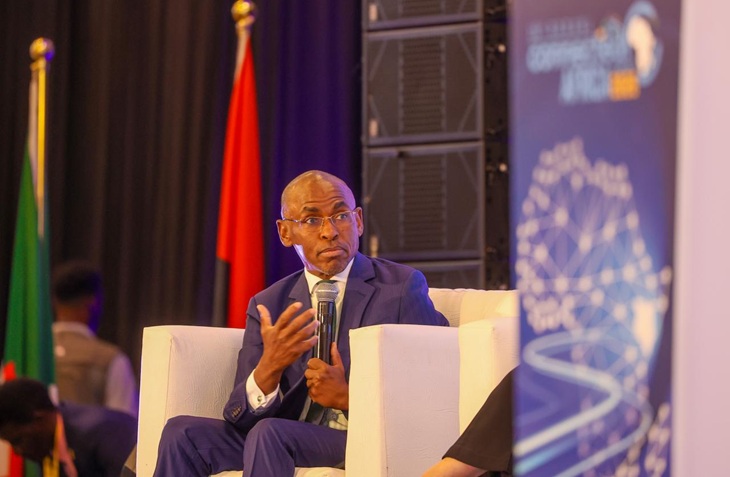
Safaricom shareholders are heading into one of the most consequential Annual General Meetings in the company’s history, with a series of special resolutions that go far beyond the normal routine of approving accounts, dividends, directors, auditors, and remuneration. The meeting, scheduled for Friday, July 31, 2026, at 11:00 a.m., will ask shareholders to vote on proposed changes to the company’s Articles of Association that could reshape how power is shared inside Kenya’s most valuable corporate brand.
At the centre of the AGM is a set of amendments designed to put into formal company documents the governance understanding between the Government of Kenya and Vodacom Kenya Limited, following the recently concluded divestiture process and the conditions attached to it by the Government. In simple terms, shareholders are being asked to approve changes that will define who gets to appoint directors, how the board will be structured, how the Chief Executive Officer may be appointed, how the Safaricom brand will be protected, how dividends will be handled, and how deadlocks inside the boardroom will be resolved.
This is why the AGM matters. Safaricom is not an ordinary listed company. It sits at the heart of Kenya’s payments system, mobile communication, digital finance, data economy, tax collection ecosystem, corporate governance conversations and national economic identity. When Safaricom changes its Articles of Association, the impact is not limited to shareholders alone. It matters to millions of M-PESA users, small businesses, investors, pension funds, employees, suppliers, government agencies and the wider capital markets ecosystem.

One of the most important proposals before shareholders is the amendment touching on board appointment rights. Under the proposed changes, Vodacom Kenya Limited will have the right to appoint, remove or replace one director for every complete 10 percent of Safaricom’s issued and fully paid share capital that it holds. A similar right is proposed for the Cabinet Secretary to the National Treasury, or any entity holding shares on behalf of the Government of Kenya, where the Government holds at least 10 percent of the issued and fully paid share capital of the company.
This effectively formalises the board influence of the two major shareholder blocs. For ordinary investors, the key issue is not just who owns what percentage of Safaricom, but how that ownership translates into control, boardroom presence and strategic influence. In companies of Safaricom’s size and importance, governance rules are often as important as financial numbers because they determine how decisions are made long before those decisions show up in the market.
The proposed amendments also touch on board composition. The Articles are expected to state that, unless otherwise determined by special resolution, the board shall have not less than seven directors, excluding alternates. The board must also include independent non-executive directors, with a majority of them being Kenyan citizens. This is significant because it speaks to the balance between foreign strategic shareholding, government interest, local identity and independent oversight.
Another major area is the appointment of the Chief Executive Officer. The proposed amendment provides that, for as long as Vodacom Kenya Limited holds 50 percent or more of Safaricom’s issued share capital, the board may appoint the CEO from a list of nominees provided by Vodacom. The Articles also state that the directors should continue encouraging the retention of a predominantly Kenyan character in the senior management and executive committee of the company.
For shareholders and the market, this is one of the most closely watched provisions. The CEO of Safaricom is not just the head of a listed company. The office carries enormous weight in Kenya’s financial technology space, telecoms regulation, investor sentiment, innovation strategy, regional expansion and national economic conversations. Giving a major shareholder a formal role in providing CEO nominees changes the governance architecture in a way shareholders must understand clearly before voting.
The Safaricom brand also receives special protection under the proposed changes. Any material change to the company’s brand would require approval by at least 75 percent of the directors and the consent of the Government of Kenya. In addition, expansion of the company’s business into new territories outside Kenya and Ethiopia would require Government consent. This means the Government will retain a formal say over key strategic questions that touch on Safaricom’s identity and regional direction.
That provision is powerful because Safaricom’s brand is more than a logo. It is one of Kenya’s strongest corporate symbols and one of the most recognisable business names in Africa. It carries national trust, financial inclusion history, digital payments credibility and deep consumer loyalty. The proposed protection suggests that the Government wants to ensure that any major change to the brand or strategic geography does not happen casually, privately, or without public-interest consideration.
There is also a proposed mechanism for resolving board deadlocks. Where the board is unable to resolve a matter and the issue remains deadlocked after reconsideration, the decision may be determined by the majority of directors appointed under the Vodacom and Government shareholder nomination rights who voted on the matter. This matters because deadlock clauses often reveal where ultimate influence sits when consensus fails. In good times, boards operate through agreement. In difficult times, the Articles determine how disagreement is settled.
Shareholders will also vote on provisions relating to dividend policy. The proposed amendments require the directors, when recommending or paying dividends, to comply with the dividend policy approved by shareholders in a general meeting. At the same time, the directors retain the power to set aside reserves out of company profits, subject to the dividend policy. This gives shareholders a clearer line of sight on how profits may be distributed, retained, invested or reserved for future needs.
The AGM notice also includes other proposed changes on extraordinary general meetings, board quorum, written resolutions of directors, alternate directors, and directors’ powers. These may sound technical, but they matter. Corporate control is often hidden in technical clauses. The right to call meetings, appoint alternates, pass written resolutions, determine quorum and exercise board powers can influence the speed and direction of corporate decisions.
A notable point is that these special resolutions have been proposed by Vodacom Kenya Limited through a requisition under the Companies Act. The notice also states that each special resolution requires approval by at least 75 percent of the votes cast by shareholders entitled to vote, either in person or by proxy, and that voting on the special resolutions will be conducted by poll. That threshold makes the vote serious. These are not ordinary housekeeping changes. They require a strong shareholder mandate.
Equally notable is the board’s position. The AGM notice states that the board is making no recommendation on the special resolutions and makes no representation that any of them comply with the Companies Act, the Code of Corporate Governance Practices for Issuers of Securities to the Public, the Listing Rules, or the board’s explanatory memorandum accompanying the notice. For shareholders, that is a major signal to read the documents carefully and understand the implications before voting.
Away from the special business, the AGM will also handle the ordinary business of the company. Shareholders will receive and consider the audited financial statements for the year ended March 31, 2026, together with the chairman’s, directors’ and auditors’ reports. They will also vote on directors, directors’ remuneration, and the reappointment of Ernst & Young as auditors.
On dividends, shareholders will be asked to approve a final dividend of KSh 1.15 per share for the financial year ended March 31, 2026. This comes after an interim dividend of KSh 0.85 per share, bringing the total dividend for the year to KSh 2.00 per share. The final dividend, if approved, will be paid on or about September 4, 2026, to shareholders on the register at the close of business on August 4, 2026.
The company has also indicated that the preferred mode of paying dividends below KSh 250,000 is through M-PESA. Shareholders who want to receive dividends through M-PESA, but have not registered for that mode of payment, have been advised to opt in through the channels provided by the company and its registrars.
The AGM will be conducted virtually. Shareholders who wish to participate must register before Wednesday, July 29, 2026, at 11:00 a.m. Questions and clarifications must also reach the company by that deadline. Registered shareholders and proxies will receive messages before the meeting and will be able to follow proceedings through the livestream link provided by the company.
For investors, the bigger story is this: Safaricom’s AGM is no longer just about dividends and performance. It is about the architecture of control. It is about how a national corporate champion balances shareholder rights, government interest, strategic investor influence, Kenyan identity, regional ambition and public trust. The vote on July 31 will help define the next chapter of Safaricom’s governance, and every shareholder should pay attention because the decisions made in this meeting may shape the company for years to come.
In a market where many investors focus only on share price movements, this AGM is a reminder that governance is value. Who controls the board, who influences the CEO pipeline, who protects the brand, who approves expansion, who settles deadlocks and how dividends are governed are all issues that eventually flow into investor confidence. Safaricom has long been seen as one of Kenya’s crown jewels. The question now is whether shareholders will approve a new governance framework that secures that crown, or one that raises deeper questions about control, independence, and the future balance of power inside the company.
Read Also: NSE Slips as Safaricom Hits a Four-Year High and Locals Take Control

About Steve Biko Wafula
Steve Biko is the CEO OF Soko Directory and the founder of Hidalgo Group of Companies. Steve is currently developing his career in law, finance, entrepreneurship and digital consultancy; and has been implementing consultancy assignments for client organizations comprising of trainings besides capacity building in entrepreneurial matters.He can be reached on: +254 20 510 1124 or Email: info@sokodirectory.com

- January 2026 (220)
- February 2026 (248)
- March 2026 (287)
- April 2026 (207)
- May 2026 (192)
- June 2026 (238)
- July 2026 (279)
- August 2026 (215)
- January 2025 (119)
- February 2025 (191)
- March 2025 (212)
- April 2025 (193)
- May 2025 (161)
- June 2025 (157)
- July 2025 (227)
- August 2025 (211)
- September 2025 (267)
- October 2025 (297)
- November 2025 (230)
- December 2025 (220)
- January 2024 (238)
- February 2024 (227)
- March 2024 (190)
- April 2024 (133)
- May 2024 (157)
- June 2024 (145)
- July 2024 (136)
- August 2024 (154)
- September 2024 (212)
- October 2024 (255)
- November 2024 (196)
- December 2024 (143)
- January 2023 (182)
- February 2023 (203)
- March 2023 (322)
- April 2023 (297)
- May 2023 (267)
- June 2023 (214)
- July 2023 (212)
- August 2023 (257)
- September 2023 (237)
- October 2023 (264)
- November 2023 (286)
- December 2023 (177)
- January 2022 (293)
- February 2022 (329)
- March 2022 (358)
- April 2022 (292)
- May 2022 (271)
- June 2022 (232)
- July 2022 (278)
- August 2022 (253)
- September 2022 (246)
- October 2022 (196)
- November 2022 (232)
- December 2022 (167)
- January 2021 (182)
- February 2021 (227)
- March 2021 (325)
- April 2021 (259)
- May 2021 (285)
- June 2021 (272)
- July 2021 (277)
- August 2021 (232)
- September 2021 (271)
- October 2021 (303)
- November 2021 (364)
- December 2021 (249)
- January 2020 (272)
- February 2020 (310)
- March 2020 (390)
- April 2020 (321)
- May 2020 (335)
- June 2020 (327)
- July 2020 (333)
- August 2020 (276)
- September 2020 (214)
- October 2020 (233)
- November 2020 (242)
- December 2020 (187)
- January 2019 (251)
- February 2019 (215)
- March 2019 (283)
- April 2019 (254)
- May 2019 (269)
- June 2019 (249)
- July 2019 (335)
- August 2019 (292)
- September 2019 (306)
- October 2019 (313)
- November 2019 (362)
- December 2019 (318)
- January 2018 (291)
- February 2018 (213)
- March 2018 (275)
- April 2018 (223)
- May 2018 (235)
- June 2018 (176)
- July 2018 (256)
- August 2018 (247)
- September 2018 (255)
- October 2018 (282)
- November 2018 (282)
- December 2018 (184)
- January 2017 (183)
- February 2017 (194)
- March 2017 (207)
- April 2017 (104)
- May 2017 (169)
- June 2017 (205)
- July 2017 (189)
- August 2017 (195)
- September 2017 (186)
- October 2017 (235)
- November 2017 (253)
- December 2017 (266)
- January 2016 (164)
- February 2016 (165)
- March 2016 (189)
- April 2016 (143)
- May 2016 (245)
- June 2016 (182)
- July 2016 (271)
- August 2016 (247)
- September 2016 (233)
- October 2016 (191)
- November 2016 (243)
- December 2016 (153)
- January 2015 (1)
- February 2015 (4)
- March 2015 (164)
- April 2015 (107)
- May 2015 (116)
- June 2015 (119)
- July 2015 (145)
- August 2015 (157)
- September 2015 (186)
- October 2015 (169)
- November 2015 (173)
- December 2015 (205)
- March 2014 (2)
- March 2013 (10)
- June 2013 (1)
- March 2012 (7)
- April 2012 (15)
- May 2012 (1)
- July 2012 (1)
- August 2012 (4)
- October 2012 (2)
- November 2012 (2)
- December 2012 (1)