
The Right to Repair is Key to Tackling Kenya’s Growing e-Waste Challenge
According to data from Kenya’s National Environment Management Authority (NEMA), the country generates an estimated 51,300 metric tons of electronic waste annually. However, just 5 percent of this total is formally recycled. The remaining 95 percent vanishes into the informal economy or informal landfills. It is routinely subjected to unsafe disposal practices, such as open-air burning to extract copper, releasing highly toxic heavy metals like lead, mercury and cadmium into local water tables and agricultural soil. The resulting environmental degradation and associated public health risks have become a pressing concern for policymakers and environmental economists alike.
The root of the crisis, critics argue, lies in both consumer behaviour and in the structural design of the modern electronics industry. A growing body of academic literature suggests that the linear “take-make-waste” economic model is unsustainable. Quite often, the vast majority of items that end up as e-waste could be salvaged long before they reach the point of irreversible discarding.
The missing link is affordable, accessible repair and maintenance services provided directly by the original equipment manufacturers (OEMs).

Research into the “right to repair” movement, most notably from institutions such as the University of California, Berkeley, asserts that consumer waste, particularly e-waste, could be mitigated by ensuring that end-users have immediate access to diagnostic tools, genuine spare parts and qualified technicians. This is in addition to early and transparent communication by manufacturers about the availability and location of such services before consumers default to replacing their appliances.
Against this background, LG Electronics has positioned itself at the forefront of advancing the right-to-repair agenda by investing in an extensive aftersales infrastructure that ensures Kenyan consumers have access to reliable repair and maintenance services across the country. This approach aligns the company’s commercial objectives with its commitment to delivering durable, high-quality products while helping reduce the premature disposal of electronic devices.
However, access to repair services is only meaningful when consumers can easily reach them and afford them. To address this, LG recently concluded its LG Mtaani Care Football Season Campaign, an aftersales initiative designed to bring repair services closer to consumers while reducing the financial barriers that often lead to the unnecessary replacement of electronic appliances.
During the campaign, consumers benefited from free diagnostics, waived service fees, discounts on selected genuine spare parts, and special discounts on TV remote controls. These incentives encouraged consumers to repair and maintain their products rather than replace them, extending product lifespans while reducing the amount of electronic waste generated.
While the campaign primarily enhanced customer convenience, it also demonstrated how accessible and affordable aftersales support can contribute to a circular economy. Every appliance restored to working condition represented one less product destined for disposal and reinforced the principle that repairing existing products is often the most sustainable option.
For institutional investors tracking Environmental, Social and Governance (ESG) performance, such initiatives provide a compelling example of how multinational corporations can reduce downstream environmental impacts while creating shared value in developing markets.
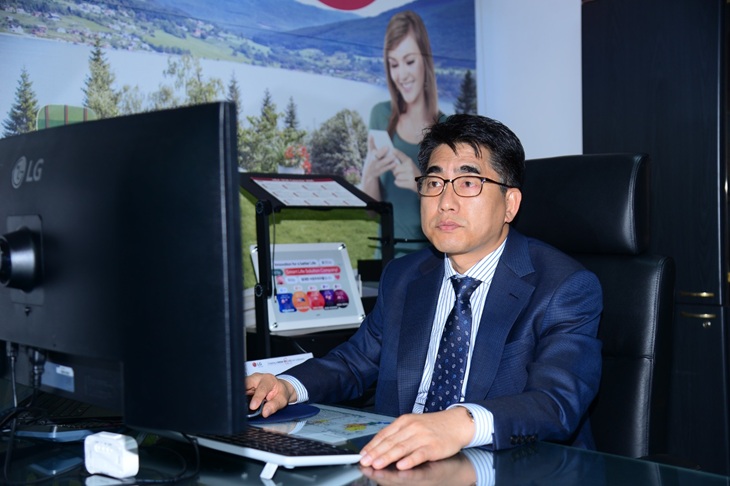
“As a responsible corporate citizen, we strive to ensure that the products we sell continue serving our customers for as long as possible,” said Donghun Lee, President of LG Electronics East Africa. “Providing access to quality repair services, genuine spare parts and skilled technicians is central to that commitment. It not only delivers greater value to consumers but also contributes to reducing electronic waste by extending the useful life of our products.”
As African nations grapple with the dual challenges of rapid digital adoption and environmental preservation, manufacturers will increasingly be expected to take responsibility for the full lifecycle of their products. The LG Mtaani Care Football Season Campaign demonstrated that investing in accessible aftersales support is not only good customer service but also an important contribution to environmental sustainability. By embracing the principles of the right to repair, manufacturers can help build a more circular economy where products remain in use longer, consumers derive greater value from their purchases, and fewer electronic devices end up in landfills.
Read Also: Tackling e-Waste Through Innovations And Tech

About Soko Directory Team
Soko Directory is a Financial and Markets digital portal that tracks brands, listed firms on the NSE, SMEs and trend setters in the markets eco-system.Find us on Facebook: facebook.com/SokoDirectory and on Twitter: twitter.com/SokoDirectory

- January 2026 (220)
- February 2026 (248)
- March 2026 (287)
- April 2026 (208)
- May 2026 (191)
- June 2026 (238)
- July 2026 (279)
- August 2026 (174)
- January 2025 (119)
- February 2025 (191)
- March 2025 (212)
- April 2025 (193)
- May 2025 (161)
- June 2025 (157)
- July 2025 (227)
- August 2025 (211)
- September 2025 (267)
- October 2025 (297)
- November 2025 (230)
- December 2025 (220)
- January 2024 (238)
- February 2024 (227)
- March 2024 (190)
- April 2024 (133)
- May 2024 (157)
- June 2024 (145)
- July 2024 (136)
- August 2024 (154)
- September 2024 (212)
- October 2024 (255)
- November 2024 (196)
- December 2024 (143)
- January 2023 (182)
- February 2023 (203)
- March 2023 (322)
- April 2023 (297)
- May 2023 (267)
- June 2023 (214)
- July 2023 (212)
- August 2023 (257)
- September 2023 (237)
- October 2023 (264)
- November 2023 (286)
- December 2023 (177)
- January 2022 (293)
- February 2022 (329)
- March 2022 (358)
- April 2022 (292)
- May 2022 (271)
- June 2022 (232)
- July 2022 (278)
- August 2022 (253)
- September 2022 (246)
- October 2022 (196)
- November 2022 (232)
- December 2022 (167)
- January 2021 (182)
- February 2021 (227)
- March 2021 (325)
- April 2021 (259)
- May 2021 (285)
- June 2021 (272)
- July 2021 (277)
- August 2021 (232)
- September 2021 (271)
- October 2021 (303)
- November 2021 (364)
- December 2021 (249)
- January 2020 (272)
- February 2020 (310)
- March 2020 (390)
- April 2020 (321)
- May 2020 (335)
- June 2020 (327)
- July 2020 (333)
- August 2020 (276)
- September 2020 (214)
- October 2020 (233)
- November 2020 (242)
- December 2020 (187)
- January 2019 (251)
- February 2019 (215)
- March 2019 (283)
- April 2019 (254)
- May 2019 (269)
- June 2019 (249)
- July 2019 (335)
- August 2019 (292)
- September 2019 (306)
- October 2019 (313)
- November 2019 (362)
- December 2019 (318)
- January 2018 (291)
- February 2018 (213)
- March 2018 (275)
- April 2018 (223)
- May 2018 (235)
- June 2018 (176)
- July 2018 (256)
- August 2018 (247)
- September 2018 (255)
- October 2018 (282)
- November 2018 (282)
- December 2018 (184)
- January 2017 (183)
- February 2017 (194)
- March 2017 (207)
- April 2017 (104)
- May 2017 (169)
- June 2017 (205)
- July 2017 (189)
- August 2017 (195)
- September 2017 (186)
- October 2017 (235)
- November 2017 (253)
- December 2017 (266)
- January 2016 (164)
- February 2016 (165)
- March 2016 (189)
- April 2016 (143)
- May 2016 (245)
- June 2016 (182)
- July 2016 (271)
- August 2016 (247)
- September 2016 (233)
- October 2016 (191)
- November 2016 (243)
- December 2016 (153)
- January 2015 (1)
- February 2015 (4)
- March 2015 (164)
- April 2015 (107)
- May 2015 (116)
- June 2015 (119)
- July 2015 (145)
- August 2015 (157)
- September 2015 (186)
- October 2015 (169)
- November 2015 (173)
- December 2015 (205)
- March 2014 (2)
- March 2013 (10)
- June 2013 (1)
- March 2012 (7)
- April 2012 (15)
- May 2012 (1)
- July 2012 (1)
- August 2012 (4)
- October 2012 (2)
- November 2012 (2)
- December 2012 (1)