
Drought Situation in Kenya to Worsen as Dry Weather Conditions Persist
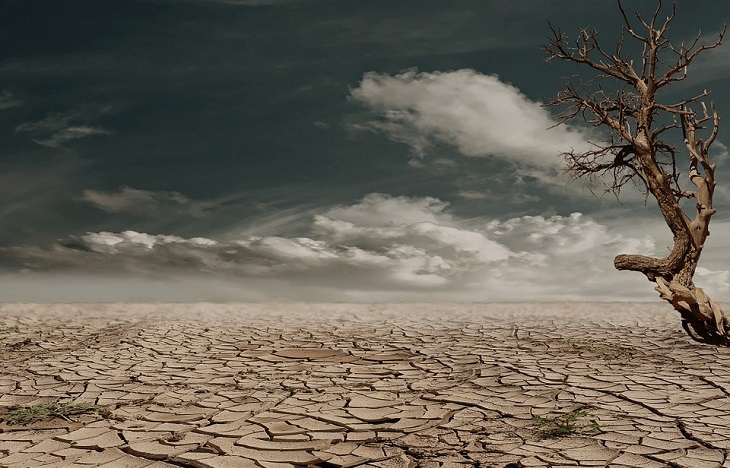
The current drought situation in Kenya is expected to worsen due to persisting dry conditions and unusually high temperatures that will extend to the month of April.
This is according to the latest forecast by the Intergovernmental Authority on Development (IGAD) Climate Prediction and Application Centre (ICPAC) stating that there is a higher chance of drier than usual conditions in Western Kenya and other countries across the Horn of Africa including the coastal regions of Tanzania, southern and south-eastern Ethiopia, central and north-eastern Somalia, Uganda and South Sudan.
The report disclosed that the said countries will experience drought and higher than usual temperatures which are affecting forage and water availability for people, livestock and wildlife.

“Poor October to December rains, followed by abnormally high temperatures since January 2019 are leading to rapid deterioration of pastoral resources and have started affecting livelihoods”, the statement said.
According to ICPAC, the dry conditions will persist throughout March 2019. The drought conditions have been contributed by the tropical cyclone observed across the coast of Mozambique during the first and second week of March.
Areas of concern due to rainfall deficits include southern and eastern Ethiopia (Borana including southern Rift Valley lakes and surrounding regions), semi-arid areas in Kenya and Karamoja (Uganda), northern and eastern Somalia.
In Kenya, according to the National Drought Management Authority, poor short rains in October to December have increased the food-insecure population.
Early this month, the Kenya Meteorological Department reported that dry and hot condition being experienced in the country will continue thus affecting the March to April long rains.
According to the weatherman, “a Tropical Cyclone known as “IDAI” located in the Mozambican Channel for several days plays a key role in delaying the northward movement of the rain-bearing Inter-Tropical Convergence Zone (ITCZ). The cyclone has significantly reduced moisture influx into the country and this leads to the continued sunny and dry weather conditions over the better part of the country.
Countries have been advised to ensure the provision of water and fodder to areas affected by the drought to reduce the impacts on lives and livelihoods.
Close monitoring of the long rains during the last ten days of March, April, and May will also be crucial as prepositioning and preparedness for response is undergoing.
Water harvesting from the expected rains is recommended in the next two months.
Authorities in the health sector should strengthen surveillance, monitor basic supplies for diagnosis and treatment and improve the alert system to ministries of health and local health facilities.
Related Content:
Images Coming From Turkana and Baringo Should Haunt Our Leaders
NCPB Releases Over 5,000 Bags of Maize to Drought-Stricken Counties

About Soko Directory Team
Soko Directory is a Financial and Markets digital portal that tracks brands, listed firms on the NSE, SMEs and trend setters in the markets eco-system.Find us on Facebook: facebook.com/SokoDirectory and on Twitter: twitter.com/SokoDirectory

- January 2026 (218)
- February 2026 (148)
- January 2025 (119)
- February 2025 (191)
- March 2025 (212)
- April 2025 (193)
- May 2025 (161)
- June 2025 (157)
- July 2025 (227)
- August 2025 (211)
- September 2025 (270)
- October 2025 (297)
- November 2025 (230)
- December 2025 (219)
- January 2024 (238)
- February 2024 (227)
- March 2024 (190)
- April 2024 (133)
- May 2024 (157)
- June 2024 (145)
- July 2024 (136)
- August 2024 (154)
- September 2024 (212)
- October 2024 (255)
- November 2024 (196)
- December 2024 (143)
- January 2023 (182)
- February 2023 (203)
- March 2023 (322)
- April 2023 (297)
- May 2023 (267)
- June 2023 (214)
- July 2023 (212)
- August 2023 (257)
- September 2023 (237)
- October 2023 (264)
- November 2023 (286)
- December 2023 (177)
- January 2022 (293)
- February 2022 (329)
- March 2022 (358)
- April 2022 (292)
- May 2022 (271)
- June 2022 (232)
- July 2022 (278)
- August 2022 (253)
- September 2022 (246)
- October 2022 (196)
- November 2022 (232)
- December 2022 (167)
- January 2021 (182)
- February 2021 (227)
- March 2021 (325)
- April 2021 (259)
- May 2021 (285)
- June 2021 (272)
- July 2021 (277)
- August 2021 (232)
- September 2021 (271)
- October 2021 (304)
- November 2021 (364)
- December 2021 (249)
- January 2020 (272)
- February 2020 (310)
- March 2020 (390)
- April 2020 (321)
- May 2020 (335)
- June 2020 (327)
- July 2020 (333)
- August 2020 (276)
- September 2020 (214)
- October 2020 (233)
- November 2020 (242)
- December 2020 (187)
- January 2019 (251)
- February 2019 (215)
- March 2019 (283)
- April 2019 (254)
- May 2019 (269)
- June 2019 (249)
- July 2019 (335)
- August 2019 (293)
- September 2019 (306)
- October 2019 (313)
- November 2019 (362)
- December 2019 (318)
- January 2018 (291)
- February 2018 (213)
- March 2018 (275)
- April 2018 (223)
- May 2018 (235)
- June 2018 (176)
- July 2018 (256)
- August 2018 (247)
- September 2018 (255)
- October 2018 (282)
- November 2018 (282)
- December 2018 (184)
- January 2017 (183)
- February 2017 (194)
- March 2017 (207)
- April 2017 (104)
- May 2017 (169)
- June 2017 (205)
- July 2017 (189)
- August 2017 (195)
- September 2017 (186)
- October 2017 (235)
- November 2017 (253)
- December 2017 (266)
- January 2016 (164)
- February 2016 (165)
- March 2016 (189)
- April 2016 (143)
- May 2016 (245)
- June 2016 (182)
- July 2016 (271)
- August 2016 (247)
- September 2016 (233)
- October 2016 (191)
- November 2016 (243)
- December 2016 (153)
- January 2015 (1)
- February 2015 (4)
- March 2015 (164)
- April 2015 (107)
- May 2015 (116)
- June 2015 (119)
- July 2015 (145)
- August 2015 (157)
- September 2015 (186)
- October 2015 (169)
- November 2015 (173)
- December 2015 (205)
- March 2014 (2)
- March 2013 (10)
- June 2013 (1)
- March 2012 (7)
- April 2012 (15)
- May 2012 (1)
- July 2012 (1)
- August 2012 (4)
- October 2012 (2)
- November 2012 (2)
- December 2012 (1)