
Costly Animal Feeds Likely to Hurt Farmers
KEY POINTS
The price upsurge will consequently be passed to consumers through increased animal product prices. This means that consumers will have to pay more for products such as egg which has already gone through the roof.
KEY TAKEAWAYS
With the animal products price increase, consumers will have to ration consumption of these products and go for other alternatives. At the same time, farmers will have to halt businesses or reduce their flock to sustain the production costs.
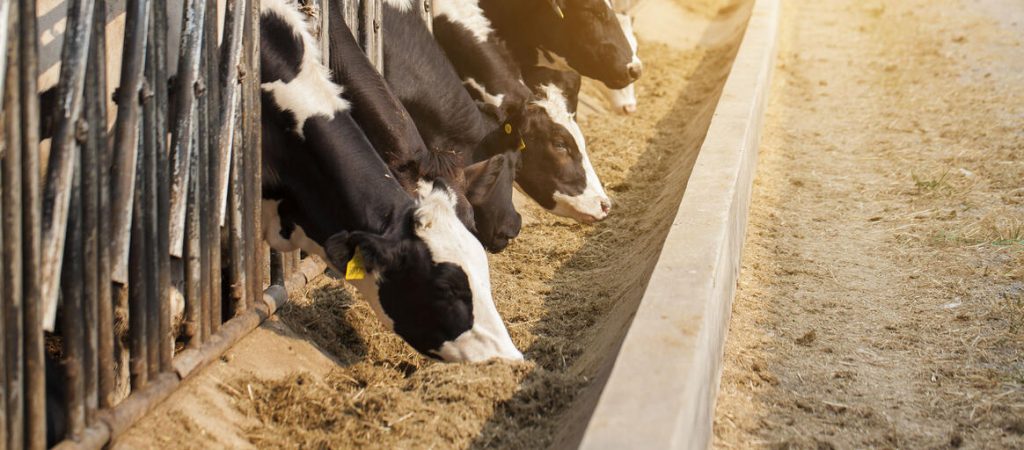
The prices of animal feeds have continued to skyrocket, with a 70 kg bag of layers mash retailing at 4,500 shillings from 3,800 shillings in April. Chick mash is at the same time going for 4,940 shillings from 4,200 shillings.
The price upsurge will consequently be passed to consumers through increased animal product prices. This means that consumers will have to pay more for products such as egg which has already gone through the roof.
For instance, a tray of eggs is currently retailing between 420 shillings and 450 shillings, increasing from 360 shillings three weeks ago. The tax Nairobi imposed on eggs from Uganda was blamed for this price increase. The prices are likely to continue with their upward trend due to costly feeds, in farmers’ bid to cut losses, given that feed accounts for 70 percent of the cost of production of eggs.

With the animal products price increase, consumers will have to ration consumption of these products and go for other alternatives. At the same time, farmers will have to halt businesses or reduce their flock to sustain the production costs.
ALSO READ: Kenyans Still Buy 77% of Their Goods from Traditional Shops, Report
Statistics from Tegemeo Institute suggest that the cost of feeds directly impacts the competitiveness of the livestock value chain.
The dairy meal prices have also increased to 2,800 shillings from 2,500 shillings. Last year, the ministry of agriculture proposed a duty-free waiver for raw materials to cushion farmers from the high cost of feeds, which saw consumers spend more on food.
The government also licensed the importation of 10 million duty-free bags of yellow maize, but no single bag has landed in the country. The import has been delayed due to fears about the safety of the commodity following its 2012 ban.
Association of Kenya Feed Manufacturers Secretary-general Martin Kinoti noted that this year’s feed situation is worse than last year.

- January 2026 (220)
- February 2026 (248)
- March 2026 (287)
- April 2026 (207)
- May 2026 (192)
- June 2026 (238)
- July 2026 (279)
- August 2026 (224)
- September 2026 (9)
- January 2025 (119)
- February 2025 (191)
- March 2025 (212)
- April 2025 (193)
- May 2025 (161)
- June 2025 (157)
- July 2025 (227)
- August 2025 (211)
- September 2025 (267)
- October 2025 (297)
- November 2025 (230)
- December 2025 (220)
- January 2024 (238)
- February 2024 (227)
- March 2024 (190)
- April 2024 (133)
- May 2024 (157)
- June 2024 (145)
- July 2024 (136)
- August 2024 (154)
- September 2024 (212)
- October 2024 (255)
- November 2024 (196)
- December 2024 (143)
- January 2023 (182)
- February 2023 (203)
- March 2023 (322)
- April 2023 (297)
- May 2023 (267)
- June 2023 (214)
- July 2023 (212)
- August 2023 (257)
- September 2023 (237)
- October 2023 (264)
- November 2023 (286)
- December 2023 (177)
- January 2022 (293)
- February 2022 (329)
- March 2022 (358)
- April 2022 (292)
- May 2022 (271)
- June 2022 (232)
- July 2022 (278)
- August 2022 (253)
- September 2022 (246)
- October 2022 (196)
- November 2022 (232)
- December 2022 (167)
- January 2021 (182)
- February 2021 (227)
- March 2021 (325)
- April 2021 (259)
- May 2021 (285)
- June 2021 (272)
- July 2021 (277)
- August 2021 (232)
- September 2021 (271)
- October 2021 (303)
- November 2021 (364)
- December 2021 (249)
- January 2020 (272)
- February 2020 (310)
- March 2020 (390)
- April 2020 (321)
- May 2020 (335)
- June 2020 (327)
- July 2020 (333)
- August 2020 (276)
- September 2020 (214)
- October 2020 (233)
- November 2020 (242)
- December 2020 (187)
- January 2019 (251)
- February 2019 (215)
- March 2019 (283)
- April 2019 (254)
- May 2019 (269)
- June 2019 (249)
- July 2019 (335)
- August 2019 (292)
- September 2019 (306)
- October 2019 (313)
- November 2019 (362)
- December 2019 (318)
- January 2018 (291)
- February 2018 (213)
- March 2018 (275)
- April 2018 (223)
- May 2018 (235)
- June 2018 (176)
- July 2018 (256)
- August 2018 (247)
- September 2018 (255)
- October 2018 (282)
- November 2018 (282)
- December 2018 (184)
- January 2017 (183)
- February 2017 (194)
- March 2017 (207)
- April 2017 (104)
- May 2017 (169)
- June 2017 (205)
- July 2017 (189)
- August 2017 (195)
- September 2017 (186)
- October 2017 (235)
- November 2017 (253)
- December 2017 (266)
- January 2016 (164)
- February 2016 (165)
- March 2016 (189)
- April 2016 (143)
- May 2016 (245)
- June 2016 (182)
- July 2016 (271)
- August 2016 (247)
- September 2016 (233)
- October 2016 (191)
- November 2016 (243)
- December 2016 (153)
- January 2015 (1)
- February 2015 (4)
- March 2015 (164)
- April 2015 (107)
- May 2015 (116)
- June 2015 (119)
- July 2015 (145)
- August 2015 (157)
- September 2015 (186)
- October 2015 (169)
- November 2015 (173)
- December 2015 (205)
- March 2014 (2)
- March 2013 (10)
- June 2013 (1)
- March 2012 (7)
- April 2012 (15)
- May 2012 (1)
- July 2012 (1)
- August 2012 (4)
- October 2012 (2)
- November 2012 (2)
- December 2012 (1)