
From Chemicals To Compassion: Tata’s Story Of Healing Touch In Magadi, Kenya
KEY POINTS
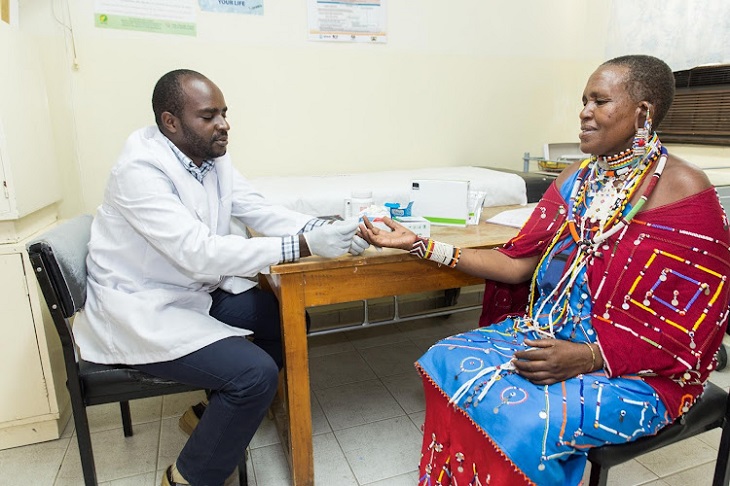
Magadi nomads are experiencing the advantages of outreach mobile clinics, which have significantly reduced fatalities resulting from emergencies like maternal mortality.
KEY TAKEAWAYS
The residents of the region are faced with frequent droughts, poverty, scarcity of clean water, poor sanitation, low literacy rate, and poor physical infrastructure, presenting the community with a host of health problems. Further to these problems, HIV/AIDS epidemic in the community also demands attention.
In the heart of Kenya’s rugged terrain, where the sun kisses the earth and the land tells tales of ancient wisdom, a remarkable transformation is taking place, a transformation that tells the story of healing, compassion, and hopes.
It’s a story that beautifully weaves together science, compassion, and community: the tale of how Tata Chemicals, the largest producer of soda ash in Africa and Kenya’s largest single exporter, has extended its expertise to touch lives and bring healing to the Magadi community through its Level 4 Hospital.
Imagine this: a land where alkaline soda lakes and dormant volcanoes paint a surreal backdrop, and the rhythm of life hums to the tune of the land’s heartbeat. Amidst this poetic landscape lies the Magadi community, which, for generations, has thrived in harmony with its surroundings. Yet, like any journey, theirs has been a path lined with challenges.

Enter Tata Chemicals Company, a beacon of corporate responsibility, whose ethos extends beyond boardrooms and profit margins. In a tale that would seem almost fictional if it weren’t true, Tata Chemicals has embarked on a journey that transcends its chemical prowess. It’s a journey that embraces the essence of humanity, the value of health, and the art of healing.
Read Also: Revolutionizing Healthcare In Africa Through Tech
At the heart of Tata Chemicals’ operations stands the Magadi Hospital, a Level 4 Hospital, a modern-day sanctuary that blends advanced medical care with an understanding of the community’s unique needs. It’s not just bricks and mortar; it’s a testament to Tata’s commitment to empowering the Magadi community with the gift of health. Imagine walking through its corridors, where the air is filled not just with antiseptic scents, but with hope and the promise of a healthier tomorrow.
Magadi nomads are experiencing the advantages of outreach mobile clinics, which have significantly reduced fatalities resulting from emergencies like maternal mortality.
Read More:
- Addressing The Mental Health Consequences Of Gender-Based Violence In Kenya: Why It Matters
- Top Tips to Improve Your Oral Health
- Why Healthcare Is A Worrisome Issue For Us All
- Health Experts Deliver Damning Verdict On Kenya’s Nicotine Negativity
The Magadi Hospital, owned and operated by Tata Chemicals Magadi (TCM), has witnessed increased admissions from the local community due to its outreach services. Originally established to serve company staff, the hospital now extends its services to the broader community where there are no other medical facilities, providing mobile clinics that reach individuals residing within an 80-kilometer radius of the Level-Four facility covering a population of about 30,000 people.
The residents of the region are faced with frequent droughts, poverty, scarcity of clean water, poor sanitation, low literacy rate, and poor physical infrastructure, presenting the community with a host of health problems. Further to these problems, HIV/AIDS epidemic in the community also demands attention.
Read Also: Health Benefits Of Air Conditioners That You Didn’t Know
Magadi Hospital is a haven where the alchemy of modern medicine fuses with the traditions of the land. The hospital isn’t just a place where ailments are diagnosed and treated; it’s where the bonds of trust between Tata Chemicals and the Magadi community are forged. It’s where cutting-edge technology joins hands with compassion to create an environment where patients aren’t just numbers, but stories waiting to be rewritten.
In this initiative, the community is not a bystander; it’s the protagonist. Tata Chemicals’ approach goes beyond the hospital walls, engaging with the community to understand their needs and aspirations. It’s a relationship built on dialogue, understanding, and the simple act of listening. The result? A holistic ecosystem where health isn’t an isolated concept but a way of life.
Think about the ripple effects of this endeavor. It’s not just about curing illnesses; it’s about empowering generations. It’s about nurturing dreams, enabling potential, and ensuring that the Magadi community stands tall, healthy, and resilient against the tides of time. It’s about creating a narrative where the Magadi community isn’t defined by its challenges but by its triumphs.

About Juma
Juma is an enthusiastic journalist who believes that journalism has power to change the world either negatively or positively depending on how one uses it.(020) 528 0222 or Email: info@sokodirectory.com

- January 2026 (220)
- February 2026 (248)
- March 2026 (287)
- April 2026 (207)
- May 2026 (192)
- June 2026 (238)
- July 2026 (279)
- August 2026 (211)
- January 2025 (119)
- February 2025 (191)
- March 2025 (212)
- April 2025 (193)
- May 2025 (161)
- June 2025 (157)
- July 2025 (227)
- August 2025 (211)
- September 2025 (267)
- October 2025 (297)
- November 2025 (230)
- December 2025 (220)
- January 2024 (238)
- February 2024 (227)
- March 2024 (190)
- April 2024 (133)
- May 2024 (157)
- June 2024 (145)
- July 2024 (136)
- August 2024 (154)
- September 2024 (212)
- October 2024 (255)
- November 2024 (196)
- December 2024 (143)
- January 2023 (182)
- February 2023 (203)
- March 2023 (322)
- April 2023 (297)
- May 2023 (267)
- June 2023 (214)
- July 2023 (212)
- August 2023 (257)
- September 2023 (237)
- October 2023 (264)
- November 2023 (286)
- December 2023 (177)
- January 2022 (293)
- February 2022 (329)
- March 2022 (358)
- April 2022 (292)
- May 2022 (271)
- June 2022 (232)
- July 2022 (278)
- August 2022 (253)
- September 2022 (246)
- October 2022 (196)
- November 2022 (232)
- December 2022 (167)
- January 2021 (182)
- February 2021 (227)
- March 2021 (325)
- April 2021 (259)
- May 2021 (285)
- June 2021 (272)
- July 2021 (277)
- August 2021 (232)
- September 2021 (271)
- October 2021 (303)
- November 2021 (364)
- December 2021 (249)
- January 2020 (272)
- February 2020 (310)
- March 2020 (390)
- April 2020 (321)
- May 2020 (335)
- June 2020 (327)
- July 2020 (333)
- August 2020 (276)
- September 2020 (214)
- October 2020 (233)
- November 2020 (242)
- December 2020 (187)
- January 2019 (251)
- February 2019 (215)
- March 2019 (283)
- April 2019 (254)
- May 2019 (269)
- June 2019 (249)
- July 2019 (335)
- August 2019 (292)
- September 2019 (306)
- October 2019 (313)
- November 2019 (362)
- December 2019 (318)
- January 2018 (291)
- February 2018 (213)
- March 2018 (275)
- April 2018 (223)
- May 2018 (235)
- June 2018 (176)
- July 2018 (256)
- August 2018 (247)
- September 2018 (255)
- October 2018 (282)
- November 2018 (282)
- December 2018 (184)
- January 2017 (183)
- February 2017 (194)
- March 2017 (207)
- April 2017 (104)
- May 2017 (169)
- June 2017 (205)
- July 2017 (189)
- August 2017 (195)
- September 2017 (186)
- October 2017 (235)
- November 2017 (253)
- December 2017 (266)
- January 2016 (164)
- February 2016 (165)
- March 2016 (189)
- April 2016 (143)
- May 2016 (245)
- June 2016 (182)
- July 2016 (271)
- August 2016 (247)
- September 2016 (233)
- October 2016 (191)
- November 2016 (243)
- December 2016 (153)
- January 2015 (1)
- February 2015 (4)
- March 2015 (164)
- April 2015 (107)
- May 2015 (116)
- June 2015 (119)
- July 2015 (145)
- August 2015 (157)
- September 2015 (186)
- October 2015 (169)
- November 2015 (173)
- December 2015 (205)
- March 2014 (2)
- March 2013 (10)
- June 2013 (1)
- March 2012 (7)
- April 2012 (15)
- May 2012 (1)
- July 2012 (1)
- August 2012 (4)
- October 2012 (2)
- November 2012 (2)
- December 2012 (1)