
Behind Every Fairtrade Mark: The Powerful Impact Your Holiday Purchases Can Make
There’s something about December that nudges us to look outward — to gather, to give, to remember that our choices ripple far beyond the shopping cart. And this year, that ripple is feeling more urgent. Climate change is squeezing farmers. Global markets are shifting. And somewhere between our holiday playlists and gift wrapping, the question quietly rises – who made the things we’re giving?
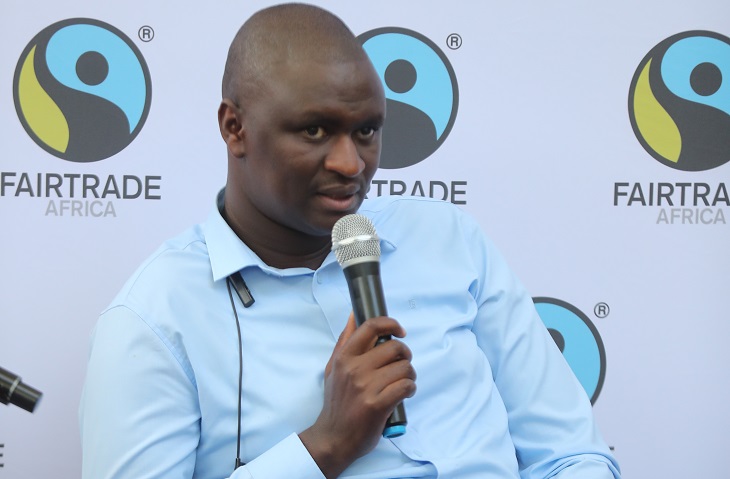
Fairtrade Africa answered that question in a recent conversation at the launch of their Be Fair Right Now campaign that pulled back the curtain on what it actually means to buy better and why the smallest, most everyday purchases can change lives in ways we rarely imagine.
The surprising gap in what we think we know

When Fairtrade Africa asked consumers how familiar they were with the movement, most people said they were “somewhat aware.” But when asked why they don’t choose Fairtrade products, over 75% blamed one thing: lack of information.
In other words, people care — deeply — but they don’t know where to start. So let’s start here.
Real farmers, real families
In the slopes of Mount Kenya, the Mutira Coffee Cooperative, 7,500 smallholder farmers strong, is rewriting Kenya’s coffee story. Martin, their manager, shared how they’ve gone from traditional practices to pioneering value addition, earning their position as one of Kenya’s most certified cooperatives.
Last year alone their local coffee consumption program helped them earn over 10 million KES in premiums through Fairtrade certification, enough to purchase new machines to meet rising Kenyan demand. Yes – drinking local coffee has literally transformed their farmers’ livelihoods.
On the other side of Mount Kenya, the Gatunguru Tea Factory is proving that “small scale” doesn’t mean small impact. With over 10,000 micro-plot farmers — many with less than half an acre — they’re sustaining Kenya’s water towers, protecting riverbanks, diversifying into avocado farming, empowering youth, and even training women into leadership roles. Their next frontier? Fairtrade-certified honey.
You read that right! Soon you’ll be drizzling Fairtrade honey from the Aberdares onto your Christmas scones.
Brands that walk the talk
Kericho Gold was among the earliest adopters of Fairtrade certification in Kenya. Today, the brand is exporting to Europe, the Middle East, and Australia, driven by consumers who want products that uphold fairness from farm to shelf.
Fairtrade certification hasn’t just boosted their reputation, it has opened doors across the globe. As Mary from Kericho Gold put it, “Consumers now come to us saying we want this because we know what you stand for.”
What your purchase actually does
Here’s where the story becomes beautifully simple.
Every Fairtrade product carries something called a premium — a small, additional sum that goes directly back to farmers. This premium has funded:
Early childhood education for farming communities, scholarships, school fees, and college bursaries, massive environmental conservation efforts, youth employment programs, women’s leadership training, mental health, wellness, and fair working conditions, modern beehives built by local youth, and the largest coffee nursery among Kenya’s cooperatives. This is just some of what Fairtrade certification can do for local producers.
It’s rewriting the story of men and women, many of whom have farmed for generations, finally getting a fair shot.
What does this mean for Christmas?
It means your festive gifting can do more than delight a loved one. It can build classrooms. It can protect forests. It can help a young woman rise to her first leadership position. It can give a coffee-growing grandmother the confidence that her work matters beyond her hills.
So when you’re putting together those gift hampers, Secret Santa bags, or New Year breakfast spreads, here are a few thoughtful swaps:
Swap 1: Regular Coffee → Fairtrade Kenyan Coffee from Dormans
A gift that warms hands and uplifts thousands of smallholder families.
Swap 2: Tea Bags → Kericho Gold Fairtrade Tea
A simple box carries decades of impact — and yes, it tastes better when you know who grew it.
Swap 3: Honey → Fairtrade Honey from Aberdare Youth Producers (coming soon)
Imagine gifting the first batch of honey made through forest-friendly beekeeping led by local youth.
Swap 4: Chocolate, Flowers, Spices → Always Look for the Fairtrade Mark
A tiny blue-green icon, a giant behind-the-scenes transformation.
The gift that outlines Christmas
In a season where we often buy things destined to be forgotten by February, choosing Fairtrade is a conscious decision to let your gift keep living. To let it plant trees, educate children, empower women, and dignify the hands that grew it.
As Paul Colditz, Director of Fairtrade Africa described it, the Fairtrade mark isn’t just a symbol.
“It’s a person with a superpower — and the superpower is yours.”
So go on.
Wrap something this Christmas that wraps someone else in possibility.

About Soko Directory Team
Soko Directory is a Financial and Markets digital portal that tracks brands, listed firms on the NSE, SMEs and trend setters in the markets eco-system.Find us on Facebook: facebook.com/SokoDirectory and on Twitter: twitter.com/SokoDirectory
- January 2026 (220)
- February 2026 (241)
- March 2026 (36)
- January 2025 (119)
- February 2025 (191)
- March 2025 (212)
- April 2025 (193)
- May 2025 (161)
- June 2025 (157)
- July 2025 (227)
- August 2025 (211)
- September 2025 (270)
- October 2025 (297)
- November 2025 (230)
- December 2025 (219)
- January 2024 (238)
- February 2024 (227)
- March 2024 (190)
- April 2024 (133)
- May 2024 (157)
- June 2024 (145)
- July 2024 (136)
- August 2024 (154)
- September 2024 (212)
- October 2024 (255)
- November 2024 (196)
- December 2024 (143)
- January 2023 (182)
- February 2023 (203)
- March 2023 (322)
- April 2023 (297)
- May 2023 (267)
- June 2023 (214)
- July 2023 (212)
- August 2023 (257)
- September 2023 (237)
- October 2023 (264)
- November 2023 (286)
- December 2023 (177)
- January 2022 (293)
- February 2022 (329)
- March 2022 (358)
- April 2022 (292)
- May 2022 (271)
- June 2022 (232)
- July 2022 (278)
- August 2022 (253)
- September 2022 (246)
- October 2022 (196)
- November 2022 (232)
- December 2022 (167)
- January 2021 (182)
- February 2021 (227)
- March 2021 (325)
- April 2021 (259)
- May 2021 (285)
- June 2021 (272)
- July 2021 (277)
- August 2021 (232)
- September 2021 (271)
- October 2021 (304)
- November 2021 (364)
- December 2021 (249)
- January 2020 (272)
- February 2020 (310)
- March 2020 (390)
- April 2020 (321)
- May 2020 (335)
- June 2020 (327)
- July 2020 (333)
- August 2020 (276)
- September 2020 (214)
- October 2020 (233)
- November 2020 (242)
- December 2020 (187)
- January 2019 (251)
- February 2019 (215)
- March 2019 (283)
- April 2019 (254)
- May 2019 (269)
- June 2019 (249)
- July 2019 (335)
- August 2019 (293)
- September 2019 (306)
- October 2019 (313)
- November 2019 (362)
- December 2019 (318)
- January 2018 (291)
- February 2018 (213)
- March 2018 (275)
- April 2018 (223)
- May 2018 (235)
- June 2018 (176)
- July 2018 (256)
- August 2018 (247)
- September 2018 (255)
- October 2018 (282)
- November 2018 (282)
- December 2018 (184)
- January 2017 (183)
- February 2017 (194)
- March 2017 (207)
- April 2017 (104)
- May 2017 (169)
- June 2017 (205)
- July 2017 (189)
- August 2017 (195)
- September 2017 (186)
- October 2017 (235)
- November 2017 (253)
- December 2017 (266)
- January 2016 (164)
- February 2016 (165)
- March 2016 (189)
- April 2016 (143)
- May 2016 (245)
- June 2016 (182)
- July 2016 (271)
- August 2016 (247)
- September 2016 (233)
- October 2016 (191)
- November 2016 (243)
- December 2016 (153)
- January 2015 (1)
- February 2015 (4)
- March 2015 (164)
- April 2015 (107)
- May 2015 (116)
- June 2015 (119)
- July 2015 (145)
- August 2015 (157)
- September 2015 (186)
- October 2015 (169)
- November 2015 (173)
- December 2015 (205)
- March 2014 (2)
- March 2013 (10)
- June 2013 (1)
- March 2012 (7)
- April 2012 (15)
- May 2012 (1)
- July 2012 (1)
- August 2012 (4)
- October 2012 (2)
- November 2012 (2)
- December 2012 (1)