
APTECA Leads Push for Proactive Aflatoxin Control as Africa’s Milling Industry Tightens Food Safety Standards
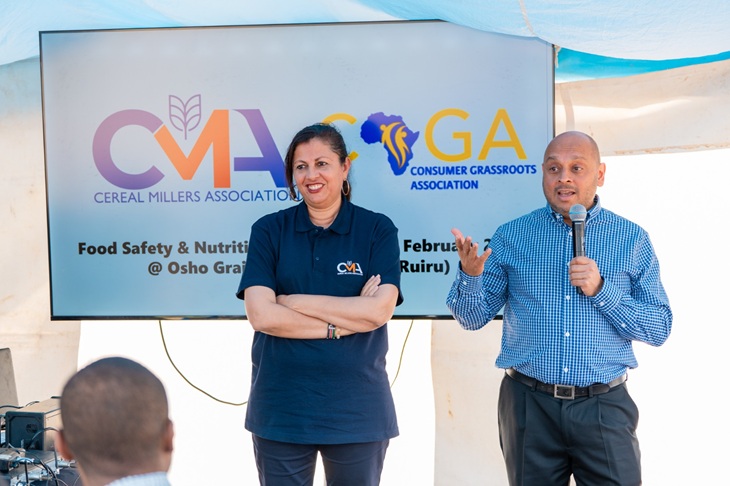
Africa’s grain milling industry is undergoing a significant transformation in the fight against aflatoxin contamination, with the African Proficiency Testing and Certification Association (APTECA) spearheading renewed efforts to strengthen food safety systems and expand proficiency testing across the continent.
Industry stakeholders say the shift from reactive crisis management to proactive risk prevention marks a turning point in consumer protection, particularly for vulnerable populations such as children.
Millers affiliated with the Cereal Millers Association (CMA) have in recent years substantially increased investments in food safety infrastructure. The emphasis is now on preventing contaminated maize from entering the food chain, rather than responding after exposure has already occurred.

Key improvements across the sector include routine aflatoxin testing, implementation of internationally recognized food safety management systems such as ISO 22000 and HACCP, enhanced supplier monitoring, strengthened laboratory capacity, improved traceability mechanisms, and regular proficiency testing to ensure testing accuracy.
“Quality has a cost, but it protects health,” industry representatives note, arguing that the long-term benefits of compliance outweigh short-term savings.
Understanding the Aflatoxin Threat
Aflatoxins are toxic compounds produced by fungi commonly found in soil. Contamination can occur during harvesting, particularly when maize is immature or inadequately dried, when grain is placed directly on soil instead of tarpaulins, or under poor storage conditions. The toxins are often concentrated in the outer layer of the maize kernel.
Climate change is compounding the challenge. Drought stress increases fungal growth, while rising temperatures accelerate aflatoxin formation, making food safety risks more severe and more frequent across the region.
Public health experts warn that children are especially vulnerable to aflatoxin exposure. When combined with poor nutrition, contaminated food can contribute to stunted growth, weakened immunity, and reduced cognitive performance.
The quality of food consumed today, experts caution, has long-term implications for health outcomes, education performance, and economic productivity.
Posho Milling Versus Commercial Milling
Small-scale “posho” milling remains popular due to its affordability, accessibility, and support for local economies. However, experts caution that it can carry significant food safety risks if maize quality and hygiene standards are not strictly observed.
Aflatoxin survives the milling process. If moldy or poorly stored maize is milled, contamination remains in the flour, potentially exposing entire households. Risks associated with informal milling include the absence of routine aflatoxin testing, hygiene concerns, cross-contamination from previous customers’ grain, lack of fortification, and no traceability or recall systems.
In contrast, large-scale commercial millers operate under stricter regulatory oversight, including mandatory aflatoxin testing and compliance with standards set by the Kenya Bureau of Standards (KEBS).
These millers are required to fortify flour with essential nutrients such as iron and zinc, maintain trained laboratory staff, and undergo regular certification audits and inspections. Traceability systems enable product recalls if safety concerns arise.
Industry leaders argue that while these investments increase production costs, they provide accountability and long-term health protection for consumers.
Helping Consumers Make Safer Choices
Consumers are urged to remain vigilant when purchasing both loose and packaged flour. Flour should be avoided if it smells musty, appears damp or clumped, contains visible mold specks, or shows signs of insect contamination.
When buying packaged flour, consumers are advised to look for the KEBS S-Mark, fortification logos, clear labeling including batch numbers and expiry dates, storage instructions, and intact, sealed packaging. Extremely low prices may signal the absence of testing, fortification, or traceability safeguards.
“The cheapest flour can become the most expensive in the long run,” stakeholders warn, citing potential healthcare costs and long-term impacts on family well-being.
Nutrition Beyond Safety
Beyond aflatoxin control, food fortification remains central to improving public health outcomes. Organizations such as TechnoServe are working with millers across nearly 30 countries to strengthen food systems and combat malnutrition through private-sector partnerships.
Through initiatives like Millers for Nutrition, stakeholders aim to improve the nutritional quality of staple foods and reach up to one billion people by 2026. The coalition provides technical assistance to millers, enhances operational efficiency, and recognizes top-performing companies advancing micronutrient fortification.
Experts note that malnutrition continues to impose significant economic costs by affecting productivity, healthcare spending, and educational attainment, reinforcing the importance of fortified, safe staple foods.
APTECA emphasizes that food safety is a shared responsibility across the value chain. Farmers are encouraged to properly dry maize, use safe storage methods, and avoid selling visibly moldy grain. Consumers can strengthen safe markets by supporting compliant brands, sharing accurate information, and reporting concerns responsibly.
“Informed consumers strengthen safe markets,” APTECA representatives say, underscoring that protecting Africa’s food supply requires collaboration among farmers, millers, regulators, development partners, and households alike.
As Africa’s milling industry shifts toward proactive food safety systems, stakeholders say the message is clear: protecting public health begins long before flour reaches the table.
Read Also: Take Adequate Measures To Contain Aflatoxin Maize

- January 2026 (220)
- February 2026 (243)
- March 2026 (72)
- January 2025 (119)
- February 2025 (191)
- March 2025 (212)
- April 2025 (193)
- May 2025 (161)
- June 2025 (157)
- July 2025 (227)
- August 2025 (211)
- September 2025 (270)
- October 2025 (297)
- November 2025 (230)
- December 2025 (219)
- January 2024 (238)
- February 2024 (227)
- March 2024 (190)
- April 2024 (133)
- May 2024 (157)
- June 2024 (145)
- July 2024 (136)
- August 2024 (154)
- September 2024 (212)
- October 2024 (255)
- November 2024 (196)
- December 2024 (143)
- January 2023 (182)
- February 2023 (203)
- March 2023 (322)
- April 2023 (297)
- May 2023 (267)
- June 2023 (214)
- July 2023 (212)
- August 2023 (257)
- September 2023 (237)
- October 2023 (264)
- November 2023 (286)
- December 2023 (177)
- January 2022 (293)
- February 2022 (329)
- March 2022 (358)
- April 2022 (292)
- May 2022 (271)
- June 2022 (232)
- July 2022 (278)
- August 2022 (253)
- September 2022 (246)
- October 2022 (196)
- November 2022 (232)
- December 2022 (167)
- January 2021 (182)
- February 2021 (227)
- March 2021 (325)
- April 2021 (259)
- May 2021 (285)
- June 2021 (272)
- July 2021 (277)
- August 2021 (232)
- September 2021 (271)
- October 2021 (304)
- November 2021 (364)
- December 2021 (249)
- January 2020 (272)
- February 2020 (310)
- March 2020 (390)
- April 2020 (321)
- May 2020 (335)
- June 2020 (327)
- July 2020 (333)
- August 2020 (276)
- September 2020 (214)
- October 2020 (233)
- November 2020 (242)
- December 2020 (187)
- January 2019 (251)
- February 2019 (215)
- March 2019 (283)
- April 2019 (254)
- May 2019 (269)
- June 2019 (249)
- July 2019 (335)
- August 2019 (293)
- September 2019 (306)
- October 2019 (313)
- November 2019 (362)
- December 2019 (318)
- January 2018 (291)
- February 2018 (213)
- March 2018 (275)
- April 2018 (223)
- May 2018 (235)
- June 2018 (176)
- July 2018 (256)
- August 2018 (247)
- September 2018 (255)
- October 2018 (282)
- November 2018 (282)
- December 2018 (184)
- January 2017 (183)
- February 2017 (194)
- March 2017 (207)
- April 2017 (104)
- May 2017 (169)
- June 2017 (205)
- July 2017 (189)
- August 2017 (195)
- September 2017 (186)
- October 2017 (235)
- November 2017 (253)
- December 2017 (266)
- January 2016 (164)
- February 2016 (165)
- March 2016 (189)
- April 2016 (143)
- May 2016 (245)
- June 2016 (182)
- July 2016 (271)
- August 2016 (247)
- September 2016 (233)
- October 2016 (191)
- November 2016 (243)
- December 2016 (153)
- January 2015 (1)
- February 2015 (4)
- March 2015 (164)
- April 2015 (107)
- May 2015 (116)
- June 2015 (119)
- July 2015 (145)
- August 2015 (157)
- September 2015 (186)
- October 2015 (169)
- November 2015 (173)
- December 2015 (205)
- March 2014 (2)
- March 2013 (10)
- June 2013 (1)
- March 2012 (7)
- April 2012 (15)
- May 2012 (1)
- July 2012 (1)
- August 2012 (4)
- October 2012 (2)
- November 2012 (2)
- December 2012 (1)