
Why KRA’s Latest iTax Update Is Good News for Small Businesses in Kenya
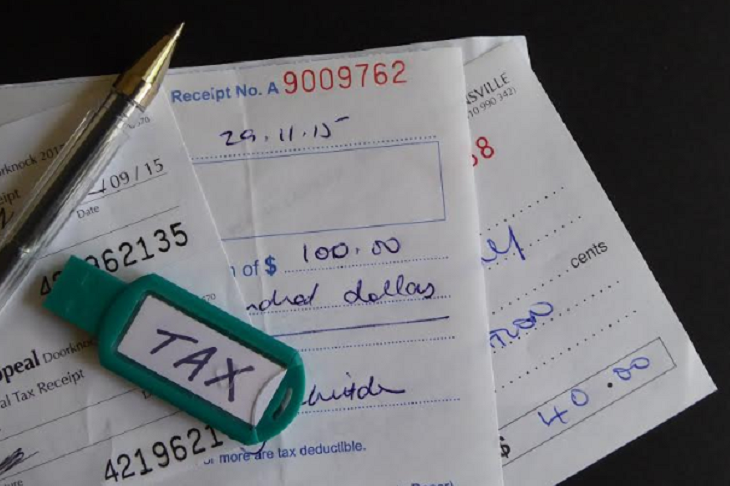
For many Kenyan businesses, tax season is usually stressful. From missing receipts to complicated filing procedures, many entrepreneurs struggle to complete their returns correctly. Small businesses, in particular, often face challenges when dealing with suppliers who do not issue electronic invoices.
Now, the Kenya Revenue Authority (KRA) has introduced new updates to the iTax system that could make life easier for thousands of businesses across the country. These changes may look technical at first, but they carry a big impact for traders, SMEs, shop owners, freelancers, and even large companies that deal with informal suppliers every day.
Why eTIMS Was Introduced
KRA introduced the Electronic Tax Invoice Management System (eTIMS) to improve transparency in business transactions. The idea was simple: every transaction should have an electronic invoice that can be verified easily. This helps reduce tax evasion and creates a clear business record.

While the system works well for formal businesses, it creates problems for people operating in the informal sector. Many businesses buy products or services from farmers, Jua Kali artisans, roadside vendors, transport operators, and small traders who do not issue eTIMS invoices.
Yet these are real business expenses.
A hardware shop may buy metal parts from a Jua Kali artisan. A hotel may buy vegetables from farmers in the market. A small business owner may use matatus or boda bodas for work-related transport. These are everyday transactions that keep businesses running.
The Big Challenge Businesses Faced
Previously, businesses were required to provide supplier PIN details when filing expenses through the Manual Non-eTIMS CSV upload feature. This became a major obstacle because many informal traders either lack KRA PINs or are unwilling to share them.
As a result, many taxpayers found themselves stuck. They had genuine expenses but could not claim them properly. Some businesses ended up omitting expenses entirely, leading to incomplete tax filings and potential financial losses.
For SMEs already struggling with high operating costs, this was frustrating.
The Good News From KRA
KRA has now made an important change.
The supplier PIN field on the Manual Non-eTIMS CSV upload is now optional. This means businesses can still declare valid expenses even when the supplier does not provide a PIN.
This is a major relief for businesses operating in Kenya’s real economy, where informal transactions are common.
The update shows that KRA is beginning to understand the realities many Kenyan businesses face daily. Instead of punishing businesses for dealing with informal suppliers, the system is now becoming more practical and flexible.
How the New System Helps Businesses
One of the biggest advantages of the updated system is convenience. Businesses can upload their Manual Non-eTIMS CSV and claim expenses immediately without waiting for approval.
This saves time and reduces unnecessary delays during tax filing.
The system also has smart error detection. If a wrong PIN is entered, the system automatically flags it and allows the taxpayer to correct it quickly. This reduces mistakes and helps businesses avoid filing errors that could create future problems.
For many entrepreneurs, this update could improve confidence when filing taxes.
Why This Matters for Kenya’s Economy
Kenya’s economy depends heavily on the informal sector. Millions of people earn a living through small-scale trade, farming, transport services, and Jua Kali businesses.
Large companies and SMEs interact with this sector every day. Ignoring this reality creates gaps in the tax system and makes compliance difficult.
By making supplier PINs optional, KRA is building a bridge between the formal and informal economy. This could encourage better compliance because businesses will no longer fear being blocked from claiming genuine expenses.
It also creates a more realistic tax environment where compliance is easier instead of stressful.
A Positive Step for SMEs
Small businesses are under pressure from rising taxes, expensive loans, inflation, and high operating costs. Many are fighting simply to survive.
Any move that simplifies compliance is welcome.
The latest iTax update may appear small, but for many SMEs, it represents something bigger: understanding. It shows that KRA is listening to taxpayers and adjusting systems based on practical experiences from the ground.