
List Of Commodities Whose Price Are Set To Rise
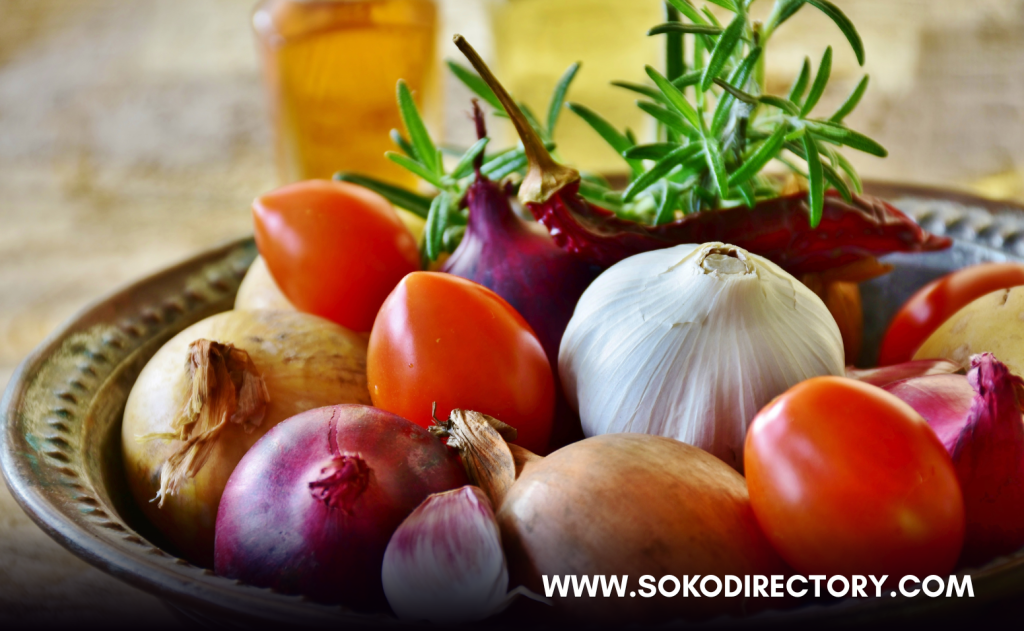
Electricity bills, beef, potatoes and mangoes all cost more last month, and that was enough to push Kenya’s inflation rate to 6.5 percent in July, even though a handful of everyday items, among them tomatoes, maize flour and cooking gas, actually got a little cheaper.
That is according to the Consumer Price Index and Inflation Report, the Kenya National Bureau of Statistics put out on Friday, July 31.
The headline number moved only slightly, from 6.4 percent in June to 6.5 percent in July, but the takeaway is simple enough: prices, on average, were 6.5 percent higher than they were in July last year.

“Annual consumer price inflation was 6.5 percent in July 2026, as measured by the Consumer Price Index (CPI),” KNBS said in the report, adding that this meant the general price level was 6.5 percent higher than a year earlier.
The agency blamed the uptick mostly on food. Food and non-alcoholic beverages rose 9.0 per cent over the year, transport climbed a much sharper 15.6 percent, and the housing, water, electricity, gas and fuels basket was up 3.2 percent.
Not everything went up, though. Tomatoes were the biggest mover on the way down, shedding 3.7 percent, with carrots not far off at 3.6 percent. A 2kg packet of sifted maize flour eased 1.6 per cent, and the fortified version slipped 1.2 percent. Refilling a 13kg gas cylinder got 1.1 per cent cheaper too, while beans and cooking oil both nudged down slightly.
On the flip side, electricity was one of the sharpest risers for the month; the 50-kWh band went up 3.5 percent, and the 200-kWh band climbed 3.1 percent. Mangoes rose 3.2 percent, potatoes 2.1 percent, and sukuma wiki, beef, onions, sugar and fresh packeted milk all crept up as well.
Fuel, at least, didn’t move. Petrol held at Ksh214.95 a litre and diesel at Ksh224.04, with kerosene also flat for the month.
Over the past year, transport has been the single biggest driver of the cost of living, up 15.6 per cent, with food close behind at 9.0 percent, a reminder that it’s the basics, more than anything else, that keep squeezing household budgets.
KNBS also pointed out that core inflation, which leaves out volatile items like food and energy, was a fairly tame 3.2 percent.
Non-core inflation was a different story altogether at 15.0 percent, which tells you most of the pain right now is coming from food and energy costs rather than the economy more broadly.
Read Also: A Look At Prices Of Sugar Across Naivas, Cleanshelf, Quickmart And Carrefour

- January 2026 (220)
- February 2026 (248)
- March 2026 (287)
- April 2026 (208)
- May 2026 (191)
- June 2026 (238)
- July 2026 (279)
- August 2026 (174)
- January 2025 (119)
- February 2025 (191)
- March 2025 (212)
- April 2025 (193)
- May 2025 (161)
- June 2025 (157)
- July 2025 (227)
- August 2025 (211)
- September 2025 (267)
- October 2025 (297)
- November 2025 (230)
- December 2025 (220)
- January 2024 (238)
- February 2024 (227)
- March 2024 (190)
- April 2024 (133)
- May 2024 (157)
- June 2024 (145)
- July 2024 (136)
- August 2024 (154)
- September 2024 (212)
- October 2024 (255)
- November 2024 (196)
- December 2024 (143)
- January 2023 (182)
- February 2023 (203)
- March 2023 (322)
- April 2023 (297)
- May 2023 (267)
- June 2023 (214)
- July 2023 (212)
- August 2023 (257)
- September 2023 (237)
- October 2023 (264)
- November 2023 (286)
- December 2023 (177)
- January 2022 (293)
- February 2022 (329)
- March 2022 (358)
- April 2022 (292)
- May 2022 (271)
- June 2022 (232)
- July 2022 (278)
- August 2022 (253)
- September 2022 (246)
- October 2022 (196)
- November 2022 (232)
- December 2022 (167)
- January 2021 (182)
- February 2021 (227)
- March 2021 (325)
- April 2021 (259)
- May 2021 (285)
- June 2021 (272)
- July 2021 (277)
- August 2021 (232)
- September 2021 (271)
- October 2021 (303)
- November 2021 (364)
- December 2021 (249)
- January 2020 (272)
- February 2020 (310)
- March 2020 (390)
- April 2020 (321)
- May 2020 (335)
- June 2020 (327)
- July 2020 (333)
- August 2020 (276)
- September 2020 (214)
- October 2020 (233)
- November 2020 (242)
- December 2020 (187)
- January 2019 (251)
- February 2019 (215)
- March 2019 (283)
- April 2019 (254)
- May 2019 (269)
- June 2019 (249)
- July 2019 (335)
- August 2019 (292)
- September 2019 (306)
- October 2019 (313)
- November 2019 (362)
- December 2019 (318)
- January 2018 (291)
- February 2018 (213)
- March 2018 (275)
- April 2018 (223)
- May 2018 (235)
- June 2018 (176)
- July 2018 (256)
- August 2018 (247)
- September 2018 (255)
- October 2018 (282)
- November 2018 (282)
- December 2018 (184)
- January 2017 (183)
- February 2017 (194)
- March 2017 (207)
- April 2017 (104)
- May 2017 (169)
- June 2017 (205)
- July 2017 (189)
- August 2017 (195)
- September 2017 (186)
- October 2017 (235)
- November 2017 (253)
- December 2017 (266)
- January 2016 (164)
- February 2016 (165)
- March 2016 (189)
- April 2016 (143)
- May 2016 (245)
- June 2016 (182)
- July 2016 (271)
- August 2016 (247)
- September 2016 (233)
- October 2016 (191)
- November 2016 (243)
- December 2016 (153)
- January 2015 (1)
- February 2015 (4)
- March 2015 (164)
- April 2015 (107)
- May 2015 (116)
- June 2015 (119)
- July 2015 (145)
- August 2015 (157)
- September 2015 (186)
- October 2015 (169)
- November 2015 (173)
- December 2015 (205)
- March 2014 (2)
- March 2013 (10)
- June 2013 (1)
- March 2012 (7)
- April 2012 (15)
- May 2012 (1)
- July 2012 (1)
- August 2012 (4)
- October 2012 (2)
- November 2012 (2)
- December 2012 (1)