Kenya Bets On China Ties To Push Tea, Avocado Exports And Boost Local Manufacturing
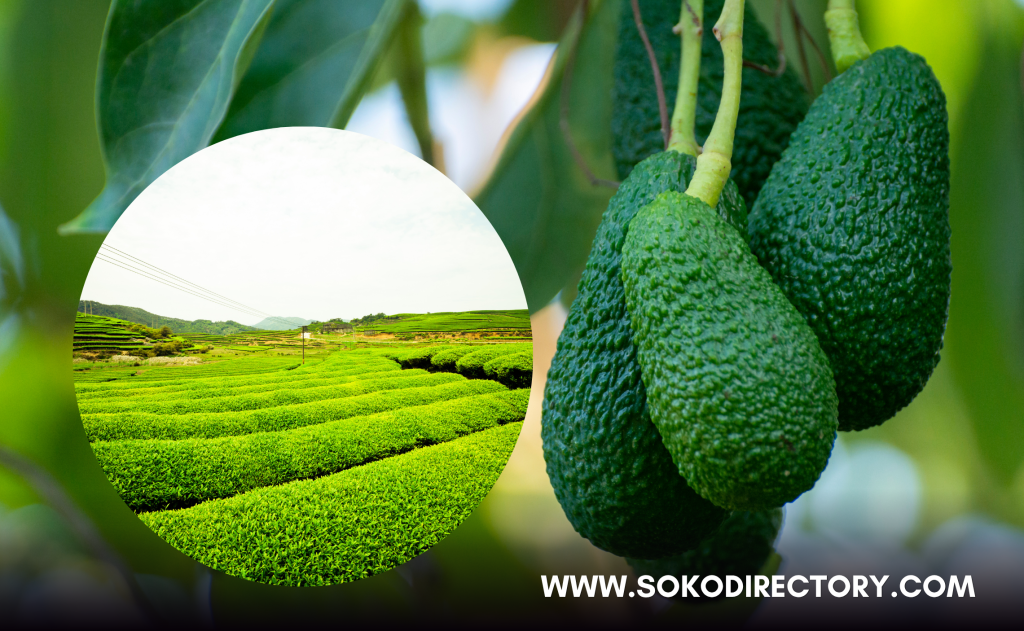
Kenya is leaning harder into its relationship with China, looking to grow exports of tea, avocados and other farm produce while also building up its manufacturing base and logistics networks at home.
For years, Kenyan exporters have run into the same roadblocks: outdated technology, limited processing capacity, and logistics costs that eat into margins before goods even leave the country. The China partnership is now being positioned as a way to chip away at those problems.
According to Ombam, one of the clearest benefits so far has been technology transfer, particularly through industrial parks that China has helped develop.

The idea is straightforward: give Kenyan manufacturing a real boost and open up more room for value addition, rather than shipping out raw materials that generate less revenue.
These industrial parks would let Kenyan farm goods get processed on home soil before they’re exported, which could mean higher returns and more jobs, both in agriculture and manufacturing.
There’s also a cold-chain angle. Kenya is working to link up its cold storage and refrigerated transport systems with Chinese-backed infrastructure projects, aiming to get fresh produce moving faster and in better condition.
Part of that plan leans on the Standard Gauge Railway, using it to shift goods from farming regions to export hubs more efficiently than road transport alone allows.
Temperature control matters a lot here, especially for avocados and other perishable horticultural products. If the cold chain holds up from farm to port, Kenya stands to lose less produce after harvest and deliver goods to Chinese buyers that are still fresh and up to standard.
All of this is happening as Kenya tries to lock in better access to China’s massive consumer market, while also spreading its export risk across more destinations rather than relying too heavily on any single market.
The thinking goes beyond just selling more raw goods abroad. By pairing market access with investment in tech, processing plants, cold storage and transport links, Kenya wants to shift toward exporting more finished or semi-finished products, the kind that actually command better prices internationally.
Seen that way, the China partnership isn’t just about trade volumes. It’s part of a wider push to strengthen Kenya’s agricultural supply chains, grow its manufacturing sector, and make locally made goods more competitive on the world stage.
Read Also: Maize Shortage Pushes Flour Prices To Ksh163 As Kenya Plans Imports