
The Quiet Tax on Your Savings: How Banking Fees Erode Your Wealth Over Time
Most people track their salary, their rent, and their big-ticket purchases with real discipline. Few people track the small transaction fee charged every time they withdraw cash, send money to a friend, or move funds between banks. That gap in attention is exactly why banking fees have become one of the most underestimated threats to long-term personal wealth. They don’t announce themselves the way a big expense does. They arrive in fractions, fifty shillings here, a percentage there, and because each one feels trivial, almost nobody stops to add them up.
That is the real danger. Banking fees are not designed to feel painful. They are designed to feel forgettable.
The Illusion of “Small” Costs

Consider a saver who withdraws cash from an ATM twice a week, sends money via mobile transfer a few times a month, and occasionally moves funds between banks to consolidate savings. Individually, none of these transactions feel expensive. But multiply a modest fee by fifty-two weeks, and then by ten or twenty years, and the picture changes entirely. A fee of even a few hundred shillings per transaction, repeated weekly, can quietly remove tens of thousands of shillings from a person’s finances over a decade, money that never had the chance to sit in a savings account, earn interest, or compound.
This is the part conventional financial advice tends to skip. People are told to save more, spend less, and invest early. Rarely are they told that the very infrastructure they use to manage their money- transfers, withdrawals, deposits- can be silently working against those goals.
Compounding Works Both Ways
Every finance textbook celebrates compound interest as the saver’s greatest ally. Fewer people apply the same logic in reverse. A recurring fee, however small, is a negative compounding force. Money spent on transaction charges is money that cannot generate interest, cannot be reinvested, and cannot benefit from market growth. Over a long enough timeline, the opportunity cost of fees can rival the cost of a poor investment decision.
This is why serious personal finance thinking has to include a line item most household budgets ignore: the cumulative cost of “free” banking activity that isn’t actually free.
Why the Choice of Bank Matters More Than People Think
Because these costs are structural rather than occasional, the fix is rarely about behavior change but is about choosing a banking relationship that doesn’t tax ordinary financial activity in the first place. This is where the fee structure of a bank becomes a genuine wealth-building decision rather than a convenience preference.
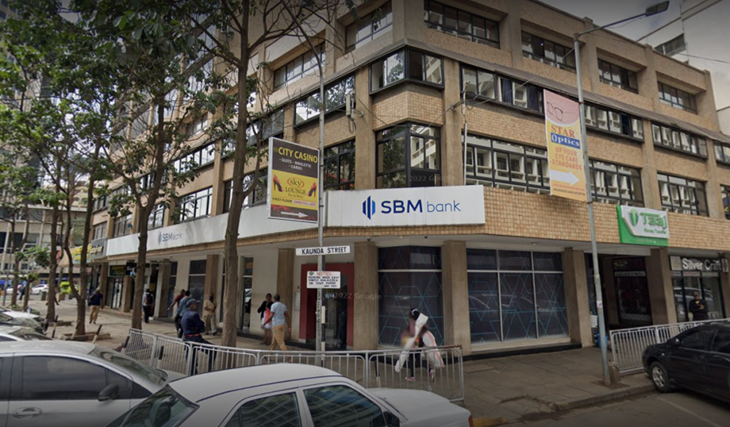
SBM Bank offers a useful illustration of what this looks like in practice. Customers using SBM Bank benefit from free ATM withdrawals, including on Mastercard-branded ATMs internationally, and free PesaLink transfers for amounts between Kes 1-999,999. On the surface, these look like customer-service perks. Viewed through a long-term savings lens, they are something more significant: the removal of a recurring drag on personal capital.
A saver who never pays for moving, withdrawing, or depositing money keeps the entirety of what they earn working for them, rather than leaking it out through the very channels meant to manage it. Over years, that difference is not cosmetic. It is the difference between a saver who reaches their goals on schedule and one who quietly falls behind without ever making an objectively “bad” financial decision.
Rethinking What Counts as a Financial Decision
The lesson here is not simply “avoid fees.” It’s broader: recognize that where you bank is a financial decision with the same long-term weight as how you invest or how much you save. A fee-free structure does not make anyone wealthy on its own, but it removes friction that otherwise works against every other good habit a saver builds.
In personal finance, the biggest threats are rarely the ones that feel dramatic. They are the ones that hide in plain sight, transaction after transaction, until the years reveal exactly how much they cost.
Read Also: The Free Transaction Race: Why SBM Bank Is Quietly Winning Kenya’s Banking Wars in 2026

About Soko Directory Team
Soko Directory is a Financial and Markets digital portal that tracks brands, listed firms on the NSE, SMEs and trend setters in the markets eco-system.Find us on Facebook: facebook.com/SokoDirectory and on Twitter: twitter.com/SokoDirectory

- January 2026 (220)
- February 2026 (248)
- March 2026 (287)
- April 2026 (208)
- May 2026 (191)
- June 2026 (238)
- July 2026 (279)
- August 2026 (98)
- January 2025 (119)
- February 2025 (191)
- March 2025 (212)
- April 2025 (193)
- May 2025 (161)
- June 2025 (157)
- July 2025 (227)
- August 2025 (211)
- September 2025 (267)
- October 2025 (297)
- November 2025 (230)
- December 2025 (220)
- January 2024 (238)
- February 2024 (227)
- March 2024 (190)
- April 2024 (133)
- May 2024 (157)
- June 2024 (145)
- July 2024 (136)
- August 2024 (154)
- September 2024 (212)
- October 2024 (255)
- November 2024 (196)
- December 2024 (143)
- January 2023 (182)
- February 2023 (203)
- March 2023 (322)
- April 2023 (297)
- May 2023 (267)
- June 2023 (214)
- July 2023 (212)
- August 2023 (257)
- September 2023 (237)
- October 2023 (264)
- November 2023 (286)
- December 2023 (177)
- January 2022 (293)
- February 2022 (329)
- March 2022 (358)
- April 2022 (292)
- May 2022 (271)
- June 2022 (232)
- July 2022 (278)
- August 2022 (253)
- September 2022 (246)
- October 2022 (196)
- November 2022 (232)
- December 2022 (167)
- January 2021 (182)
- February 2021 (227)
- March 2021 (325)
- April 2021 (259)
- May 2021 (285)
- June 2021 (272)
- July 2021 (277)
- August 2021 (232)
- September 2021 (271)
- October 2021 (304)
- November 2021 (364)
- December 2021 (249)
- January 2020 (272)
- February 2020 (310)
- March 2020 (390)
- April 2020 (321)
- May 2020 (335)
- June 2020 (327)
- July 2020 (333)
- August 2020 (276)
- September 2020 (214)
- October 2020 (233)
- November 2020 (242)
- December 2020 (187)
- January 2019 (251)
- February 2019 (215)
- March 2019 (283)
- April 2019 (254)
- May 2019 (269)
- June 2019 (249)
- July 2019 (335)
- August 2019 (292)
- September 2019 (306)
- October 2019 (313)
- November 2019 (362)
- December 2019 (318)
- January 2018 (291)
- February 2018 (213)
- March 2018 (275)
- April 2018 (223)
- May 2018 (235)
- June 2018 (176)
- July 2018 (256)
- August 2018 (247)
- September 2018 (255)
- October 2018 (282)
- November 2018 (282)
- December 2018 (184)
- January 2017 (183)
- February 2017 (194)
- March 2017 (207)
- April 2017 (104)
- May 2017 (169)
- June 2017 (205)
- July 2017 (189)
- August 2017 (195)
- September 2017 (186)
- October 2017 (235)
- November 2017 (253)
- December 2017 (266)
- January 2016 (164)
- February 2016 (165)
- March 2016 (189)
- April 2016 (143)
- May 2016 (245)
- June 2016 (182)
- July 2016 (271)
- August 2016 (247)
- September 2016 (233)
- October 2016 (191)
- November 2016 (243)
- December 2016 (153)
- January 2015 (1)
- February 2015 (4)
- March 2015 (164)
- April 2015 (107)
- May 2015 (116)
- June 2015 (119)
- July 2015 (145)
- August 2015 (157)
- September 2015 (186)
- October 2015 (169)
- November 2015 (173)
- December 2015 (205)
- March 2014 (2)
- March 2013 (10)
- June 2013 (1)
- March 2012 (7)
- April 2012 (15)
- May 2012 (1)
- July 2012 (1)
- August 2012 (4)
- October 2012 (2)
- November 2012 (2)
- December 2012 (1)