
Investment Options To Awaken Bungoma County’s Economic Potential
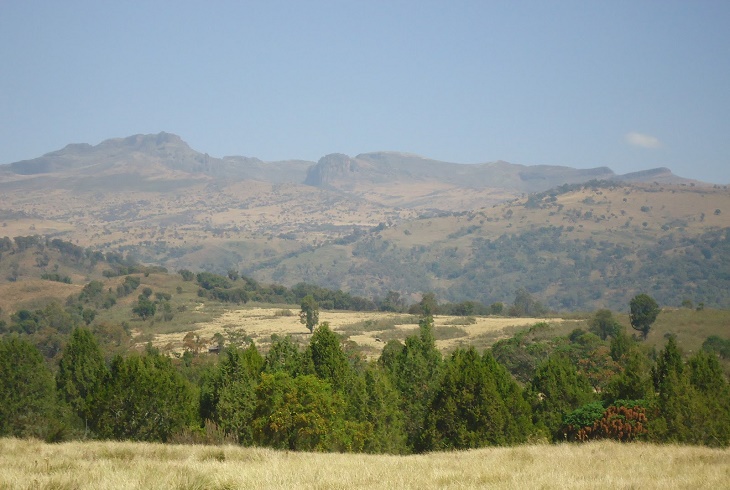
Bungoma is a town in Bungoma County of Kenya, bordered by Uganda in the west. Bungoma town was established as a trading centre in the early 20th century. The town is the headquarters of Kenya’s Bungoma County.
Being the headquarters of the region, it borders the Republic of Uganda to the West and lies between latitude 0° 25.3’ and 0° 53.2’ north and longitude 34° 21.4’ and 35° 04’ East.
To the north, it borders Trans-Nzoia district to the East Kakamega district to the south Mumias Butere district and southwest it borders Busia and Teso districts. It covers a land area of 2,068.5 km2 or a quarter of the province.

The town is accessible by air, rail and road from the capital city of Nairobi 450 km away where Kenya’s leading airport-Jomo Kenyatta International Airport (JKIA) is located.
Local flights are available from Nairobi’s Wilson Airport to Eldoret and Kisumu cities both of which are only an hour’s drive away.
Other entry points into Kenya through Malaba and Busia along its western border with Uganda enables one to obtain a visa at the immigration offices there and then a quick drive into the town.
Other entry points into Kenya by road include- Lokichoggio on the border with Sudan from where one can drive through the Arid North West, through Ortum, Kapenguria, Kitale and then Bungoma.
The town is also made up of several satellite towns that have their unique socioeconomic importance to it: Kimililii town, Webuye town located 25 Km from the town home to the Panpaper factory, and Chwele town which is the second largest market in the
Bungoma town in the recent years has seen almost all the major players in the banking and insurance sector setting up camp in readiness for county business and word in the corridors of finance is that Bungoma is the place to be especially for any bank as its retail business rivals that of Kisumu, Busia, Malaba and Eldoret put together with unconfirmed reports that the town is a conduit for over Kshs. 950M daily from various sectors of the economy, key being retail, Sacco’s and government business.
This justifies that it is not only an agricultural town as it were when it was established.
For many years, the town has grown with major opportunities in the agricultural sector, health and education sector in the expansive county of 1,630,934 people contributing a large share of the national product up to 40 percent.
Currently, Bungoma town remains the biggest administrative and commercial capital as well as growing financial centre with all leading commercial banks having set up branches there.
Wholesale and retail trade and Jua Kali (informal sector) is thriving.
Bungoma as a county, has great potential as far as investment opportunities are concerned. It engages in a number of economic activities including agriculture, manufacturing, services, and even retail.
Some of the major banking facilities in the Bungoma County include: Co-operative Bank of Kenya, Consolidated Bank of Kenya, Barclays Bank, National Bank of Kenya, K-Rep Bank, Post Bank of Kenya, Kenya Commercial Bank, Bank of Africa, Equity Bank, Diamond Trust Bank Kenya Ltd.
On the education front a number of colleges have set up camp to empower the local community and they include: Masinde Muliro University of Science and Technology, Moi University Satellite Campus, African Institute of Research and Development Studies, Kenyatta University, Sang’alo Institute, Kibabii TTC, Kibabii University Kisiwa Institute and Kenya Medical Training Institute KMTC.
Manufacturing
Bungoma has two major manufacturing industries, these are, Rai Paper Formerly Pan Paper Mills (East Africa) and Nzoia Sugar Company limited. Both of these companies have been undergoing major challenges in which Pan paper collapsed in 2009, it was revived but the company is still operating in low scale.
Nzoia Sugar Company Limited, on the other hand, has been experiencing frequent closures occasioned by mismanagement. With Bungoma having sugarcane as its major cash crop there is an opportunity for a manufacturing industry to be established that can process the produce into finished goods such as ethanol, sugar, bioplastics, renewable energy and biodegradable paper.
Construction
Bungoma is still a developing county in terms of infrastructure, the government is embarking on development projects such as the construction of the Lower Nzoia irrigation project. There are roads in Bungoma that are yet to be constructed too. An investor can take advantage of government tenders to supply materials for the implementation of these projects.
Real estate
The real estate industry is yet to be fully established, with a population of 1.3 million that is still growing, modern homes can have very high market demand. The county has extensive land that is still not in use and can be rented or leased for the purpose of real estate.
Transportation
The transportation industry in Bungoma is characterized by the use of motorcycles. With the extensive construction of roads going on in the county, public transportation in form of minibuses and buses are a viable business opportunity.
Hospitality industry
Besides agriculture, the tourism sector will be a leading sector in achieving the county’s growth. The county has many potential tourist attraction sites that are yet to be exploited. The niche products initiative in the tourism sector of vision 2030 aims at providing 3,000 beds high-cost accommodation for tourists interested in cultural and eco-tourism, as well as water-based sports and related activities.
Despite having some potential for tourism including in the Mt. Elgon National Park, the hotel industry is still uunderdevelopedin the region. With the investment the government is putting in to enhance the tourism industry, the hospitality industry is bound to be profitable especially in an area like Webuye.
The history of the two major communities residing in Webuye lies in the famous Chetambe War between bukusu community and the white men that took place at the lukoba lwa chetambe on top of Chetambe hills. The historical site where the war took place offers a great tourist attraction.

The famous Chetambe hills situated within the municipality, besides offering the beautiful view of the town.
Within the municipality also lies Nabuyole Falls that are a product of the River Nzoia which offers great tourist attraction site with its flooded and fast moving water.
Biodegradable packaging bags
Bungoma County has had a vibrant retail sector which has been growing. The major supermarkets operating in the county include Nakumatt, Naivas, Khetias, and Shariffs. With the plastic ban that was effected in the country there is a market gap in terms of bags that customers can use for shopping purposes.

Agriculture
Bungoma is largely an agricultural Country. Vision 2030 aims at raising incomes in agriculture, livestock and fisheries by processing and thereby adding value to products before they reach the market. This can be done through an innovative, commercially oriented and modern agriculture, livestock and fisheries sector.
One, Transforming key institutions in agriculture and livestock to promote household and private Sector agricultural growth.
Two, increased productivity of crops and livestock. Introduction of new land use policies through better utilization of high and medium potential lands, prepare new lands for cultivation by and by improving market access to small holders through better marketing; Preparation and passage of consolidated agricultural policy reform legislation; Development and commencement of the implementation of a 3-tiered fertilizer cost reduction programme; improvement of value gained in the production and supply chain through branding Kenyan farm products; planning and implementation of 4-5 Disease Free Zones and livestock processing facilities to enable Kenyan meat, hides and skins to meet international marketing standards.

About Soko Directory Team
Soko Directory is a Financial and Markets digital portal that tracks brands, listed firms on the NSE, SMEs and trend setters in the markets eco-system.Find us on Facebook: facebook.com/SokoDirectory and on Twitter: twitter.com/SokoDirectory

- January 2026 (220)
- February 2026 (248)
- March 2026 (287)
- April 2026 (208)
- May 2026 (191)
- June 2026 (238)
- July 2026 (278)
- August 2026 (45)
- January 2025 (119)
- February 2025 (191)
- March 2025 (212)
- April 2025 (193)
- May 2025 (161)
- June 2025 (157)
- July 2025 (227)
- August 2025 (211)
- September 2025 (267)
- October 2025 (297)
- November 2025 (230)
- December 2025 (220)
- January 2024 (238)
- February 2024 (227)
- March 2024 (190)
- April 2024 (133)
- May 2024 (157)
- June 2024 (145)
- July 2024 (136)
- August 2024 (154)
- September 2024 (212)
- October 2024 (255)
- November 2024 (196)
- December 2024 (143)
- January 2023 (182)
- February 2023 (203)
- March 2023 (322)
- April 2023 (297)
- May 2023 (267)
- June 2023 (214)
- July 2023 (212)
- August 2023 (257)
- September 2023 (237)
- October 2023 (264)
- November 2023 (286)
- December 2023 (177)
- January 2022 (293)
- February 2022 (329)
- March 2022 (358)
- April 2022 (292)
- May 2022 (271)
- June 2022 (232)
- July 2022 (278)
- August 2022 (253)
- September 2022 (246)
- October 2022 (196)
- November 2022 (232)
- December 2022 (167)
- January 2021 (182)
- February 2021 (227)
- March 2021 (325)
- April 2021 (259)
- May 2021 (285)
- June 2021 (272)
- July 2021 (277)
- August 2021 (232)
- September 2021 (271)
- October 2021 (304)
- November 2021 (364)
- December 2021 (249)
- January 2020 (272)
- February 2020 (310)
- March 2020 (390)
- April 2020 (321)
- May 2020 (335)
- June 2020 (327)
- July 2020 (333)
- August 2020 (276)
- September 2020 (214)
- October 2020 (233)
- November 2020 (242)
- December 2020 (187)
- January 2019 (251)
- February 2019 (215)
- March 2019 (283)
- April 2019 (254)
- May 2019 (269)
- June 2019 (249)
- July 2019 (335)
- August 2019 (292)
- September 2019 (306)
- October 2019 (313)
- November 2019 (362)
- December 2019 (318)
- January 2018 (291)
- February 2018 (213)
- March 2018 (275)
- April 2018 (223)
- May 2018 (235)
- June 2018 (176)
- July 2018 (256)
- August 2018 (247)
- September 2018 (255)
- October 2018 (282)
- November 2018 (282)
- December 2018 (184)
- January 2017 (183)
- February 2017 (194)
- March 2017 (207)
- April 2017 (104)
- May 2017 (169)
- June 2017 (205)
- July 2017 (189)
- August 2017 (195)
- September 2017 (186)
- October 2017 (235)
- November 2017 (253)
- December 2017 (266)
- January 2016 (164)
- February 2016 (165)
- March 2016 (189)
- April 2016 (143)
- May 2016 (245)
- June 2016 (182)
- July 2016 (271)
- August 2016 (247)
- September 2016 (233)
- October 2016 (191)
- November 2016 (243)
- December 2016 (153)
- January 2015 (1)
- February 2015 (4)
- March 2015 (164)
- April 2015 (107)
- May 2015 (116)
- June 2015 (119)
- July 2015 (145)
- August 2015 (157)
- September 2015 (186)
- October 2015 (169)
- November 2015 (173)
- December 2015 (205)
- March 2014 (2)
- March 2013 (10)
- June 2013 (1)
- March 2012 (7)
- April 2012 (15)
- May 2012 (1)
- July 2012 (1)
- August 2012 (4)
- October 2012 (2)
- November 2012 (2)
- December 2012 (1)