
Cracks In Israel Widen As Netanyahu Calls For Healing
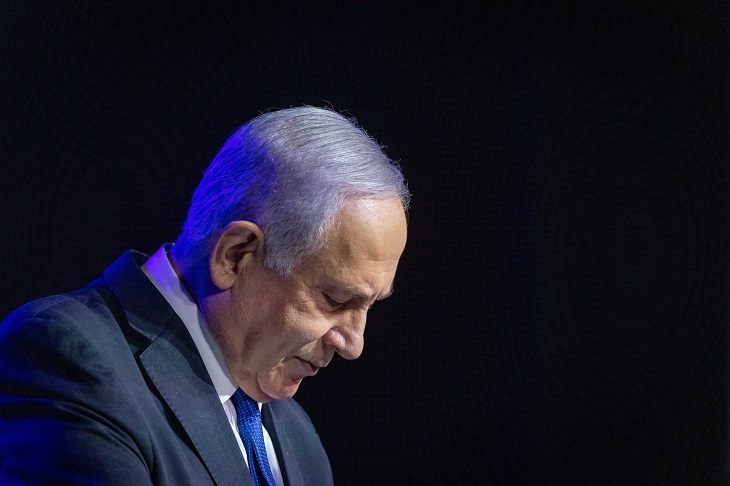
Ever since the return of Benjamin Netanyahu at the head of the most right-wing coalition ever seen in Israeli history, politics here has felt like a steaming, bubbling pot with the heat being gradually ratcheted up beneath it, fanned by extremist posturing and sometimes even outright racist language.
Then came the legislation. The inflammatory proposals contained in the Prime Minister’s contentious judicial overhaul bill boiled over, after weeks of demonstrations, into incendiary action on Sunday. Waves of angry protestors roiled through the streets, while a massive general strike brought most of Israel grinding to a halt.
Demonstrations against the government’s package of legislation are not new here, they have been rippling for months. But the catalyst for this unprecedented upsurge came when Netanyahu fired Defense Minister Yoav Gallant, in apparent retaliation against his simple call for a pause to the controversial plans. The spontaneous, angry, fiery marches that ensued, coupled with striking workers, felt totally different from what had come before.

The breadth of the strikes we saw here on Monday is difficult to overstate; barely an aspect of life in Israel was left untouched. From the airport and major ports to universities, shops, and even McDonald’s, workers stood down. The walkout was not just confined to Israel, either – staff at Israeli embassies around the world also went on strike at the instruction of the Histadrut labor union.
The demonstrations were not solely the preserve of opponents to the bill; on Monday, for the first time, Netanyahu’s supporters also took to the streets to rally in favor of the legislation. They were clearly expressing pent-up frustrations and anger that their voices weren’t being heard, even hassling some of the journalists covering the protests on the ground. But while their turnout was impressive, the evidence suggests that they are in the minority, despite their candidates winning a majority in last November’s election.
Recent polling from the Israel Democracy Institute indicates that a sizeable majority of Israelis simply do not want the reforms to the judiciary that the government is pushing, at least in the form in which they have been written.
Finally, as the light faded and the protests threatened to escalate out of control as mobs of young men affiliated with fringe right-wing groups began roaming the streets, Netanyahu addressed the nation, announcing a delay to proceedings.
It was a classic ‘Bibi’ moment, the Prime Minister invoking King Solomon, seeming to characterize himself as the King, needing to rule over two women fighting over a precious child. He was “aware of the tensions”, and was “listening to the people”, he said. The second and third votes on the remaining legislation would be delayed until the Knesset returned from its Passover recess in April to allow “real debate”, he continued; but the embattled Prime Minister stopped well short of backing down, insisting that the overhaul remained necessary.
In amongst all of this came another factor that will surely alarm moderate Israelis. Earlier in the day, the far-right Jewish Power party, upon which Netanyahu’s coalition is delicately balanced, revealed that the deal to delay the legislation would involve the creation of a new so-called ‘National Guard’ under the control of its hugely controversial leader, Itamar Ben Gvir.
Once convicted for inciting racism and supporting terrorism, Ben Gvir’s criminal record makes him an eyebrow-raising choice for such a role, the scope of which is completely undefined. Former Prime Minister Ehud Barak told my CNN colleague Becky Anderson that the move was a “lunatic step”.
The question now is where this crisis goes from here. Barak is among many Israelis who believe anything less than a reversal of the proposals will not be enough to end the protests. Certainly, the impression on the streets is that the unrest is far from over. Opposition leader Yair Lapid has called for the drawing up of a written constitution to plug the now gaping hole in the political system that the new legislation might expose still further. But with a pause of barely a month before the next parliamentary session, when the bills are to be debated once more, there is little time to execute such a proposal, let alone the political will – not to mention pressure from right-wingers perhaps sensing it is now or never.
Meanwhile, through all of this, the man at the center of the drama continues to dominate the discourse. There is no questioning Benjamin Netanyahu’s resourcefulness as a politician, his longevity and talent for improbable comebacks attest to that. Even though this latest of so many controversies, his popularity among his supporters appears undiminished. But the company he is keeping in his coalition is dragging the government to increasingly unpalatable extremes for many Israelis, as well as the country’s longstanding allies, while the perception that he himself is focused more on securing his own future than that of Israel continues to nag.
The fact that Israel went through five elections in the space of four years tells you all you need to know about the divided nature of politics here. Make no mistake, this new drama is a major crisis for this young country, the likes of which no one has seen before. The question now is whether the fractures this last few months have revealed can be healed, or whether they are symptomatic of a deeper, perhaps even inoperable malaise.
By Hadas Gold, Jerusalem Correspondent, CNN.

About Soko Directory Team
Soko Directory is a Financial and Markets digital portal that tracks brands, listed firms on the NSE, SMEs and trend setters in the markets eco-system.Find us on Facebook: facebook.com/SokoDirectory and on Twitter: twitter.com/SokoDirectory

- January 2026 (220)
- February 2026 (248)
- March 2026 (287)
- April 2026 (208)
- May 2026 (191)
- June 2026 (238)
- July 2026 (279)
- August 2026 (114)
- January 2025 (119)
- February 2025 (191)
- March 2025 (212)
- April 2025 (193)
- May 2025 (161)
- June 2025 (157)
- July 2025 (227)
- August 2025 (211)
- September 2025 (267)
- October 2025 (297)
- November 2025 (230)
- December 2025 (220)
- January 2024 (238)
- February 2024 (227)
- March 2024 (190)
- April 2024 (133)
- May 2024 (157)
- June 2024 (145)
- July 2024 (136)
- August 2024 (154)
- September 2024 (212)
- October 2024 (255)
- November 2024 (196)
- December 2024 (143)
- January 2023 (182)
- February 2023 (203)
- March 2023 (322)
- April 2023 (297)
- May 2023 (267)
- June 2023 (214)
- July 2023 (212)
- August 2023 (257)
- September 2023 (237)
- October 2023 (264)
- November 2023 (286)
- December 2023 (177)
- January 2022 (293)
- February 2022 (329)
- March 2022 (358)
- April 2022 (292)
- May 2022 (271)
- June 2022 (232)
- July 2022 (278)
- August 2022 (253)
- September 2022 (246)
- October 2022 (196)
- November 2022 (232)
- December 2022 (167)
- January 2021 (182)
- February 2021 (227)
- March 2021 (325)
- April 2021 (259)
- May 2021 (285)
- June 2021 (272)
- July 2021 (277)
- August 2021 (232)
- September 2021 (271)
- October 2021 (304)
- November 2021 (364)
- December 2021 (249)
- January 2020 (272)
- February 2020 (310)
- March 2020 (390)
- April 2020 (321)
- May 2020 (335)
- June 2020 (327)
- July 2020 (333)
- August 2020 (276)
- September 2020 (214)
- October 2020 (233)
- November 2020 (242)
- December 2020 (187)
- January 2019 (251)
- February 2019 (215)
- March 2019 (283)
- April 2019 (254)
- May 2019 (269)
- June 2019 (249)
- July 2019 (335)
- August 2019 (292)
- September 2019 (306)
- October 2019 (313)
- November 2019 (362)
- December 2019 (318)
- January 2018 (291)
- February 2018 (213)
- March 2018 (275)
- April 2018 (223)
- May 2018 (235)
- June 2018 (176)
- July 2018 (256)
- August 2018 (247)
- September 2018 (255)
- October 2018 (282)
- November 2018 (282)
- December 2018 (184)
- January 2017 (183)
- February 2017 (194)
- March 2017 (207)
- April 2017 (104)
- May 2017 (169)
- June 2017 (205)
- July 2017 (189)
- August 2017 (195)
- September 2017 (186)
- October 2017 (235)
- November 2017 (253)
- December 2017 (266)
- January 2016 (164)
- February 2016 (165)
- March 2016 (189)
- April 2016 (143)
- May 2016 (245)
- June 2016 (182)
- July 2016 (271)
- August 2016 (247)
- September 2016 (233)
- October 2016 (191)
- November 2016 (243)
- December 2016 (153)
- January 2015 (1)
- February 2015 (4)
- March 2015 (164)
- April 2015 (107)
- May 2015 (116)
- June 2015 (119)
- July 2015 (145)
- August 2015 (157)
- September 2015 (186)
- October 2015 (169)
- November 2015 (173)
- December 2015 (205)
- March 2014 (2)
- March 2013 (10)
- June 2013 (1)
- March 2012 (7)
- April 2012 (15)
- May 2012 (1)
- July 2012 (1)
- August 2012 (4)
- October 2012 (2)
- November 2012 (2)
- December 2012 (1)