World Bank Flags Multiple Taxes, Bribery As Key Challenges Facing Kenyan Firms
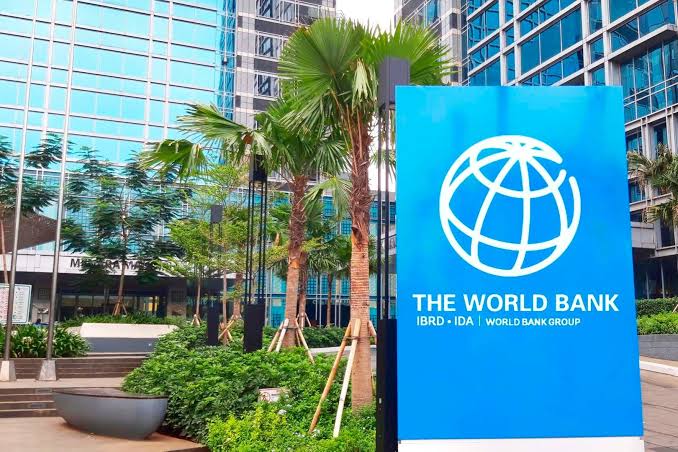
The World Bank says Kenya’s private sector is being squeezed by heavy taxes, bribery, red tape and rising operating costs, all of which are making it harder for companies to invest.
The findings come from the lender’s Private Sector Diagnostic report, released on Thursday, October 1. It says firms must deal with a patchwork of national and county levies, tax rules that keep changing, and a nagging sense that some businesses are treated more favourably than others.
“While corporate income tax rates are broadly aligned with regional peers, investors face multiple national and county-level levies, frequent tax changes, cumbersome administration, and perceptions of unequal treatment,” the Bank noted.

Corruption features prominently. About a third of the companies surveyed said they had been asked for a bribe, and Kenya sits in the bottom third of Transparency International’s rankings. The Bretton Woods institution said weak governance continues to erode investor confidence.
Getting licences and permits is another headache. In the World Bank’s 2025 Enterprise Survey, 25.3 per cent of firms named them a major obstacle to doing business in the country.
Infrastructure is a mixed picture. Kenya has made gains with new expressways, modernised ports and the development of Lamu Port, but the report says businesses still battle expensive and unreliable utilities.
Electricity is a case in point: firms pay roughly Ksh33.74 per kilowatt-hour, and three in four report frequent blackouts. Water is no better. Over 37 per cent of companies said their supply was inadequate, against 17.2 per cent among lower-middle-income countries.
Land is a further sore point. Murky ownership and outdated records push up costs and put off investors, especially in sectors that need large tracts of land.
Finally, credit is getting harder to come by. With the government borrowing heavily, less money is left for private firms, and lending to the private sector has dropped from 36.7 per cent of GDP in 2015 to 29.1 per cent in 2024.