
Why Transactional Democracy Is Killing Kenya – and Why President Ruto’s Politics Has Become the Sharpest Threat to the People’s Sovereign Power
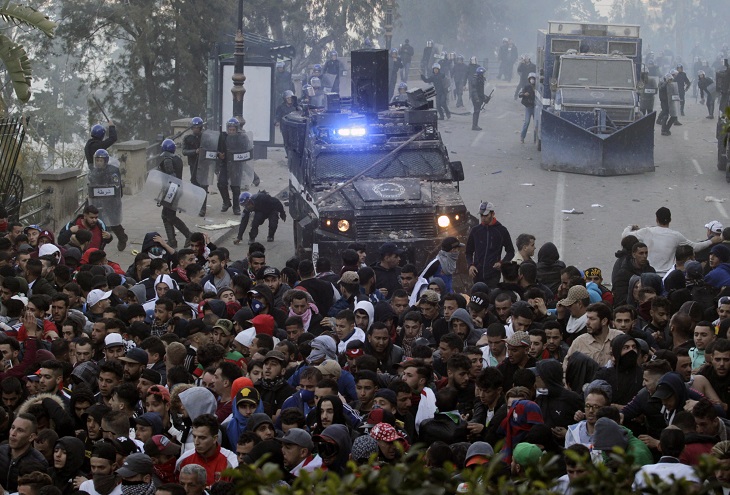
Kenya’s democratic crisis is no longer just about elections. It is about what happens after elections, when the vote is counted, power is handed over, promises are forgotten, citizens are overtaxed, Parliament bends, opposition is absorbed, dissent is punished, and public institutions begin to behave like private instruments of survival for those in power. That is the real meaning of transactional democracy. It is the reduction of a republic into a deal-making machine where loyalty is bought, silence is rewarded, accountability is negotiated away, and the ordinary citizen is left carrying the cost of political bargains made in boardrooms, hotel meetings, rallies, and State House handshakes.
Transactional democracy is killing Kenya because it empties democracy of its moral purpose. In a true democracy, power flows from the people, leaders serve the public, Parliament checks the Executive, police protect citizens, public money is used for public good, and elections create accountability. In a transactional democracy, all those principles are reversed. Power flows upward to the political elite. Leaders rule instead of serving. Parliament bargains instead of overseeing. Police intimidate instead of protecting. Public money oils political networks instead of fixing public pain. Elections become a ritual for renewing elite contracts, not a mechanism for changing the lives of the people.
This is why the presidency of William Ruto has become, to many Kenyans, the clearest symbol of the democratic betrayal now facing the country. The criticism is not merely personal. It is institutional, economic, constitutional, and moral. President Ruto came to power through the language of the hustler, the poor, the mama mboga, the boda boda rider, the youth, and the struggling taxpayer. But the lived experience of many Kenyans under his administration has been heavier taxation, deeper public anger, shrinking trust, repeated protests, violent policing, and a growing sense that the country is being governed through transactions rather than consent.

The Constitution of Kenya is very clear. All sovereign power belongs to the people of Kenya and is exercised only in accordance with the Constitution. Kenya is a multi-party democratic state founded on the national values of the rule of law, democracy, participation of the people, human dignity, equity, social justice, integrity, transparency, and accountability. Leadership is not ownership. Authority assigned to a State officer is a public trust to be exercised in a manner that demonstrates respect for the people and promotes public confidence in the integrity of the office. In plain language, the presidency is not a throne. Parliament is not a marketplace. Public office is not a private investment.
That is where transactional democracy becomes dangerous. It attacks the Constitution without necessarily announcing itself as a coup. It does not always arrive with tanks on the streets. Sometimes it arrives through political deals that neutralize opposition, through budget lines that punish citizens, through appointments that reward loyalty, through intimidation of critics, through police brutality against protesters, through public relations language that calls elite accommodation national unity, and through economic policies that ask the poor to sacrifice while the political class protects its privileges.
The Broad-Based Bargain and the Death of Opposition
The broad-based government is presented by President Ruto and his allies as a national unity project. The official argument is that Kenya benefits more from unity than from division, and that a wider political arrangement can unlock the country’s potential. On paper, dialogue across political divides can be useful. Kenya is a fragile country with ethnic memory, economic pressure, and institutional weaknesses. Responsible cooperation is not automatically wrong. But cooperation becomes dangerous when it converts the opposition from a watchdog into a stakeholder in the same system it was supposed to interrogate.
When the largest political actors enter arrangements that blur the line between government and opposition, the citizen loses a crucial democratic shield. The country may gain political calm at the top, but it risks democratic silence below. The people may still vote, but their vote becomes weaker because the alternatives they voted for can later be folded into the Executive’s survival architecture. This is the central tragedy of Kenya’s transactional politics: the voter chooses a side, then the elite negotiate the meaning of that choice after the election.
That is why many young Kenyans look at the broad-based arrangement with suspicion. They do not see unity. They see elite insurance. They see the political class protecting itself after the Gen Z revolt exposed the anger beneath Kenya’s polished political language. They see a government that was shaken by public resistance, then turned to elite accommodation as a stabilizer. They see the old Kenya surviving by absorbing those who should have held it accountable.
Democracy cannot breathe where opposition is converted into a transaction. A republic needs serious opposition, not because opposition is always right, but because unchecked power is always dangerous. Oversight is not noise. Protest is not treason. Criticism is not sabotage. A government that fears scrutiny is already confessing that it does not trust its own legitimacy.